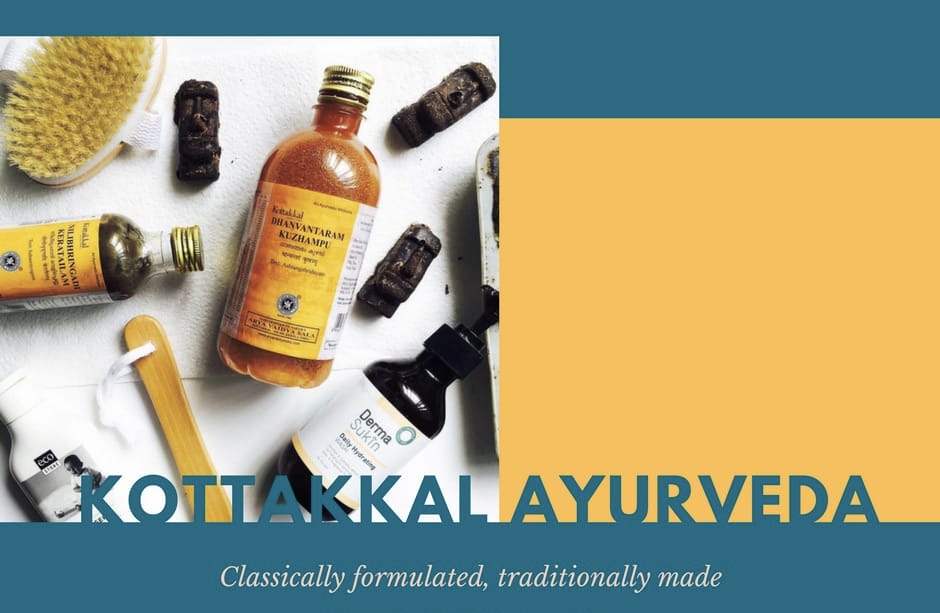
The Power of Ayurvedic Herbs for Men’s Sexual Health: A Comprehensive Guide

Sexual health is a crucial aspect of overall wellbeing, and it is especially important for men. Along with physical and emotional factors, there are a plethora of biological factors that impact men’s sexual health. Fortunately, Ayurveda offers a holistic and natural approach to revitalize and maintain men’s sexual health. Ayurvedic herbs are packed with essential nutrients, vitamins, and minerals that nourish and improve sexual function. In this article, we will discuss some of the most effective Ayurvedic herbs that can help enhance your sexual health.

  1. Ashwagandha – Ashwagandha is a powerful adaptogen that has been used for centuries in Ayurvedic medicine to revitalize both mind and body. It is known for its aphrodisiac properties, which can increase testosterone levels and improve sperm quality. Ashwagandha also has a calming effect on the mind, reducing stress and anxiety, which are known causes of sexual dysfunction.
  2. Shilajit – Shilajit is a mineral pitch that is known to stimulate testosterone production and enhance libido. It is also rich in fulvic acid, which helps the body absorb essential nutrients and minerals, further improving sexual function. Shilajit has also been shown to have a positive effect on overall stamina and endurance, which can help improve sexual performance in men.
  3. Gokshura – Gokshura is a powerful herb that is often used in Ayurvedic medicine to improve male sexual health. It contains a compound called protodioscin, which can help increase testosterone production and improve sperm count and quality. Gokshura can also help improve circulation and reduce inflammation in the body, which can improve overall sexual function.
  4. Safed Musli – Safed Musli is a potent herb that is popular in Ayurvedic medicine for its aphrodisiac properties. It contains several compounds that can help increase testosterone production and improve sexual function. Safed Musli is also known for its antioxidant properties, which can protect cells from oxidative stress and improve overall health.
  5. Vidari Kand – Vidari Kand is an Ayurvedic herb that is used to stimulate sexual desire and improve sexual function in men. It is also rich in vitamins and minerals that can help improve overall health. Vidari Kand has been shown to have a positive effect on testosterone production, sperm quality, and overall sexual function.

Ayurvedic herbs have been used for centuries to improve sexual health in men. In addition to reducing stress and anxiety, Ayurvedic herbs can help increase testosterone production, improve sperm quality, and enhance libido. The five herbs discussed in this article – Ashwagandha, Shilajit, Gokshura, Safed Musli, and Vidari Kand – are all known for their powerful aphrodisiac properties and can work synergistically to revitalize and enhance your sexual health. Always consult a doctor or other qualified healthcare professional before taking any Ayurvedic herbs.

Make an appointment with me today or sign up for my online course.

Enhancing Men’s Sexual Health through Emotional Wellness using Ayurveda

In today’s fast-paced world, it’s challenging to maintain a balance between work, relationships, and personal life while at the same time, dealing with emotional and psychological wellbeing. Emotional wellness has a profound impact on the body and mind; therefore, if there’s an issue with emotional health, it will reflect in primary areas like sexual health. Erectile dysfunction, premature ejaculation, and low libido are among the common sexual health conditions men face. Many modern treatments focus solely on physical symptoms; however, Ayurveda treatments are based on holistic principles, addressing both physical and psychological factors. Ayurveda is a traditional Indian system of healing and focuses on balancing the body from within.

  1. Stress reduction techniques

Stress is one of the significant factors that contribute to erectile dysfunction, low libido, and premature ejaculation in men. Chronic stress leads to cortisol hormone secretion, which can damage the nerves that control the sexual function. Ayurveda suggests techniques like yoga, pranayama, meditation, and deep breathing exercises to manage stress and improve overall wellbeing. These ancient practices help soothe the mind, relax the body, and improve blood circulation, which is key to sexual performance.

  1. Ayurvedic herbal remedies

Ayurveda has a vast range of herbs that can support emotional wellness and improve men’s sexual health. Ashwagandha is an example of one such herb and is known for its effectiveness in enhancing libido, energy, and mood. Also, Shilajit is another herb that is extremely beneficial in increasing testosterone levels, which results in improved sexual health and virility.

  1. Ayurvedic massages

Ayurvedic massages work by stimulating vital energy points in the body, helping to release blockages and improve blood flow. Massage therapy is known to promote deep relaxation, relieve stress and anxiety while increasing energy levels. Choose an Ayurvedic masseur who can tailor the massage to your individual needs.

  1. Ayurvedic diet

Ayurveda also recommends following a healthy diet to support overall wellbeing, including men’s sexual health. A well-balanced diet includes nutritious and nourishing meals, comprising whole foods like fruits, vegetables, lean proteins, and healthy fats. Foods like ginger, garlic, turmeric, and cumin have been traditionally used by Ayurvedic practitioners to boost sexual health and energy levels.

  1. Ayurvedic Lifestyle changes

Ayurveda emphasizes lifestyle changes to improve quality of life. Some of the Ayurvedic principles focus on simple changes, such as going to bed early, making time for relaxation, reducing the intake of alcohol and tobacco use, and engaging in physical activities regularly. Adopting Ayurvedic guidelines for lifestyle practices can significantly improve emotional wellbeing, reduce stress levels, and benefit men’s sexual health.

Emotional wellness plays an essential role in men’s sexual health. Ayurveda provides effective remedies that promote holistic wellbeing, including emotionally and psychologically. Incorporating Ayurvedic techniques such as stress reduction techniques, herbal remedies, massage therapy, following a healthy Ayurvedic diet, and making lifestyle changes, can lead to a more fulfilling and satisfying life. By making an appointment with me and following these Ayurvedic treatments, men can take control of their emotional and sexual wellbeing, leading to a happier and healthier life.

Discovering the Ayurvedic Approach to Men’s Sexual Health through Panchakarma

In today’s fast-paced world, men’s sexual health often takes a back seat to other priorities. However, Ignoring sexual health can lead to various physical and psychological issues in men. In Ayurveda, an ancient Indian medicine system, the approach to sexuality is holistic and comprehensive. Ayurveda recognizes that the physical, psychological, and spiritual dimensions of sexual health are interconnected and that balance is essential for good health. One of the most effective ways to restore balance is through panchakarma, a powerful Ayurvedic detoxification and rejuvenation therapy.

Ayurveda views sexuality as a vital part of a man’s overall well-being. According to Ayurveda, sexual energy is a highly potent source of vitality and creativity. Sexual vitality incorporates physical, emotional, psychological, and spiritual dimensions, and any discord or imbalance in any of these areas results in dysfunctional sexual health. Ayurveda identifies three stages of sexual functionality in men, including arousal, ejaculation, and satisfaction. Altered hormonal levels, anxiety, poor diet, stress, and lifestyle factors can lead to dysfunction in any of these stages. Ayurveda deals with these issues through a comprehensive approach, encompassing a balanced diet, rejuvenation therapies, and medicinal plants.

The Ayurvedic approach to sexual dysfunction involves balancing the doshas, namely Vata, Pitta, and Kapha, to restore equilibrium. The root cause of the sexual dysfunction is analyzed by examining the doshas’ levels and energy flow in the body. Once the underlying reason is identified, the Ayurvedic practitioner may suggest that the individual undergoes specific Panchakarma treatments. Panchakarma is a unique detoxification process that removes toxins from the body and strengthens the digestive fire and metabolic balance. The therapy involves five procedures, including Virechana (purgation), Vamana (vomiting), Basti (enema), Nasya (nasal administration of medicine), and Raktamokshana (bloodletting).

Among these procedures, the Basti is one of the most effective ways to remove toxins from the body and enhance bodily functions. The Basti procedure involves the administration of natural oils and herbs directly into the rectum, which removes toxins and pathogens from the body. Basti treatments can help to address specific sexual health issues such as premature ejaculation and erectile dysfunction. The procedure is considered a key Panchakarma therapy that has superior long-term benefits in boosting sexual health and vitality.

The benefits of Panchakarma for men’s sexual health are many. Panchakarma helps to balance hormones and removes the toxins that cause sexual dysfunction. It also eliminates stress and anxiety, which can significantly affect sexual health. Additionally, Panchakarma can improve mood, leading to better sexual performance and satisfaction and a more fulfilling sex life. The treatment is non-invasive, and the herbs and oils used during the treatment are natural and safe, making it a healthy and effective solution for enhancing sexual health.

Ayurvedic approach to men’s sexual health is a comprehensive and holistic one that aims to restore the balance in physical, psychological, and spiritual dimensions. Ayurveda’s Panchakarma therapy is an effective way to help men enhance their sexual vitality. The therapy uses a combination of natural herbs, oils, and techniques to remove toxins from the body, boost the metabolism and digestive fire, balance hormones, reduce stress and anxiety, and improve sexual function. These benefits make Panchakarma an excellent option for any man who wants to enhance his sexual health and experience a more fulfilling life. If you’re struggling with sexual dysfunction or simply want to improve your sexual health, consider Panchakarma and make an appointment with me today!

Here is access to my Men’s Sexual Health Course! It is super affordable!

Understanding Ayurveda and Its Role in Treating PCOS

Polycystic Ovary Syndrome, also known as PCOS, is a common hormonal disorder amongst women of reproductive age. It is caused by hormonal imbalances that lead to the formation of ovarian cysts and a range of symptoms such as irregular periods, mood swings, weight gain, and acne. While PCOS has no cure, there are many holistic approaches, including Ayurveda, that offer relief and help regulate symptoms.

Ayurveda, meaning “the science of life,” is a traditional healing system originating in ancient India. It has been in practice for over 5,000 years and focuses on healing the body, mind, and spirit. Ayurvedic medicine is based on the principle that our bodies are made up of three doshas- Vata, Pitta, and Kapha – and that maintaining a balance between these doshas leads to good health. In this article, we will explore how Ayurveda plays a role in treating PCOS and offers a holistic solution to alleviate symptoms.

According to Ayurveda, PCOS is caused by an excess of Kapha dosha, leading to an imbalance in the reproductive system. Ayurvedic medicine recommends treating PCOS by balancing this Kapha dosha and focusing on healthy digestion, detoxification, and lifestyle changes. Here are the different ways Ayurveda can help alleviate PCOS symptoms:

  1. Diet modification:
    A wholesome diet is a crucial aspect of managing PCOS. According to Ayurveda, consuming a balanced diet rich in whole grains, fruits and vegetables, and lean proteins such as chicken and fish is essential. Foods that are high in refined sugar and carbohydrates, such as white bread, pasta, and pastries, can increase insulin levels and exacerbate PCOS symptoms. Additionally, bone broth, turmeric, and cinnamon can help with inflammation and insulin resistance.
  2. Herbal Remedies:
    Herbs play a significant role in Ayurveda. Some Ayurvedic remedies for PCOS include Shatavari, Ashwagandha, and Triphala. These herbs can help regulate hormonal balance and reduce stress, which can further lead to mood swings and weight gain.
  3. Yoga and Exercise:
    Regular exercise promotes a healthy metabolism and can help maintain hormonal balance. Ayurvedic medicine suggests incorporating yoga, walking, or swimming into your daily routine to help reduce stress, improve digestion, and reduce the likelihood of cyst formation.
  4. Stress Management:
    Ayurvedic treatment highlights the importance of stress management in the prevention and management of PCOS. Simple breathing exercises or pranayama can help reduce anxiety, improve digestion, and regulate periods. Practices like meditation, aromatherapy, and mindfulness can also help reduce stress and promote overall wellness.

Ayurveda offers a holistic approach to reducing symptoms of PCOS by treating imbalances in the body. A balanced lifestyle, including a healthy diet, regular exercise, stress management, and herbal remedies, can lead to a healthy hormonal balance leading to a well-managed PCOS. While Ayurveda offers a promising approach to managing PCOS, it’s essential to consult a qualified Ayurvedic practitioner before embarking on any treatment plan. Ayurvedic medicine emphasizes individual treatment plans, so what works for one person might not work for another. Embark on the journey towards optimal health and healing with the power of Ayurveda.

Make an appointment with me today or sign up for my online course!

Ayurveda: An Ancient Approach to Men’s Sexual Health

Men’s sexual health is a topic that is often ignored or misunderstood, yet it is crucial for overall well-being. Ayurveda, an ancient Indian healing system, offers holistic approaches to men’s sexual health. It emphasizes the interconnectedness of physical, mental, and spiritual health, making it a perfect fit for addressing the complexities of male sexual health.

  1. Dietary changes

Ayurveda recommends a balanced diet that includes fresh, organic foods and spices that help to purify the body and rejuvenate the mind. Some examples of herbs and spices that aid in male sexual health include ashwagandha, shatavari, and gokshura. Ashwagandha, in particular, has been shown to reduce stress and improve testosterone levels, while shatavari can boost libido and sexual function. Gokshura is known for its ability to support prostate health and increase testosterone levels.

  1. Exercise and yoga

Exercise and yoga are essential for maintaining optimal health. Ayurveda recommends physical activity that is gentle, yet revitalizing. Yoga, in particular, has been shown to improve sexual function, increase testosterone levels, and reduce stress. Practicing yoga postures like Vajrasana, Uttanpadasana, and Paschimottanasana can help improve blood flow to the pelvic region, strengthen the lower back muscles, and improve overall sexual function.

  1. Massage and aromatherapy

Ayurveda uses massage and aromatherapy to balance the body, soothe the mind, and promote overall health. Massaging the body with warm herbal oils can improve blood circulation, relax the muscles, and improve sexual function. Aromatherapy using essential oils like sandalwood, jasmine, and lavender can help reduce stress, promote relaxation, and improve sexual function.

  1. Stress reduction

Stress is a common factor that affects sexual health in men. Ayurveda recognizes that stress can have a detrimental effect on overall health, including sexual function. Simple techniques like meditation, deep breathing, or spending time in nature can help reduce stress levels and promote overall well-being. Reducing stress can also help to improve erectile dysfunction and premature ejaculation.

  1. Herbs and supplements

Ayurveda uses a wide range of herbs and supplements to promote sexual health in men. Some of the most widely used ingredients include ashwagandha, shilajit, and tribulus terrestris. Ashwagandha is known for its ability to reduce stress, improve testosterone levels, and boost libido, while shilajit can enhance sexual stamina and performance. Tribulus terrestris is used to increase testosterone levels and improve sexual function.

Ayurveda offers a unique and holistic approach to men’s sexual health, addressing both physical and mental factors that affect overall well-being. Through dietary changes, exercise, massage, aromatherapy, stress reduction techniques, and herbs and supplements, Ayurveda can help men improve sexual function, enhance sexual vitality, and promote overall health and well-being. Incorporating these simple yet powerful tools into your life can help you achieve optimal sexual health and a healthier, more fulfilling life.

Make an appointment with me or sign up for my online course today!

Uncovering the Journey of Ashtanga Hridayam

Ashtanga Hridayam, a well-known ancient Indian text on Ayurveda, has been widely used and recommended even today. The text is said to be written in the 6th century AD, by an Indian sage named Vagbhata. Ashtanga Hridayam consists of 120 chapters and is one of the major texts of Ayurveda. Ayurveda, which translates as ‘the science of life,’ is an ancient Indian system of traditional medicine. It is based on the belief that health and wellness depend on its balance, which is maintained by treating the root cause rather than just treating the symptoms.

As we journey through the text, we’ll discover the key principles and concepts that make Ashtanga Hridayam so highly regarded. We’ll also explore its relevance and how it can benefit our modern-day lives.

Ashtanga Hridayam covers a wide range of topics, including diet, lifestyle practices, medicinal herbs, philosophy, and yoga. The text is written in Sanskrit, but it has been translated into various languages and is now gaining worldwide recognition for its insightful teachings and practical applications.

One of the unique features of Ashtanga Hridayam is its concise and straightforward language. Vagbhata, the author, made sure that the text was accessible to everyone, not just scholars or experts. He wrote it in a way that anyone could understand, which has made it a popular choice for people new to Ayurveda.

The book is divided into six sections, and each section addresses different aspects of Ayurveda. The first section, Sutrasthana, covers fundamental concepts such as the three doshas (vata, pitta, and kapha), the six tastes, and the seven tissues. These concepts are fundamental to Ayurveda and help us understand the body’s natural constitution and how it affects our overall well-being.

The second section, Nidanasthana, covers the diagnosis of diseases. Ayurveda believes that the root cause of disease lies in the imbalance of the doshas, which, if not treated properly, can lead to a host of health problems. This section teaches us how to identify and diagnose diseases and comes with a list of herbs and remedies to treat them.

The third section, Vimananasthana, deals with the management of diseases. It provides guidelines for creating a healthy lifestyle and diet to ensure the proper balance and harmony of the doshas in the body. This section is essential to maintain a healthy life, and it clearly lays out the steps needed to achieve it.

The fourth section, Sharirasthana, covers the anatomy and physiology of the human body. It offers detailed information on the organs and systems of the body and how they function. This section is vital for anyone who is interested in understanding their body and how they can take care of it.

The fifth section, Indriyasthana, deals with the sense organs and offers guidelines on how to care for them. Ayurveda believes that the sense organs are the gateway to the mind and soul and must be protected and nourished. This section teaches us how to take care of our senses, avoid harmful practices, and maintain overall sensory health.

The final section, Chikitsasthana, deals with the treatment of diseases. It focuses on using herbal medicines, diet, yoga, and other natural or holistic treatments to restore balance and harmony in the body.

Ashtanga Hridayam is a valuable text that offers a comprehensive and holistic approach to health and wellness. Its teachings are still relevant today, and its principles can be applied to modern-day life. Whether you are new to Ayurveda or have been practicing it for many years, Ashtanga Hridayam has something to offer everyone. By embracing its teachings and incorporating them into our daily lives, we can experience a state of balance and harmony that leads to a healthier and happier life.

Ayurveda: Understanding the Interconnectedness of Health

Ayurveda, the ancient Indian system of medicine, has stood the test of time and has remained relevant even in today’s modern world. This holistic approach to health recognizes the interconnectedness of the individual with their environment, with nature, community and cosmos. According to Ayurveda, for optimal health, the mind, body, and spirit must be in harmony, and a sense of purpose, nourishing social interactions, and a meaningful connection to one’s spiritual Self are integral for health. In this blog post, we will explore how Ayurveda views health in relation to the interconnectedness of the individual with their surroundings, and how we can use this understanding to lead a healthier life.

Ayurveda stresses the importance of living in harmony with nature, recognizing that we are part of the natural world, and that we are influenced by the rhythms of nature. According to Ayurveda, everything in the universe is made up of five elements – earth, water, fire, air, and ether – and these elements combine to create three doshas or body types – Vata, Pitta, and Kapha. Each dosha has its own unique characteristics, and people can have a combination of two or all three doshas. Ayurveda believes that understanding your individual dosha is key to achieving and maintaining optimal health.

Ayurveda also recognizes the importance of community. A nourishing social environment is essential for good health. Being part of a community gives us a sense of belonging and purpose, which is important for our mental and emotional wellbeing. The way we interact with others affects our health, and Ayurveda emphasizes the importance of positive relationships. Negative emotions, such as anger, jealousy, and resentment, can cause imbalances in the body, leading to illness. Therefore, developing positive relationships is crucial for good health.

Moreover, Ayurveda emphasizes the importance of spirituality. According to Ayurveda, our spiritual self is essential to our physical and mental wellbeing. We all have an inner wisdom, which is our spiritual Self, and connecting with this wisdom can lead to a deeper sense of purpose and meaning in life. Ayurveda believes that when we are disconnected from this inner wisdom, we become more susceptible to illness. Therefore, Ayurveda recommends spiritual practices, such as meditation, prayer, and yoga, to connect with our spiritual Self.

In addition, Ayurveda recognizes that our diet and lifestyle play a crucial role in our health. Ayurvedic principles emphasize the importance of eating a balanced diet, according to our dosha and the season. Ayurveda also stresses the importance of a consistent daily routine, adequate sleep, and exercise, to maintain balance in the body and mind. According to Ayurveda, when we live in balance with nature, we can achieve optimal health.

Ayurveda’s holistic approach to health emphasizes the interconnectedness of the individual with their environment, with nature, community, and cosmos. Ayurveda recognizes that to achieve optimal health, the mind, body, and spirit must be in harmony. By understanding our individual dosha, living in harmony with nature, developing positive relationships, connecting with our spiritual Self, and adopting a healthy diet and lifestyle, we can achieve and maintain balance and optimal health. Incorporating Ayurvedic principles into our lives can help us lead happier, healthier, and more fulfilling lives.

Make an appointment with me or sign up for my online course today!

Unlocking Joy, Health, and Wealth with Ayurveda – The World’s Oldest Medical System

Modern life is fast-paced, demanding, and often leaves us feeling stressed, disconnected, and unwell. While we may turn to modern medicine to treat acute conditions, we often struggle to find long-term solutions to chronic health problems, emotional well-being, and spiritual fulfillment. Enter Ayurveda, the world’s longest continuously practiced medical system. Ayurveda is not just a medical system but a way of life that offers a holistic approach to well-being and spiritual evolution.

  1. Health is maintained when the three doshas are in equilibrium.
    In Ayurveda, the human body is composed of three doshas or mind-body energies – Vata, Pitta, and Kapha – which represent different combinations of the five elements – Ether, Air, Fire, Water, and Earth. When these doshas are in balance, the body is healthy, and when they are out of balance, the body becomes susceptible to illness. Ayurvedic practitioners use various methods to identify imbalances in the doshas, such as pulse diagnosis, and then use natural remedies like herbs, diet, and lifestyle changes to bring them back into balance.
  2. The digestive fire, Agni, must function optimally for good health.
    According to Ayurveda, the proper functioning of the digestive system is critical to overall health and well-being. The digestive fire or Agni is responsible for breaking down food into its constituent parts and assimilating the nutrients while eliminating waste products. A balanced Agni leads to metabolic health, good energy levels, and overall vitality. Ayurvedic teachings advocate eating a diet that is suited to one’s constitution and digestive capacity and avoiding incompatible food combinations, such as mixing milk and fruit.
  3. The seven tissues of the body should be in balance.
    The human body is composed of seven tissues or dhatus – Rasa, Rakta, Mamsa, Meda, Asthi, Majja, and Shukra – each with a unique function. A balanced and nourished state of these tissues is essential for overall health. In Ayurveda, the tissues are nourished through a balanced diet, adequate rest, and regular exercise. Imbalances in the tissues can lead to chronic health conditions.
  4. The body’s waste products should be eliminated correctly.
    Proper elimination of waste products, such as urine, feces, and sweat, is essential for preventing the accumulation of toxins or Ama in the body. Ayurveda advocates following natural urges and maintaining a regular bowel movement. It also recommends practices like tongue scraping and oil pulling to remove toxins from the mouth.
  5. Mental and emotional well-being are fundamental aspects of Ayurveda.
    Ayurveda recognizes the importance of mental and emotional well-being in maintaining overall health. Ayurvedic teachings emphasize the importance of cultivating a calm and content mind, balanced senses, and a harmonious connection with the soul. Practices like meditation, pranayama, yoga, and massage can help achieve this.

Ayurveda offers a practical and holistic approach to achieving joy, health, and wealth. By living in harmony with the natural world and following Ayurvedic teachings, we can maintain physical, mental, emotional, and spiritual well-being. Ayurveda’s focus on prevention, natural remedies, and individualized care makes it an attractive alternative to modern medicine and a way of life that can lead to a more fulfilling and meaningful existence.

Make an appointment with me or sign up for my affordable online course!

Ayurveda and PCOS: A Natural Approach to Heal the Body

Polycystic Ovary Syndrome (PCOS) is a hormonal disorder that affects millions of women worldwide. It is caused by an imbalance of the hormones which leads to irregular periods, excessive hair growth, acne, and weight gain. PCOS not only affects the reproductive system but can also lead to other health issues like diabetes, heart disease, and infertility. Ayurveda, an ancient form of medicine, can help alleviate the symptoms of PCOS and offer a natural approach to heal the body. Let’s explore how Ayurveda can help women with PCOS live a healthier and happier life.

  1. Understanding PCOS from an Ayurvedic Perspective

According to Ayurveda, PCOS is caused due to an imbalance in the doshas – Vata, Pitta, and Kapha. This imbalance results in the formation of cysts in the ovaries. For optimal health, all three doshas should be in balance. Ayurveda recommends a personalized approach to treat PCOS by focusing on the root cause of the imbalance. This approach can help restore the balance of the doshas and support the body’s natural healing process.

  1. Ayurvedic Diet for PCOS

A healthy diet is crucial to manage PCOS symptoms. Ayurveda recommends a diet that is rich in whole foods, high fiber, and low glycemic index. Eating a well-balanced meal at regular intervals can help regulate blood sugar levels and improve digestion. Adding herbs like cinnamon, turmeric, ginger, and fennel can also help reduce inflammation in the body and support hormonal balance. In Ayurveda, each individual’s dietary needs are unique, and a personalized approach is recommended.

  1. Ayurvedic Lifestyle Changes for PCOS

Along with a healthy diet, lifestyle changes are essential to manage PCOS. Ayurveda recommends incorporating moderate exercise, yoga, and meditation into daily life. This helps reduce stress levels, improve sleep quality, and boost overall well-being. Other lifestyle changes like following a daily routine, practicing self-care, and avoiding exposure to environmental toxins can also support the body’s healing process.

  1. Ayurvedic Herbs for PCOS

Ayurvedic herbs have been used for centuries to treat various health conditions, including PCOS. Some of the herbs that are commonly used to manage PCOS symptoms include Ashwagandha, Shatavari, Licorice, and Tribulus. These herbs can help support healthy hormonal balance, reduce stress levels, and improve fertility. However, it is important to consult an Ayurvedic practitioner before taking any herbs as they may interact with other medications.

  1. Ayurvedic Therapies for PCOS

Ayurvedic therapies like Abhyanga (Ayurvedic oil massage), Shirodhara (oil dripping on the forehead), and Nasya (nasal cleansing) can also help manage PCOS symptoms. These therapies help reduce stress levels, improve circulation, and calm the nervous system. However, it is crucial to consult an Ayurvedic practitioner before undergoing any therapies as they may not be suitable for everyone.

Ayurveda offers a natural and holistic approach to managing PCOS symptoms. By understanding the root cause of the imbalance and personalizing the treatment approach, Ayurveda can help support the body’s natural healing process. A healthy diet, lifestyle changes, herbs, and therapies are all potent tools in an Ayurvedic practitioner’s toolbox to manage PCOS effectively. If you are struggling with PCOS, consider a consultation with me an Ayurvedic Doctor to explore the potential benefits of Ayurveda in managing your symptoms.

Be Well,

Dr Sugesh

Ayurvedic Herbs for Menopause: An Ultimate Guide for Women

As women age, they experience natural hormonal changes that lead to menopause. Menopause marks the end of the reproductive period in a woman’s life, and it brings along a host of symptoms that can make everyday life challenging. But not all women undertake hormonal therapy for the treatment of menopausal symptoms. Ayurvedic herbs for menopause have been used for centuries and can offer a holistic approach to manage the symptoms of menopause. In this blog post, we’ll explore Ayurveda women menopause, and specifically, the best Ayurvedic herbs that can help women transition through menopause gracefully.

  1. Shatavari – Known also as the “queen of herbs,” shatavari is considered one of the best Ayurvedic herbs for balancing hormonal changes during menopause. The herb is celebrated for its rejuvenating effects on the female reproductive system, helping to reduce hot flashes, vaginal dryness, and mood swings. Shatavari is also helpful in supporting immune function and reducing inflammation associated with menopause.
  2. Ashwagandha – Ashwagandha is an herb that’s popular for its ability to help balance hormones and reduce stress and anxiety levels in women. This herb is high in antioxidants that support the body’s natural balance during menopause. Ashwagandha is also powerful in improving sleep patterns, which can be disrupted during this period.
  3. Dong Quai – Dong Quai is a popular herb used widely in traditional Chinese medicine, and is renowned for promoting hormonal balance in women. Women approaching menopause often find relief from hot flashes and vaginal dryness when they consume dong quai regularly. It’s high in nutrients that help to support bone health, which is often a concern for women entering menopause.
  4. Black Cohosh – Black Cohosh is a medicinal herb with powerful benefits for women who experience hot flashes, night sweats, and other symptoms of menopause. Some studies have shown that black cohosh is highly effective in reducing the frequency and severity of hot flashes in women. Regular consumption of the herb may also improve sleep quality and ease mood swings.
  5. Turmeric – Turmeric is one of the most potent spices used in Ayurveda medicine. It is renowned for its anti-inflammatory properties that help reduce inflammation in the body. Studies suggest that turmeric’s anti-inflammatory properties can help to improve mood swings and depression that are common in women experiencing menopause.

Women have been using Ayurvedic herbs for menopause for centuries, and there’s a growing body of scientific research that supports their benefits. These are just some of the top herbs to support women during the natural hormonal changes of menopause. If you’re experiencing menopausal symptoms, consider incorporating these Ayurvedic herbs into your regimen for a more balanced transition and relief from symptoms. You can always schedule a consultation with me to personalize your herbs: pvsukeshkymar53&gmail.com Remember, Ayurvedic herbs are most effective when consumed over a prolonged period of time. So, be patient and give your body time to adapt to the supportive effects of these herbs.