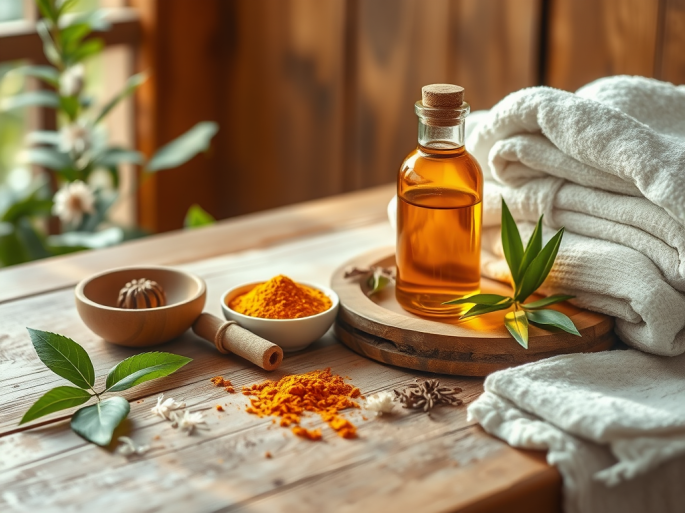
Ayurveda and Stress Management: Healing the Nervous System Through Ancient Wisdom

By Dr. Sugesh, Ayurvedic Doctor and Wellness Consultant


In our modern world, stress has become an almost accepted part of daily life. Yet, beneath the surface of constant pressure and mental overload, our bodies are quietly crying out for balance, rest, and nourishment. As an Ayurvedic doctor, I have seen how chronic stress can silently erode physical health, emotional stability, and spiritual clarity.

The good news? Ayurveda has been addressing stress for over 5,000 years, not as a disease, but as a signal—a sign that something is out of harmony. Through its deep understanding of mind-body balance, Ayurveda offers practical, time-tested tools for not only managing stress but building long-term resilience from within.


Understanding Stress in Ayurveda

In Ayurveda, stress is seen as an imbalance in the three doshas—Vata, Pitta, and Kapha. Each person reacts to stress differently depending on their unique constitution.

  • Vata imbalance often leads to anxiety, restlessness, and insomnia.
  • Pitta imbalance can cause anger, irritability, and burnout.
  • Kapha imbalance may result in lethargy, depression, and emotional withdrawal.

The first step in managing stress is recognizing how it shows up in your body and mind—and then working to bring the doshas back into balance using daily habits, herbs, diet, and spiritual practices.


My Go-To Ayurvedic Tools for Stress Relief

1. Abhyanga (Self-Oil Massage)

Every morning or evening, I recommend my patients take 10–15 minutes for self-massage with warm oil specific to their dosha. This isn’t just a luxury—it’s medicine.
Abhyanga calms the nervous system, promotes circulation, and fosters a deep sense of groundedness.

  • For Vata: Warm sesame oil with ashwagandha or bala
  • For Pitta: Cooling coconut oil with brahmi
  • For Kapha: Warming mustard oil or oils infused with trikatu herbs

2. Adaptogenic Herbs

Adaptogens help the body adapt to physical and emotional stress while building long-term resilience. A few of my favorites:

  • Ashwagandha – A grounding herb for calming the mind and supporting restful sleep
  • Brahmi – Nourishes the brain and enhances memory, clarity, and peace
  • Tulsi (Holy Basil) – Supports emotional balance and enhances spiritual awareness

Always consult an Ayurvedic practitioner for the right dosage and form.

3. Dinacharya (Daily Routine)

Ayurveda teaches that consistency is the antidote to chaos. A stable daily routine soothes Vata and strengthens the body’s natural rhythm.

  • Wake before sunrise
  • Eat meals at the same time each day
  • Limit screen time in the evening
  • Sleep before 10 p.m.

Even small shifts in daily rhythm can bring profound calm.

4. Pranayama and Meditation

Breath is life. Pranayama techniques regulate the nervous system and restore inner peace. I often recommend:

  • Nadi Shodhana (alternate nostril breathing) for balance
  • Bhramari (humming bee breath) for calming the mind
  • Guided meditation or japa (mantra repetition) for spiritual anchoring

Just 10 minutes a day can reset the stress response.

5. Sattvic Diet for the Mind

What you eat affects how you think and feel. A sattvic diet nourishes both body and mind.

  • Favor fresh, cooked foods: seasonal vegetables, whole grains, ghee, and herbal teas
  • Minimize caffeine, sugar, leftover food, and stimulants
  • Eat in a calm environment, with full attention and gratitude

Final Words from Dr. Sugesh

Stress is not just in your head—it lives in your tissues, your breath, your digestion, and your energy. Ayurveda doesn’t ask you to escape your life. It invites you to re-align with it—with the wisdom of nature, with the rhythm of your body, and with the stillness that already exists inside you.

Through Ayurveda, we don’t just manage stress—we transform our relationship to it. We learn to meet life’s demands from a place of balance, clarity, and inner strength.

If you’re feeling overwhelmed, anxious, or simply out of rhythm, know this: you don’t need to fight your body. You need to listen to it. And Ayurveda can help you hear what it’s saying.


With care and calm,
Dr. Sugesh
Ayurvedic Doctor & Wellness Consultant

Ayurveda and Stress Management: Ancient Wisdom for a Modern Epidemic

By Dr. Sugesh, Ayurvedic Doctor and Wellness Guide


In today’s fast-paced world, stress has become a constant companion for many—whether from work, relationships, financial strain, or simply the overwhelming pace of daily life. As an Ayurvedic doctor, I see more and more individuals showing signs of chronic stress: poor sleep, anxiety, fatigue, digestive problems, and burnout.

Ayurveda, the ancient science of life, offers not just temporary relief, but a holistic, long-term approach to managing stress by restoring balance in body, mind, and spirit. This system doesn’t treat stress as a one-size-fits-all condition. Instead, it helps us understand our individual constitution (prakriti), how stress affects our unique system, and what personalized tools can bring us back to center.


Understanding Stress Through the Doshas

In Ayurveda, stress is viewed as a disturbance of the doshas:

  • Vata-type stress: Manifests as worry, anxiety, insomnia, and feeling scattered.
  • Pitta-type stress: Leads to irritability, anger, perfectionism, and burnout.
  • Kapha-type stress: Presents as withdrawal, lethargy, emotional heaviness, or depression.

The goal is to calm the aggravated dosha and support the nervous system through nourishment, rhythm, and inner stillness.


Key Ayurvedic Practices for Managing Stress

1. Abhyanga (Self-Oil Massage)

This deeply grounding practice is one of the most powerful ways to soothe the nervous system and calm Vata. Warm, herbalized oils are massaged into the skin, stimulating circulation and lymphatic flow while sending a message of self-love to the body.

  • For Vata: Sesame or Ashwagandha oil
  • For Pitta: Coconut or Brahmi oil
  • For Kapha: Mustard or stimulating herbal oils like Trikatu

Even 10 minutes before a shower can make a profound difference in how your body responds to stress.

2. Adaptogenic Herbs

Ayurveda has long celebrated Rasayana herbs—those that rejuvenate, stabilize, and build resilience.

  • Ashwagandha: One of the most well-known adaptogens. It strengthens the adrenal system, supports restful sleep, and enhances physical stamina.
  • Brahmi: A calming brain tonic that enhances mental clarity, reduces anxiety, and supports meditation.
  • Tulsi (Holy Basil): Helps balance cortisol levels and calm the mind while enhancing immunity.

These herbs should be selected and dosed carefully with the help of a qualified practitioner.

3. Dinacharya (Daily Routine)

A consistent daily routine brings predictability to the body and mind—a powerful antidote to the chaos of modern life. Rising early, eating meals at the same time each day, and winding down before 10 p.m. help regulate hormonal cycles and ease mental fatigue.

Simple daily rhythms such as tongue scraping, meditation, warm meals, and oil massage send a message of safety and balance to the body, reducing the physiological impact of stress.

4. Pranayama and Meditation

The breath is the bridge between body and mind. Pranayama (breath regulation) activates the parasympathetic nervous system, slowing heart rate, lowering cortisol, and calming mental fluctuations.

Recommended practices:

  • Nadi Shodhana (alternate nostril breathing) – Balances both hemispheres of the brain and calms anxiety.
  • Bhramari (humming bee breath) – Soothes the nerves and quiets the mind.
  • So-Ham meditation – A simple, mantra-based meditation to center awareness and reconnect to stillness.

Even 10–15 minutes of daily breathwork or meditation can begin to transform your stress response.


Nutrition and Stress

Stress weakens digestion (Agni), and poor digestion in turn increases mental dullness, irritability, and toxicity. Eating warm, cooked, easy-to-digest foods—like kitchari, herbal teas, and stewed fruits—supports the gut-brain connection and strengthens mental clarity.

Avoid:

  • Cold, raw foods
  • Caffeine and refined sugar
  • Late-night eating
    Favor:
  • Warm ghee
  • Digestive spices like cumin, fennel, ginger
  • Herbal teas like tulsi, chamomile, or rose

Final Thoughts from Dr. Sugesh

Ayurveda doesn’t offer a quick fix for stress—it offers a return. A return to balance, to rhythm, to breath, to stillness. In my clinical practice, I’ve seen patients turn their lives around not by doing more, but by slowing down and aligning with nature’s intelligence.

Whether you’re feeling anxious, burnt out, or emotionally depleted, Ayurveda meets you where you are and gently guides you back to a place of calm and clarity.

Because peace is not something you chase—it’s something you uncover within.


Feeling overwhelmed or disconnected?
Book a consultation and let’s create a personalized Ayurvedic stress-reduction plan tailored to your constitution and lifestyle.

Your healing starts with one breath—and one moment of stillness.

Ayurveda for Skin and Beauty: A Doctor’s Perspective on Radiance from Within

By Dr. Sugesh, Ayurvedic Doctor and Natural Beauty Specialist


When we speak of beauty in Ayurveda, we are not referring to cosmetic perfection. True beauty, or “Saundarya,” is a reflection of inner balance, clarity, vitality, and harmony with nature. As an Ayurvedic doctor, I often remind my patients that glowing skin is not achieved by covering flaws, but by cultivating health from the inside out.

Ayurveda views the skin (Twak) as a mirror of overall health, influenced by digestion (Agni), the balance of doshas, emotional wellness, and the body’s ability to eliminate toxins (ama). When these systems are aligned, the skin becomes radiant—without the need for synthetic products or aggressive treatments.

Let me share how Ayurveda supports natural beauty through herbs, routines, and internal balance.


The Dosha Connection to Skin Health

Each dosha expresses itself uniquely through the skin:

  • Vata skin tends to be dry, thin, and prone to wrinkles and flakiness. It benefits from warm, nourishing oils and grounding routines.
  • Pitta skin is often sensitive, oily, and prone to redness, rashes, and acne. Cooling herbs and calming routines are key.
  • Kapha skin is thick, soft, and oily, but can become congested and prone to blackheads or puffiness. It benefits from dry brushing and stimulating herbs.

Understanding your skin type through the lens of your dosha allows us to craft a skin care plan that is both personalized and deeply effective.


Ayurvedic Herbs for Radiant Skin

Ayurveda’s pharmacopeia is full of time-tested herbs and natural ingredients that enhance skin health, both topically and internally:

  • Turmeric (Haridra): A powerful anti-inflammatory and antioxidant that brightens the complexion and purifies the blood.
  • Neem: Antibacterial and detoxifying, excellent for treating acne, inflammation, and skin infections.
  • Sandalwood (Chandan): Cooling and calming, ideal for sensitive or Pitta-type skin. It helps reduce blemishes and evens tone.
  • Manjistha: A blood purifier and lymphatic cleanser, often used internally or in face packs to support skin clarity and tone.
  • Aloe Vera: Hydrating, soothing, and rejuvenating—useful for nearly all skin types.

These herbs can be applied as face masks, infused oils, or taken internally depending on your constitution and skin condition.


Ayurvedic Skincare Rituals

Ayurveda emphasizes routine (dinacharya) as essential to health and beauty. Here are some foundational rituals I recommend to my patients:

1. Abhyanga (Self-Oil Massage)

Using warm, dosha-specific herbal oils to massage the body before bathing improves circulation, deeply hydrates the skin, and calms the nervous system. For example:

  • Vata: Sesame oil infused with ashwagandha
  • Pitta: Coconut oil infused with sandalwood
  • Kapha: Mustard or safflower oil with warming herbs

2. Gentle Cleansing

Use herbal powders like chickpea flour, rose petals, and turmeric instead of harsh soaps. These natural cleansers exfoliate without stripping the skin’s natural oils.

3. Face Masks and Ubtans

Weekly use of Ayurvedic face masks made from turmeric, sandalwood, neem, and rosewater can tone, detoxify, and brighten the skin.

4. Internal Cleansing

Skin health starts with digestion. Regular use of Triphala, detox teas, and liver-supporting herbs like Bhumyamalaki and Kutki help the body eliminate toxins that would otherwise show up on the skin.


Food as Beauty Medicine

You can’t talk about skin without addressing food. Ayurveda teaches that you wear what you eat—so your diet is your most important beauty product.

  • Favor fresh, seasonal, and sattvic foods: Fruits, vegetables, ghee, almonds, mung beans, and herbs like cumin and coriander.
  • Stay hydrated with warm herbal teas and room-temperature water.
  • Avoid processed foods, excessive spices, caffeine, and fried items which can disturb digestion and show up on the skin.

In my clinical practice, I’ve seen countless people transform their skin not through products—but through Ayurvedic principles that bring radiance from within.

Your skin is a living organ, deeply intelligent and responsive. When we treat it with the respect it deserves—feeding it nourishing foods, calming the doshas, cleansing gently, and embracing nature’s gifts—it rewards us with lasting beauty and self-confidence.

You don’t need miracle serums. You need balance.


Curious about your Ayurvedic skin type?
Book a consultation to receive a personalized skin and wellness plan using Ayurvedic wisdom tailored just for you.

Because true beauty begins with balance—and Ayurveda shows us the way.

Panchakarma: An Ayurvedic Doctor’s Perspective on the Deep Detox Your Body Deserves

By Dr. Sugesh, Ayurvedic Doctor and Panchakarma Specialist

In my years of practicing Ayurveda, if there’s one therapy that consistently transforms people—physically, mentally, and spiritually—it’s Panchakarma. This time-tested, deeply rejuvenating Ayurvedic detoxification process is more than just a cleanse. It’s a profound reset for your entire system, offering relief from chronic ailments, emotional heaviness, and fatigue that modern lifestyles often create.

What Is Panchakarma?

In Sanskrit, Panchakarma means “five actions.” These five therapeutic procedures are designed to remove accumulated toxins (ama), balance the three doshas (Vata, Pitta, and Kapha), and restore the body’s natural rhythm and vitality. Panchakarma is not a one-size-fits-all experience—it’s tailored to the individual’s constitution (prakriti), current imbalances (vikriti), season, and specific health conditions.

The five classical procedures are:

  • Vamana (therapeutic vomiting) – to release excess Kapha.
  • Virechana (purgation) – to cleanse excess Pitta from the liver and small intestine.
  • Basti (medicated enema) – considered the most powerful treatment for balancing Vata.
  • Nasya (nasal cleansing) – to purify the head and sinuses.
  • Raktamokshana (bloodletting) – used in specific cases to detoxify the blood.

These are supported by preparatory and post-detox procedures like Abhyanga (oil massage), Swedana (herbal steam), Shirodhara, and dietary regimens to ease the body into and out of detoxification.


Why Do You Need Panchakarma?

Modern life accumulates more than just physical toxins. Stress, pollution, processed food, irregular routines, and suppressed emotions all leave residue in the body and mind. This builds up as ama, which clogs channels, disturbs digestion, disrupts sleep, and eventually leads to disease.

When a client comes to me with fatigue, weight gain, anxiety, or digestive issues, they often don’t realize these symptoms are connected. Panchakarma allows us to clean the slate. It’s a powerful way to remove deep-rooted toxins and restore your inner intelligence—the body’s natural ability to heal and thrive.


Benefits I See in My Practice

I’ve guided hundreds through Panchakarma, and the results are often nothing short of extraordinary. Here are a few shifts I witness regularly:

  • Improved digestion and elimination
  • Stronger immunity and fewer seasonal illnesses
  • Mental clarity, calm, and better sleep
  • Hormonal balance and relief from menstrual or menopausal symptoms
  • Relief from chronic pain, inflammation, and arthritis
  • Weight loss and reduction of water retention
  • A renewed sense of purpose and energy

Panchakarma doesn’t just detox the body—it rejuvenates the soul.


When and Where to Do Panchakarma

The best times for Panchakarma are at the seasonal junctions—particularly spring and fall—when the body naturally wants to shed and reset. However, it can also be done based on individual health conditions and readiness.

It’s essential that Panchakarma is done under the guidance of a qualified Ayurvedic doctor. This is not a DIY cleanse. The therapies are powerful, and when done improperly or at the wrong time, can create imbalance instead of healing.

Panchakarma is a sacred process. It’s not about quick fixes or trends—it’s about aligning with the deeper intelligence of nature and your body. In a world that constantly demands more, Panchakarma gives you permission to slow down, cleanse, and remember your inherent vitality.

If you’re feeling stuck—physically, mentally, or emotionally—I invite you to explore this path. As your Ayurvedic guide, I will walk beside you through each step, helping you emerge lighter, stronger, and more connected to your true self.


Ready to experience Panchakarma?
Reach out for a consultation to begin your personalized Ayurvedic journey. Your body already knows how to heal—let’s help it remember.

Unlocking the Power of Ayurveda: Enhancing Modern Lives

Discover the transformative power of Ayurveda, an ancient art of living that has shaped the lives of people for over 5000 years. As a sister science to Yoga, Ayurveda offers a comprehensive healthcare management system that goes beyond modern medicine. In a world that has witnessed the vulnerability of our healthcare system during the global pandemic, many individuals are turning to alternative methods, like Ayurveda, for a holistic approach to their well-being.

Unlike western medicine that focuses on treating and managing diseases, Ayurveda places emphasis on disease prevention. Recent studies reveal that approximately 38% of adults in the U.S. incorporate complementary and alternative medicine treatments, including acupuncture, herbs, nutrition, massage, and Ayurveda. It’s clear that modern medicine has limitations when it comes to chronic and lifestyle conditions, leading the healthcare industry to embrace more inclusive and affordable approaches, such as Ayurveda.

In our fast-paced modern world, healthy lifestyles are often neglected, leading to various health issues like joint problems, metabolic diseases, obesity, and hypertension. Our eating habits have also suffered, with quick and processed foods becoming the norm. It’s time to acknowledge the impact of our modern lifestyles on our health and prioritize self-care over quick-fix remedies.

Ayurveda provides a solution to enhance the quality of your daily life. By understanding the three primary functioning energies of the body, known as Tridoshas, Ayurveda helps restore and maintain optimum levels for each individual. Through ancient remedies and treatments, such as Ayurvedic oils, herbs, and powders, Ayurveda offers accessible and hassle-free solutions that seamlessly integrate with our stressful modern lives.

Ayurveda offers numerous benefits for physical and mental health. Here are some key advantages:

1. Boosts Cellular Health: Research shows that Ayurveda can have a cellular-level impact, potentially regenerating cells and unlocking our body’s natural healing powers.

2. Lowers Blood Pressure and Cholesterol: Combatting the root causes of modern lifestyle diseases, Ayurvedic diets and techniques reduce plaque buildup, improving heart health and immunity.

3. Improves Digestion and Reduces Inflammation: A vital factor in disease prevention, Ayurvedic practices enhance digestion, reduce toxic buildup, and increase energy levels.

4. Effective Weight Management: Rather than focusing solely on weight, Ayurveda emphasizes healthy eating habits that promote fat loss and overall well-being.

5. Stress Reduction: Unwind from today’s hectic pace with Ayurvedic herbal treatments, yoga, and massages, providing relief from anxiety and restoring balance.

6. Cleanses the Body: Through Panchakarma techniques, Ayurveda removes toxins, improving both physical and mental health.

7. Emotional Wellbeing: Ayurvedic herbs support healthy psychological characteristics, aiding in mental health and overall emotional balance.

Boost Your Immunity with Ayurveda: Discover Ayurvedic ingredients and home remedies for a strong immune system, including herbal devotions and supplements.

Ayurveda and Food: Customize your diet based on your body constitution and digestive power, exploring the effects of different foods on your well-being.

Choose Safe Ayurvedic Products: Be cautious when purchasing Ayurvedic items, ensuring they are organic, certifiably safe, and free from toxic metals.

Kickstart Your Ayurvedic Journey: Begin with a comprehensive health assessment by a reputable like myself, tailoring a treatment plan specifically for you. Contact me today!

Ayurveda: A Natural Solution for Thyroid Disorder

Ayurveda, one of the oldest medicinal practices in the world, has been used for centuries to heal a range of illnesses, including thyroid disorders. These days, more and more people are turning to Ayurveda as a natural solution for thyroid disorders due to its holistic approach in treating the root cause of the illness.

What is Thyroid Disorder and How Does Ayurveda View It?

Thyroid disorder is a medical condition that occurs when the thyroid gland, located in the neck, overproduces or underproduces hormones. This can lead to hyperthyroidism, an overactive thyroid, or hypothyroidism, an underactive thyroid. Symptoms of thyroid disorder can include fatigue, weight gain or loss, hair loss, changes in appetite, and many more.

Ayurveda regards thyroid disorder as a disturbance in one of the three doshas: Vata, Pitta, and Kapha. The thyroid gland is associated with the Kapha dosha in Ayurveda, and when it’s imbalanced, it can lead to an array of symptoms. The Ayurvedic approach to thyroid disorder considers the doshas and seeks to balance them to bring the body back to optimal health.

Ayurvedic Practices for Managing Thyroid Disorders

  1. Diet: Ayurvedic diets are tailored to the individual and can help manage thyroid disorders by balancing the doshas. Ayurveda recommends incorporating specific foods into the diet, such as seaweeds, coconut oil, ghee, and ashwagandha.
  2. Herbal Remedies: Ayurvedic practitioners use herbs such as ashwagandha, guggulu, and brahmi to help manage thyroid disorders. These herbs can help balance the thyroid hormone levels, reduce inflammation, and provide a host of other benefits to the body.
  3. Yoga and Meditation: Ayurveda also recommends practicing yoga and meditation to help manage thyroid disorders. Yoga poses such as the shoulder stand and the fish pose can help stimulate the thyroid gland, while meditation can help reduce stress and manage anxiety, which can exacerbate thyroid disorders.
  4. Lifestyle Changes: Ayurveda stresses the importance of lifestyle changes to help manage thyroid disorders. These lifestyle changes include getting enough sleep, reducing stress, and avoiding exposure to toxins in the environment.

Ayurveda presents a natural and holistic approach to managing thyroid disorders. By addressing the root cause of the problem, Ayurveda can help restore balance to the body, leading to long-term healing and improved overall health. Incorporating Ayurvedic practices into your daily routine, along with proper medical care, may help manage thyroid disorders effectively. It’s important to consult with a licensed Ayurvedic practitioner to develop a tailored treatment plan that works for your unique needs.

Make an appointment with me today!

Dr. Sugesh

Ayurveda, an ancient healing practice, offers a holistic approach to thyroid disorders by addressing the root cause. It views the disorder as a disturbance in the Kapha dosha and recommends tailored diets, herbal remedies, yoga, meditation, and lifestyle changes. Integrating Ayurvedic practices with medical care can effectively manage thyroid disorders for long-term healing.

Ayurveda: Natural Way to Manage PMDD Symptoms

Premenstrual dysphoric disorder (PMDD) is a common but debilitating condition that affects women during their menstrual cycle. As an Ayurvedic doctor, I have seen firsthand how Ayurveda can help women manage their PMDD symptoms naturally. Ayurveda is a holistic approach that focuses on balancing the body, mind, and spirit. In this blog post, I will explain how Ayurveda can help women with PMDD and provide natural remedies to manage their symptoms.

  1. Understanding PMDD: PMDD is a severe form of premenstrual syndrome (PMS) that affects up to 8% of women. The symptoms of PMDD are similar to PMS but are more severe and can interfere with daily activities. Women with PMDD may experience mood swings, depression, anxiety, irritability, bloating, fatigue, and muscle pain. Ayurveda considers PMDD a result of an imbalance in the body’s doshas, specifically Vata, Pitta, and Kapha.
  2. Ayurvedic Lifestyle Changes: Ayurveda recommends lifestyle changes that can help balance the doshas and alleviate PMDD symptoms. Women with PMDD should avoid processed foods, caffeine, alcohol, and tobacco. A nutritious diet that includes fresh fruits, vegetables, whole grains, and lean proteins can help balance the doshas and reduce inflammation. Regular exercise, yoga, and meditation can also help balance the doshas and reduce stress.
  3. Ayurvedic Herbs: Ayurvedic herbs can help manage PMDD symptoms naturally. Some of the herbs that are commonly used to manage PMDD include Ashwagandha, Shatavari, and Brahmi. These herbs have anti-anxiety, anti-inflammatory, and mood-boosting properties. Ayurvedic practitioners recommend consulting a qualified Ayurvedic practitioner before using any herbs to manage PMDD.
  4. Ayurvedic Treatments: Ayurvedic practitioners use various techniques to balance the doshas and improve overall health. Ayurvedic treatments such as Abhyanga, Shirodhara, and Ayurvedic massage can help reduce stress, improve blood flow, and balance the doshas. These treatments are customized to each individual’s needs and health conditions.
  5. Mind-Body Connection: Ayurveda emphasizes the mind-body connection and how our thoughts and emotions affect our physical health. Women with PMDD can benefit from practicing mindfulness and learning to manage their thoughts and emotions. Ayurvedic practices such as Pranayama, yoga, meditation, and Ayurvedic counseling can help women learn how to manage their PMDD symptoms and improve their overall health and well-being.

Ayurveda offers a natural and holistic way to manage PMDD symptoms. By making lifestyle changes, using Ayurvedic herbs, undergoing Ayurvedic treatments, and practicing mindfulness, women can balance their doshas and improve their overall health and well-being. Ayurveda is a safe and effective option for women who want to avoid side effects often associated with conventional treatments for PMDD. I highly recommend that women suffering from PMDD explore Ayurvedic treatments and consult with me, a qualified Ayurvedic practitioner to find the best approach for your individual needs. Contact me today!

Natural Remedies for Erectile Dysfunction and Low Libido in Men using Ayurvedic Practices

Erectile dysfunction (ED) and low libido are common issues that men may face at any age. They can be caused by many factors such as stress, anxiety, hormonal imbalances, and aging. While many men seek medical help to address this issue, there are also Ayurvedic remedies that can help treat erectile dysfunction and boost libido. Ayurveda, a traditional Indian medicine, has been used for over 5,000 years to improve sexual health and vitality. In this blog, we will discuss some natural remedies for erectile dysfunction and low libido in men using Ayurvedic practices.

  1. Ashwagandha: Ashwagandha is an Ayurvedic herb that has been used for centuries as a natural remedy for anxiety and stress. It is also known to improve sexual health in men. Ashwagandha can boost testosterone levels, which in turn can increase sex drive and improve erectile function. Take 1-2 capsules of Ashwagandha twice a day to improve sexual health.
  2. Shilajit: Shilajit is a natural mineral compound that contains many beneficial nutrients such as Fulvic Acid, Humic Acid, and minerals. It has been used in Ayurveda for centuries to improve sexual health and energy levels. Shilajit can boost energy levels, improve immune function, and increase testosterone levels. Take 250-500mg per day of Shilajit powder to improve sexual health.
  3. Tribulus Terrestris: Tribulus Terrestris is a herb that is commonly used in Ayurveda to improve sexual function and libido. It has been shown to increase testosterone levels in men, which can improve erectile function and increase sex drive. Take 1-2 capsules of Tribulus Terrestris per day to improve sexual health.
  4. Garlic: Garlic is a common kitchen ingredient that has many health benefits. It is known to improve blood circulation and may help with erectile dysfunction. Garlic may also improve testosterone levels in men. Add more garlic into your diet by including it in your meals or taking supplements.
  5. Yoga and Meditation: Stress and anxiety can be a major cause of erectile dysfunction and low libido. Yoga and meditation are both excellent ways to reduce stress and improve overall health. Practice yoga and meditation regularly to improve sexual health and overall well-being.

Erectile dysfunction and low libido can have a negative impact on a man’s sexual health and overall well-being. Fortunately, there are many Ayurvedic remedies that can help improve sexual health naturally. Ashwagandha, Shilajit, Tribulus Terrestris, garlic, and yoga and meditation are all natural ways to boost libido, improve erectile function, and reduce stress and anxiety. If you have any questions about these remedies or would like to learn more about Ayurvedic practices, please make an appointment with me today. By incorporating Ayurvedic remedies into your lifestyle, you can improve your sexual health and enjoy a more fulfilling life. I also have an online course focusing on Men’s Sexual Health. You can also order herbal remedies by clicking the link below.

The importance of balance in sexual health according to Ayurveda

Sexual health is a vital component of overall health and wellbeing. While mainstream medicine often focuses on treating symptoms of sexual dysfunction, Ayurveda offers a more holistic approach, emphasizing the importance of balance in all aspects of sexual health.

  1. Understanding Doshas:
    According to Ayurveda, every individual has a unique constitution, or “dosha”- Vata, Pitta, or Kapha. In terms of sexual health, each dosha has its own tendencies and vulnerabilities. Vata types may experience dryness and anxiety, Pitta types may struggle with emotionality and obsessiveness, and Kapha types may experience sluggishness and attachment. Understanding and balancing your dominant dosha is key to promoting healthy sexual function.
  2. Mindfulness in sexual encounters:
    In Ayurveda, sex is viewed as a sacred act and an opportunity for connection between partners. Mindful attention to the experience can promote balance, stability, and pleasure. Preparing the body and mind through relaxation techniques and intentional breathing can enhance the experience. Additionally, fasting from orgasm can bring balance to the nervous system and promote longevity.
  3. Herbs and Supplements:
    Ayurveda uses a variety of natural substances to promote sexual health. Herbs such as ashwagandha, shatavari, and maca root are commonly used to promote vitality and balance. Ghee and other healthy oils can be applied topically to promote lubrication and healing. Ayurvedic practitioners can provide individualized recommendations based on your dosha and needs.
  4. Diet and Lifestyle:
    Ayurveda emphasizes the importance of diet and lifestyle in overall health, including sexual health. Eating a balanced and nourishing diet that is appropriate for your dosha is essential, as is getting regular exercise and adequate rest. Avoiding harmful substances such as alcohol, cigarettes, and excess sugar can also promote balance.
  5. Communication:
    Finally, open and honest communication with your partner(s) is essential for promoting balance in sexual health. Sharing your concerns, desires, and boundaries can enhance the experience and prevent a variety of issues that can arise from miscommunication. Ayurveda recognizes the importance of healthy relationships and communication in maintaining sexual balance.

Ayurveda offers a comprehensive and holistic approach to sexual health, emphasizing the importance of balance in all aspects of the experience. Understanding your dosha, practicing mindfulness, incorporating herbs and supplements, prioritizing diet and lifestyle, and communicating openly with partners can all promote healthy sexual function. If you are struggling with sexual dysfunction or seeking to optimize your sexual health, consider incorporating Ayurvedic principles into your approach and make an appointment with me today! You may alternatively take my affordable, online course in Men’s Sexual Health.

Unlock the Benefits of Ayurveda for a Modern Lifestyle

Experience the life-changing power of Ayurveda – an ancient practice that has stood the test of time. Dating back 5000 years, Ayurvedic medicine continues to shape and enchant the lives of people worldwide. As the Sister Science of Yoga, Ayurveda offers a comprehensive healthcare system that promotes a holistic way of living.

The recent global pandemic has exposed the vulnerabilities of our healthcare system. It has prompted individuals to search for alternative methods of treatment and a more proactive approach to health. While modern medicine focuses on managing diseases, Ayurveda places emphasis on disease prevention. In fact, studies show that 38% of adults in the U.S. are already turning to complementary and alternative treatments like Ayurveda.

In today’s fast-paced world, it’s easy to neglect our health. But the consequences can be severe, leading to disability, illness, and even death. Joint and skeletal problems, metabolic diseases, obesity, and hypertension are on the rise. Our modern lifestyle habits, such as relying on fast food and frozen meals, are contributing to these issues.

Furthermore, our sedentary lifestyles, caused by technology and a lack of physical activity, are taking a toll on our well-being. Sleep deprivation, due to longer working hours and constant screen time, adds to the problem. It’s time to prioritize our health and embrace a healthier approach to daily living.

That’s where Ayurveda steps in. According to Ayurvedic principles, each individual has a unique body constitution and energy profile. By understanding this, Ayurveda helps restore balance and maintain optimal health through natural remedies and treatments. These remedies, such as oils, herbs, powders, pills, and balms, can easily be incorporated into your modern lifestyle.

Ayurveda proves to be a powerful tool in disease prevention and management. Here are the key advantages of Ayurveda for both physical and mental health:

1. Cellular-Level Healing: A study published in the National Center for Biotechnology Information reveals that Ayurveda has the ability to regenerate cells and promote overall health on a fundamental level. Learn how to harness your body’s natural healing power through proper self-care.

2. Combat High Blood Pressure and Cholesterol: Modern lifestyle diseases often stem from these two culprits. Ayurvedic diets, relaxation techniques, and essential oils are highly effective in reducing plaque buildup, improving blood flow, and preventing immune-related diseases like heart attacks and strokes.

3. Enhance Digestion and Reduce Inflammation: Poor digestion and unhealthy eating habits lay the groundwork for many diseases. Ayurvedic diets and treatments optimize digestion, preventing toxic buildup in the digestive tract and boosting energy levels.

4. Manage Weight Through Holistic Eating: Ayurveda prioritizes healthy eating habits that promote overall well-being, rather than placing excessive focus on weight. By following proper dietary restrictions, you can achieve a toned body and detoxify effectively.

5. Reduce Stress and Find Balance: Relieve stress and anxiety caused by today’s fast-paced lifestyle through Ayurvedic practices like herbal treatments, yoga, breathing exercises, and massages. These ancient techniques provide relaxation, detoxification, and rejuvenation for your mind and body.

6. Cleanse Your Body: Panchakarma, an Ayurvedic practice, employs five different techniques to eliminate toxins from the body. By purging these harmful substances, you can improve both physical and mental health.

7. Unleash Emotional Wellbeing: Ayurveda recognizes the influence of bodily humors on psychological characteristics. Nootropic herbs are being studied for their potential to support cognitive functions and promote emotional well-being.

Boost Your Immunity with Ayurveda: Incorporate Ayurvedic ingredients and home remedies, such as Tulasi or Basil, pepper, cinnamon, and dry ginger, into your daily routine. Strengthen your immune system and safeguard your health with these natural remedies.

Uncover the Secrets of Ayurvedic Food and Health: Explore the vast range of Ayurvedic diets, both vegetarian and non-vegetarian, tailored to your unique body constitution and digestive power. Understand how different foods impact your digestion based on their qualities such as potency, taste, pharmacological effect, and digestive effect.

Choosing Ayurvedic Products: Choose organic Ayurvedic products made with quality ingredients like ashwagandha, triphala, brahmi, and cardamom. Be cautious of adulterated items containing toxic metals. Always ensure safety standards and certification when purchasing Ayurvedic products online.

Start Your Ayurvedic Journey: Begin by receiving a comprehensive health assessment from a reputable Ayurvedic practitioner. Through a thorough examination of your health history, physical features, and pulse reading, they will create a personalized treatment plan designed specifically for you.

Embark on a transformative journey with Ayurveda and experience how it can revolutionize your life. Make an appointment with me today!