Finding Peace through Ayurveda: A Natural Remedy for Daily Struggles

In our daily lives, we face various struggles ranging from stress, anxiety, depression, and loneliness, which can negatively impact our health and well-being. If you are looking for a way to combat these debilitating conditions and regain your inner peace, consider practicing Ayurveda.

Ayurveda, an ancient Indian system of medicine and healing, offers holistic solutions that can help you connect with your body, mind, and spirit. In this blog post, we’ll explore the ways in which Ayurveda can improve your mental and emotional health, allowing you to lead a more fulfilling life.

  1. Understanding the Core Principles of Ayurveda

Ayurveda aims to balance the three doshas or energy types within our body that dictate our physical and mental well-being. These are known as Vata (air and space), Pitta (fire and water), and Kapha (earth and water) doshas. Imbalances in any of these doshas can lead to physical and emotional problems. Ayurveda uses a range of therapies, including herbal remedies, massages, and dietary changes, to restore balance and promote healing.

  1. Ayurvedic Methods to Combat Stress and Anxiety

Stress and anxiety can manifest in various ways and can severely affect your physical and mental health. Ayurveda offers various methods to manage stress, including pranayama or controlled breathing, aromatherapy, and yoga. These ancient techniques can effectively calm the mind, lower blood pressure, and improve overall relaxation.

  1. Ayurvedic Diet for Mental Health

At the core of Ayurveda is a well-balanced and nutritious diet, which can significantly benefit your mental and emotional health. Ayurveda recommends eating wholesome, organic, and fresh foods that are easy to digest and provide the body with proper nourishment. Avoiding processed foods, refined sugars, and alcohol can also help you maintain a calm and clear mind.

  1. Self-Care Practices for Daily Healing

Ayurveda emphasizes the importance of self-care practices to cultivate inner peace and promote emotional balance. Practicing gratitude, meditation, and mindfulness techniques, along with regular exercise, can help you cope with stress, anxiety, and depression. These simple yet powerful practices can help you connect with your true self, allowing you to find peace within.

  1. Seek Professional Ayurvedic Help (Schedule a consultation with me!)

If you are struggling with mental health issues like depression, anxiety, or loneliness, Ayurveda can be a valuable tool in your healing journey. It’s essential to consult an Ayurvedic Doctor who can assess your unique constitution and offer natural remedies that work best for your body type.

Ayurveda is a natural and effective way to combat daily struggles and find inner peace. By understanding and implementing the core principles of Ayurveda, you can effectively manage stress, anxiety, depression, and other mental health problems. Incorporating Ayurvedic methods in your daily life can lead to a more balanced and fulfilling life, allowing you to live your best life. Are you ready to embark on a healing journey with Ayurveda?

THE IMPORANCE OF AYURVEDA AND AYURVEDIC MEDICINE IN MODERN LIFE 

Ayurvedic medicine is a way of life, it is an art of living. This practice of Ayurveda began 5000 years ago in India and is still prevalent around the world -shaping,enchanting the lives of many people.


Ayurveda, known as the Sister Science of Yoga, is one of the most renowned traditional systems of medicine that has evolved  into a comprehensive healthcare management system. The earliest recorded  texts called vedas, describe the transfer of this knowledge from Gods to sages, then sages to the doctors.


In the last two years,the rampant spread of COVID-19 across the world has brought into perspective the fragility of our health care system. It has also gone through a monumental transition with individuals moving from modern medicine to alternative methods of treatment and holistic way of living.


Incorporating Ayurveda into modern lives improves the quality of life, western medicines focus on the treatment and management of disease while Ayurveda concentrates on the prevention of disease. Recent studies show that around 38%of an adult’s in the U.S. use CAM treatments like acupuncture, herbs, nutrition, massage, and Ayurveda. Modern medicine and therapies have limitations when it comes to curing chronic and lifestyle conditions. As a result, the healthcare industry has been in the quest of making the health ecosystem more inclusive, holistic and affordable. These approaches have recently brought Ayurveda into the limelight again.


Ancient alternative medicine systems like Ayurveda often take a backseat especially in modern times. Allopathy and quick-fix remedies are common as they tend to offer fast solutions to health issues.with people busier than ever and fast lifestyles the norm,many of us don’t seem to want to put in the time and effort for holistic results.

HOW DOES MODERN LIFE AFFECT HEALTH
Lifestyle is an essential factor when it comes to our health. An unhealthy lifestyle can lead to disability, illness, and even death. Recent medical reports show a rise in issues like joint and skeletal problems, metabolic diseases, obesity, and hypertension. Some of the various modern lifestyle habits that affect our health.
In the fast-placed modern lifestyle, food has also become fast.people don’t find time to cook or eat meals together. They eat fast foods and frozen foods that are loaded with  preservatives, which in turn give rise to unwanted afflictions and diseases.
Modern life styles is just like race, nobody had time for self-care. It’s not just a silly issue but a fact that the modern lifestyle may cause serious health issues in human.because of the lack of time, everyone tends to take medication under allopathy which can cause side on the human body.
According to a study conducted by WHO, around 60%-85% of the world’s population do not engage in any kind of physical activity. Technology and the inactive modes of transport have made people lazy and increased the rate of a sedentary lifestyle.Modern lifestyle aspects such as computer screens, mobile phones, and longer commutes have blurred the line between personal time and work contributing to sleep deprivation. A minimum of seven hours of seven hours of sleep is required to maintain a healthy lifestyle.


AYURVEDA IMPROVES THE QUALITY OF YOUR DAILY LIFE
According to Ayurveda, the human body comprises Tridoshas or three primary functioning energies, vata dosha, kapha dosha and pitta dosha. Even though the same Tridoshas are present in every human being,the optimum level of these doshas differs from according to the bodys constitution. The Ayurvedic lifestyle helps reduce,restore,and maintain the optimum levels with natural remedies and treatments.
Ayurvedic treatments and remedies are built using ancient knowledge and complex compositions that can be easily incorporated into your life. These treatments and remedies have been in use since ancient times in various forms like Ayurvedic oils,Ayurvedic herbs, powders, pills, eye drops, balms, etc. These remedies are easily accessible, hassle-free, and can be easily adapted to your stressful modern lifestyle.


WHAT ARE THE HEALTH BENEFITS OF AYURVEDA?
According to Ayurveda experts, the traditional medicine system provides important insights into the understanding and management of diseases in the contemporary world. It puts great emphasis on the psychological state in the prevention and management of diseases. Here are some of the primary benefits of Ayurveda for physical and mental health.


1. Ensure better health at a cellular level-According to a study published in the National center for Biotechnology information, Ayurveda can help on a cellular level and has the potential to regenerate cells. It has been indicated that human bodies have the power to heal themselves of certain ailments, simply through the way we treat our bodies.


2. Lowers blood pressure and cholesterol-Most modern lifestyle diseases arise from high blood pressure and plaque buildup. The formation of cholesterol and fats in the inner lining of the arteries results in plaque. This is the root cause of heart attacks and strokes. Ayurvedic diets and relaxation techniques help reduce plaque buildup and prevent immunity related diseases. Ayurvedic herbs and essential oils also help improve blood flow and circulation while drawing out toxins from the body.


3. Improves digestion and reduces inflammation-root cause of many diseases began with inflammation due to bad digestion and unhealthy earring routines.Ayurvedic diets and treatments activate the digestive system during the right times of the day,resulting in a reduced toxic build-up in the digestive tract .This prevents the body from feeling lethargic and increases energy levels.


4. Helps in weight loss management-In Ayurveda,weight is not necessarily a major concern but it emphasizes healthy eating habits that help shed excessive body fat.correct dietary restrictions through Ayurveda allow the body to detox and make it possible toyi achieve a toned body.


5. Reduces stress -Today the fast-paced and sedentary lifestyle leaves no scope for the body to relax and rejuvenate.Ayurvedic herbal treatments and massage along with the regular practice of yoga,breathing exercises,and massages guarantee a reduction in stress and anxiety.These practices also allow the body to calm down, detoxify and rejuvenate.


6. Cleanses the body-in Ayurveda, panchakarma is the practice to remove toxins from the body through five different techniques. The administration of these techniques in the body allows the elimination of toxins that interfere with our body functions. A cleaned body, in turn, improves physical and mental health.


7. Ayurveda and Emotional wellbeing-A person’s psychological characteristics are determined based on the three bodily humors. Any change in their levels affects the individual’s mental health and well being. Ayurvedic herbs such as nootropic herbs are being studied for their properties that support congestive functions.


8. Ayurveda and immunity-Ayurveda offers various kinds of Ayurvedic ingredient’s and home remedies that can be incorporated in to our daily lives for strong and better immunity. Herbal devotions or Kadha are made from herbs like Tulasi or Basil, pepper, Dalchini or cinnamon, and shunti or dry ginger. These Ayurvedic herbs can be consumed in the form of tablets, powders, or jams as Chyawanprash.


9. Exploring Ayurvedic knowledge on Food and Health-Ayurvedic diet can be vegetarian and non vegetarian. The portion or size of the diet for each individual should be customized according to their doshas (body constitution) and agnibal (digestive power).
Since there are innumerable varieties of foods available, they are innumerable varieties  of foods available, they are categorized based on their actions on the individual and are determined by their qualities such as virya (potency), ras (taste), prabhav (pharmacological effect), and vipak (digestive effect). Hence, as per Ayurveda, food is classified based on its effects and properties of on digestion.


Ayurvedic products
Here’s and spices are among the top ingredients used to make Ayurvedic items.These include ashwagandha for stress and sleep, triphala for flatulence and constipation, brahmin for attention and memory, and cardamom for lowering blood pressure.It’s important to remember that while items are marketed as being natural, there are those that are adulterated with toxic metals.The best Ayurvedic products are organic and comply with safety standards, so always check the manufacturer’s certification and read the ingredients carefully-especially when buying Ayurveda products online.


Ayurvedic Health Assessment
If you’re ready to start discovering the importance of Ayurveda-and experience how it can change your life-you should begin with a health assessment by a reputable Ayurvedic Practitioner. This involves providing a detailed health and lifestyle history, an examination of your eyes, lips, skin, nails and tongue as well as pulse reading. These give me a detailed insight into your physical and mental health so they can create a treatment plan just for you.

Tracing the Roots of Ayurveda: A Journey Through Time

Ayurveda, which means the science of life, has been a part of the Indian subcontinent for more than 5000 years. Originating from the Vedic texts and deriving concepts from the Hindu mythology, Ayurveda is an ancient form of medicine that has attracted the world for its natural approach towards health and wellness. But how exactly did Ayurveda emerge? Who were the pioneers who propagated its principles? In this blog, let us take a walk down the path of history as we trace the roots of Ayurveda and discover its rich heritage.

According to Hindu mythology, Lord Brahma created Ayurveda and imparted the knowledge to Daksha Prajapati, who in turn passed it on to Ashwini Kumar, the celestial physicians of Inanda. It is said that Ayurvedic principles were followed even during the Sat Yuga in India. However, the first known developments in Ayurvedic medicine began in the Treta Yuga by Divodasa Dhanwantari, who wrote about the school of surgery during the 9-6 century BCE.

The most widely known and acclaimed Ayurvedic text in the world, the Sushrut Samhita, was written in the 5th-4th century BCE by a brilliant surgeon named Sushrut. He not only explained about general surgery but also included complex surgeries such as brain surgeries and cataract surgeries in his text. Another important Ayurvedic pioneer was Kashyap, a physician from the Dwapar Yuga, who specialized in obstetrics and gynecology.

Bharadwaj, who is hailed as the human father of Ayurvedic medicine, was also from Dwapar Yuga. He was a scholar and a practitioner who significantly contributed to the propagation of Ayurveda. His disciple, Atreya, developed the school of physicians during 8-6 century BCE, and wrote the famous Charak Samhita in the 1st century CE.

In the 8th century CE, the Ashtanga Hridayam, written by Vagbhata, provided holistic knowledge on Ayurveda, including surgery, medicines, and diet. In the 9th century CE, Madhavakara wrote a book called the Madhava Nidan, which talked about the diagnosis of diseases in detail. The Sharangadhara Samhita, compiled by Sharngadhara in the 13th century CE, became famous for its recipes for Ayurvedic medicines.

It was in the 14th century CE the use of mercury was first recorded in Ayurvedic medicine. This revolutionary step led to the discovery of the Rasashastra, which dealt with metals and minerals as medicinal substances. Bhavamishra, who wrote Bhavaprakasha in the 16th century CE, categorized the Ayurvedic medicines based on their actions on the human body.

From the mythical origins to the earliest practitioners and physicians, the history of Ayurveda is rich, diverse, and fascinating. It has endured over millennia and continues to be an integral part of Indian culture. The roots of Ayurveda have been traced to various periods of human civilization, and it stands as a testament to the insight and wisdom of our ancestors. As we appreciate the depth of knowledge that Ayurveda has to offer, let us also marvel at the journey it has taken to reach us.

The Eight Branches of Ayurveda- A Complete Guide to Ashtanga Ayurveda

Ayurveda is an ancient Indian system of medicine that focuses on holistic healing and balancing the mind, body, and spirit. Ashtanga Ayurveda, which translates to Eight Branches of Ayurveda, is a system that recognizes eight branches, each of which deals with different aspects of health and wellness. In this blog post, we will explore these eight branches and learn about the various aspects of Ashtanga Ayurveda.

  1. Kaya Chikitsa Tantra (Internal Medicine): This branch of Ayurveda focuses on diagnosing and treating diseases by analyzing the patient’s body tissue, elements, and humors, and seeking ways to restore balance in these areas. A Kaya Chikitsa practitioner prescribes a holistic regimen of herbal remedies, dietary guidelines, and lifestyle practices.
  2. Shalakya Tantra (Surgery and Treatment of Head and Neck): Shalakya Tantra aims to treat diseases related to the head and neck, including eyes, ears, nose, and throat. This branch of Ayurveda focuses on prevention, diagnosis, and surgical treatment of these parts of the body.
  3. Shalya Tantra (Surgery): Shalya Tantra is another sub-branch that deals exclusively with surgical procedures. Through this branch, surgeons perform complex surgical procedures to treat various diseases such as cancer, fractures, and other conditions.
  4. Agada Tantra (Toxicology): This branch of Ayurveda is about identifying, preventing, and treating poisonings caused by natural substances, such as snake bites, scorpion stings, and some plant and insect toxins. Agada Tantra emphasizes the use of herbal remedies and ancient techniques to treat toxin-related ailments.
  5. Bhuta Vidya (Psychiatry): Bhuta Vidya deals with the understanding and treatment of mental disorders. The Ayurvedic approach to mental wellness is to balance the patient’s mental, emotional, and physical health. The practitioner will use a holistic approach and recommend therapies that include meditation, aromatherapy, and mindful practices.
  6. Kaumara Bhritya (Pediatrics): This branch of Ayurveda is designed to promote the health and well-being of children from birth to adolescence. Kaumara Bhritya practitioners focus on diagnosing and treating issues related to the physical, emotional, and cognitive development of a child.
  7. Rasayana (Science of Rejuvenation or Anti-Aging): Rasayana focuses on promoting anti-aging and longevity by enhancing the body’s natural regenerative power. It promotes the use of herbs, diet, and lifestyle practices that can help improve the body’s immune response, memory, and overall vitality.
  8. Vajikarana (the Science of Fertility and Aphrodisiac): Vajikarana is the branch of Ayurveda that focuses on reproductive health, infertility, and sexual problems. This branch uses herbs, dietary guidelines, exercises, and lifestyle practices that boost sexual vitality and fertility in both men and women.

Ashtanga Ayurveda’s eight branches provide a comprehensive approach to health and wellness. Each branch follows a holistic approach to treatment that aims to restore balance in the body, mind, and spirit. Ayurveda is a system of medicine that has stood the test of time and is still relevant today. It is gaining more popularity as people seek alternatives to modern medicine’s conventional approaches and medication dependencies. By addressing health imbalances at the root and promoting overall wellness, Ayurveda can help people achieve optimal health.

Ayurveda – The Ancient Science of Life

Ayurveda is an ancient Indian system of medicine and lifestyle that is based on natural principles. It is regarded as one of the oldest medical systems in the world and has been practiced for thousands of years. Ayurveda is a holistic approach to healthcare that helps people lead healthy and balanced lives. The word Ayurveda is derived from two Sanskrit words – Ayur which means life and Veda which means knowledge – hence, Ayurveda can be translated as “the science of life”.

The evolution of Ayurveda comes from the four Vedas of ancient India – the Rig Veda, the Same Veda, the Yajur Veda, and the Atharva Veda. Ayurveda attained a state of reverence and is classified as one of the Upa-vedas – a subsection attached to the Atharva Veda. The origin of Ayurveda can be traced back to 5,000 years old. Its principles can be seen in the ancient texts of wisdom such as the Upanishads, Puranas, Charak Samhita, and Sushruta Samhita.

The Atharva Veda contains not only the magic spells and occult sciences but also the Ayurveda that deals with the diseases, injuries, fertility, sanity, and health. It provides insight into remedies and herbs that can be used for healing. The knowledge we have now is by three surviving texts of Charaka, Sushruta, and Vaghbata, which are considered to be the foundation of Ayurvedic medicine. These texts provide a comprehensive understanding of anatomy, physiology, diagnosis, and treatment of various ailments.

Ayurveda emphasizes that the human being is made of three types of energies and the harmony of these energies is the basis for good health – Vata, Pitta, and Kapha. The balance of these energies can be affected by our diet, lifestyle, emotions, and environmental factors. Ayurvedic principles help us to understand our unique constitution and provide a personalized approach to treatment. Ayurveda promotes the use of natural herbs, minerals, and oils for healing and wellness.

Ayurvedic treatments focus on detoxification, rejuvenation, and the restoration of balance. Ayurvedic therapies include Panchakarma, which is a combination of five therapies that help to remove toxins from the body. Other treatments include herbal remedies, yoga, meditation, and massage. Ayurvedic massage sessions, called Abhyanga, use warm oils that are specific to an individual’s constitution and are applied to their body in a rhythmic pattern.

Ayurveda is an ancient system of medicine and lifestyle that has stood the test of time. Its holistic approach to healthcare helps people lead healthy and balanced lives. The ancient texts provide a wealth of knowledge and a comprehensive understanding of various ailments. Ayurveda emphasizes the importance of personalized treatments and the use of natural remedies. Ayurvedic treatments have been shown to be effective in treating various diseases, and its principles can be applied by anyone looking to improve their health and wellbeing.

The Magic of Custom Ayurvedic Medicines from Dr. Sugesh

Ayurveda is an ancient Indian medicinal system that has been used for over 5,000 years to promote health and wellness. One of the key aspects of Ayurveda is the use of herbal medicines that are specifically tailored to meet the unique needs of each individual. This personalized approach enables patients to receive the most effective treatment possible for their condition. Fortunately, we have Dr. Sugesh, an Ayurvedic specialist who is dedicated to creating custom herbal medicines for all individuals. In this blog post, we will explore the various conditions that Dr. Sugesh can treat with his deep love and knowledge of herbal preparations.

Dr. Sugesh is an Ayurvedic specialist with more than 15 years of experience in the field. He has a passion for creating custom herbal medicines that are tailored to meet the unique needs of each individual. When you visit Dr. Sugesh, he will begin by diagnosing your symptoms and determining the root cause of your condition. Based on this analysis, he will create a personalized treatment plan that includes custom herbal medicines designed specifically for you.

Some of the most common conditions that Dr. Sugesh can treat with his custom herbal medicines include arthritis, back and neck problems, constipation, thyroid problems, hair problems, skin diseases (especially psoriasis), migraines, fertility issues in men and women, asthma, chronic bronchitis, sinusitis, liver problems, heart problems, prostate problems, low immunity, allergies, eyes and so much more! No matter what your ailment, Dr. Sugesh can create a personalized herbal remedy to help you alleviate your symptoms and feel better.

In addition to creating custom herbal medicines, Dr. Sugesh also offers diet and lifestyle recommendations that can complement your Ayurvedic treatment. These recommendations are designed to help you maintain optimal health and prevent future illnesses. By taking a holistic approach to your health, Dr. Sugesh can help you achieve long-lasting wellness.

One of the benefits of Ayurvedic medicine is that it is completely natural and free of side effects. Unlike western medicines, Ayurvedic medicines do not contain harmful chemicals or synthetic substances that can cause harm to your body. Instead, Ayurvedic medicines are made using natural herbs and plants that have been used for centuries to promote health and wellness. With Dr. Sugesh’s custom herbal medicines, you can achieve optimal health without exposing yourself to harmful toxins.

Another benefit of Ayurvedic medicine is that it has been proven to be effective in treating a wide range of conditions. From minor ailments like constipation to more serious conditions like heart disease, Ayurvedic medicine can help alleviate your symptoms and promote healing. By taking a holistic approach to your health, you can not only manage your symptoms but also prevent future illnesses and maintain optimal wellness.

In conclusion, Dr. Sugesh’s custom Ayurvedic herbal medicines are the future of medicine. Make an appointment in person or online today! With his personalized approach to healing, he can help you achieve optimal health and wellness. By taking a holistic approach to your health, you can not only alleviate your symptoms but also prevent future illnesses and achieve long-lasting wellness. If you are looking for a natural, effective, and safe way to manage your health, Ayurvedic medicine is the way to go.

The Deadly Effects of Stress from the Modern Lifestyle

Stress has become the norm in the modern lifestyle. Whether it’s work, family, finances, or relationships, we all deal with stress on a daily basis. Although small amounts of stress can be motivational, too much stress can have a detrimental effect on our overall well-being, leading to physical, emotional, and mental issues. During special occasions like holidays, stress levels can escalate, which is why it’s vital to learn how to recognize the signs of stress and manage them proactively. In this blog, we’ll explore how stress is the biggest killer of modern lifestyle and how Ayurveda can help alleviate stress-related symptoms.

Stress is a silent killer that weakens the immune system, making us more susceptible to physical and mental ailments. The first signs of stress are usually physical symptoms such as a headache, disturbed sleep, loss of appetite, muscle tension, or aches and pains. If left unchecked, stress can lead to elevated blood pressure, insomnia, anxiety, and depression. Therefore, it is crucial to identify the symptoms of stress early and take preventative measures.

One effective preventative measure is through seeking consultation with a skilled Ayurvedic doctor. Dr. Sugesh is an Ayurvedic expert who can help you identify and treat the root cause of stress and provide you with personalized treatment options. So, don’t hesitate to seek help if you’re experiencing symptoms of stress as it can benefit you physically, emotionally, and spiritually.

Ayurveda has many therapies that can be helpful for de-stressing. Chakra therapy involves balancing the seven chakras in the body to reduce anxiety, calm the mind, and improve overall well-being. Deep relaxation massage is a popular Ayurvedic treatment that helps relax the body and mind by increasing blood flow, reducing tension and stress. Reflexology is another form of Ayurvedic therapy where pressure is applied to specific points on the feet, hands, or ears to relieve stress and anxiety.

Aroma therapy massage is a relaxing Ayurvedic treatment that involves the use of essential oils to enhance physical and mental well-being. Yoga and meditation are considered useful for calming the mind and reducing stress. It’s recommended to practice yoga and meditation regularly to help relieve stress and rejuvenate the body and mind. Shirodhara is another Ayurvedic therapy that involves the pouring of warm herbal oils on the forehead to help calm the central nervous system, preventing stress, and calming the mind. Warm herbal wraps and marma therapy are also excellent Ayurvedic treatments for de-stressing.

Stress has become an epidemic that can have a severe impact on our physical, emotional and mental health. By using Ayurvedic therapies, we can proactively alleviate stress symptoms, and improve overall well-being. At the first signs of stress, don’t hesitate to reach out to a skilled Ayurvedic doctor like Dr. Sugesh, who can provide you with personalized treatment options. Incorporating Ayurvedic therapies into your lifestyle can help you feel relaxed, rejuvenated, and stress-free. Start practicing stress-reducing activities today to promote better health and longevity.

Rediscovering Ancient Roots: The Benefits of Abhyanga Massage

In modern times, self-care is more important than ever before, and it’s no surprise that people are constantly seeking ways to relieve stress and improve overall health. One such effective solution is Abhyanga- an ancient Indian form of massage that has been practiced for more than 5,000 years. Abhyanga is commonly used in Ayurvedic therapy which is becoming increasingly popular around the world. Today, we’ll take a deep dive into the world of Abhyanga, and discover why it’s a therapy that everyone must try!


Abhyanga: An Overview
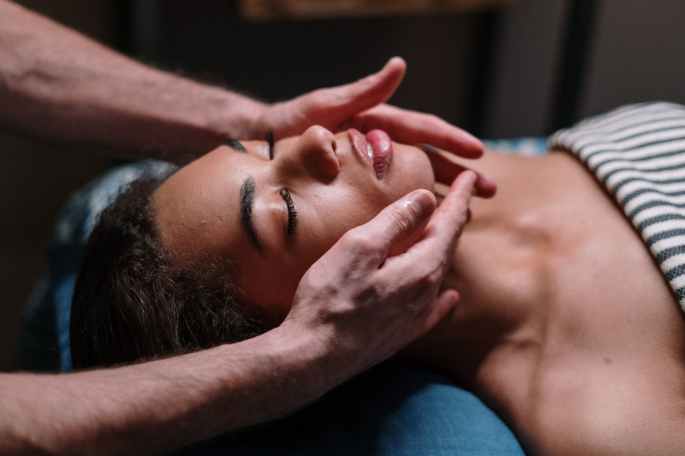
Abhyanga is a type of Ayurvedic massage that involves the use of warm oils and specialized techniques to promote circulation and detoxify the body. The oil used in the massage is usually chosen based on the individual’s body type and health needs. During the massage, the oil is applied to the body using long, gentle strokes and is absorbed by the skin. This ensures that the body is receiving essential nutrients and that toxins are being removed. Abhyanga is known to provide a wide range of benefits, including faster wound healing, a stronger immune system, and a more relaxed mind.

Why Everyone Needs An Abhyanga Massage
People who lead a high-stress lifestyle, those experiencing chronic pain, or individuals who suffer from sleeping disorders can greatly benefit from an Abhyanga session. Ayurvedic massage helps with blood circulation, which releases endorphins that promote relaxation, pain relief, and a better mood overall. Moreover, Abhyanga can help in the reduction of stress hormones like cortisol and norepinephrine, which damage your body in the long run. Abhyanga can improve your overall physical, mental health along with nourishing your skin too.

What to Expect During an Abhyanga Massage Session
Depending on your chosen location, the massage session, generally, lasts for 60-90 minutes. Before the massage starts, Dr. Sugesh, an ayurvedic specialist, will consult with you to determine the right oil to use, based on your body type and health condition. Dr. Sugesh will also advise you on the areas of your body that need more attention. During the massage, the therapist will use their hands to apply pressure to different parts of your body while simultaneously using long, gentle strokes. The session usually ends with a warm shower/bath to cleanse your body.

Cautions to Take
Individuals with wounds, skin rashes or infections must avoid having an Abhyanga massage. If you are pregnant or menstuating, Dr. Sugesh advises that you consult your gynaecologist before getting an Abhyanga massage. Dr. Sugesh will also ask you about any allergies so that he can choose the right oil for you. Moreover, if you have undergone any surgery, it’s advisable to wait for at least 6 months before getting an Abhyanga massage.


Abhyanga is an ancient therapy with incredible benefits that has stood the test of time. Scheduling a regular Abhyanga massage session with Dr. Sugesh and his staff will ensure that you receive all the benefits, like increased circulation, toxin removal, relaxation, pain relief, and an improved mental and physical health. So, what are you waiting for? Discover the ancient roots to a modern solution to self-care!

Skin & Hair

Maintaining healthy skin and hair requires more than just using generic products that promise quick results. In order to achieve a balance of both preventative and curative treatment, it’s important to consider herbal remedies. Dr. Sugesh is a specialist in herbal skincare and haircare and offers both fixed and customized treatments for optimal balance. In this blog, we will explore the importance of herbal remedies for skin and haircare and how it can improve overall health.

  1. Understanding Herbal Skincare:

Herbal remedies have been used for centuries and have shown immense benefits for the skin. Unlike commercial products, herbal remedies are free from harsh chemicals that can cause damage to the skin and hair. These remedies work in harmony with the body’s natural processes to provide a healthier and brighter complexion. They also help to soothe inflammation and can even treat conditions such as acne, eczema, and psoriasis. Dr. Sugesh specializes in herbal skincare and provides customized treatment solutions based on individual skin types.

  1. How Herbal Haircare Can Benefit:

Herbal remedies can help to improve the overall health of your hair. They address problems such as hair loss, dryness, and damage. Hair products that contain harsh chemicals can strip away the hair’s natural oils, leading to dryness and breakage. Herbal remedies help to nourish and strengthen the hair from its roots, providing a healthy and lustrous shine. Dr. Sugesh offers a variety of customized treatments including herbal hair masks, oils, and shampoos to promote healthy hair growth.

  1. The Benefits of Customized Herbal Treatments:

Dr. Sugesh offers both fixed and customized treatments depending on individual needs. Before prescribing any treatment, he conducts a thorough analysis of the skin and hair type to identify specific concerns and conditions. After identifying the cause, Dr. Sugesh comes up with personalized solutions using the right blend of herbs, oils, creams, masks, scrubs, and lotions. These customized treatments can help to improve the skin and hair’s overall health by providing essential vitamins and minerals for optimal balance.

  1. Rejuvenation and Healing:

Herbal remedies can offer both preventative and curative treatment for the skin and hair. Depending on individual needs, Dr. Sugesh can provide treatments for rejuvenation and healing. While prevention is always better than cure, curative treatment is necessary for existing skin and hair problems. Herbal remedies can help to soothe inflammation, reduce redness, and even prevent future damage. By providing the body with essential nutrients and minerals, the skin and hair can achieve a healthier and more radiant glow.

  1. The Long-Term Benefits of Herbal Remedies:

Using herbal remedies as a part of your daily skincare and haircare routine can provide long-term benefits. Unlike commercial products, herbal remedies work in harmony with the body’s natural processes to provide a healthier and brighter complexion. They help to provide essential nutrients for the skin and hair’s overall health, leading to a reduction in the signs of aging and a better overall appearance. Dr. Sugesh’s herbal skincare and haircare treatments offer a holistic approach to beauty that promotes optimal balance and long-term results.

Herbal remedies have shown immense benefits in the world of skincare and haircare. They offer both preventative and curative treatment for various conditions and can improve overall health. Dr. Sugesh’s customized treatments provide a personalized approach to beauty that promotes optimal balance for the skin and hair. Whether you’re looking to reduce the signs of aging or address existing skin and hair concerns, herbal remedies can help to achieve a healthier and more radiant glow.

Importance of Yoga, Pranayama and Meditation

In today’s fast-paced and stressful life, we all need a way to relax and rejuvenate ourselves. One of the most effective ways to do this is by practicing yoga, pranayama, and meditation. Yoga, pranayama, and meditation have been practiced for centuries and have proven to be beneficial to our physical, mental, and emotional health. In this blog post, we will discuss the importance of yoga, pranayama, and meditation and how it can improve our well-being.

  1. Yoga

Yoga is an ancient practice that involves physical postures, breath control, and meditation. Regular practice of yoga can help improve flexibility, strength, and balance. It also helps to reduce stress and anxiety by promoting relaxation and mindfulness. Yoga is known to alleviate chronic pain, improve sleep quality, and boost the immune system. There are different types of yoga styles like Hatha, Vinyasa, Ashtanga, and Power Yoga. Choose which style suits you the most.

  1. Pranayama

Pranayama is a form of breath control that involves various breathing techniques. Practicing pranayama helps to calm the mind, reduce stress, and improve concentration. It can also improve lung capacity and aid in better digestion. Nadi shodhana pranayama (alternate nostril breathing), kapalbhati pranayama (breath of fire), and bhramari pranayama (bee breath) are some of the pranayama techniques that can be practiced regularly.

  1. Meditation

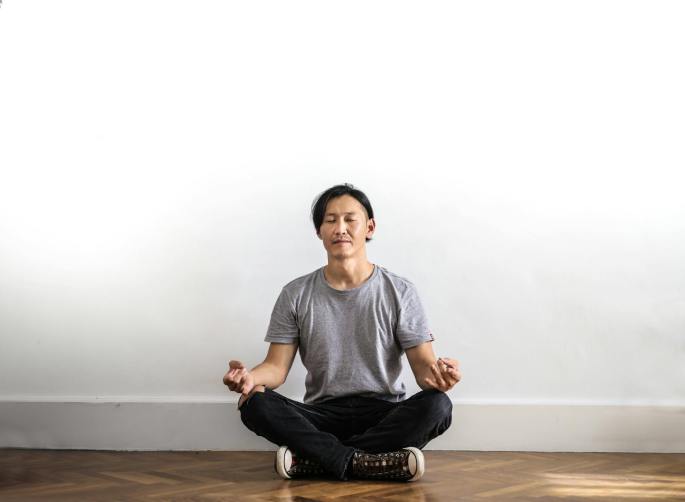
Meditation is the practice of focusing the mind on a particular object, thought, or activity to achieve a mentally clear and emotionally calm state. Meditation has been shown to reduce stress and anxiety, improve emotional stability, and improve overall well-being. Regular practice of meditation can also enhance self-awareness, increase happiness, and improve cardiovascular and immune health. There are various types of meditation techniques like mindfulness meditation, transcendental meditation, and loving-kindness meditation that can be practiced.

  1. Personalized Meditation

One unique aspect of meditation that I practice is personalized meditation. By analyzing a patient’s unique needs and constitution, I tailor a meditation practice that is suitable for them. This includes understanding the root cause of their stress and anxiety and customizing the meditation practice to address those specific issues. This approach has shown to be highly effective, and patients have reported significant improvements in their well-being after regular practice.

  1. Tips to Get Started

If you are new to yoga, pranayama, or meditation, it may seem challenging to get started. Here are some tips to help you begin:

  • Start with easy and basic practices and move gradually to advanced practices.
  • Take help of an expert or teacher if you are not sure how to get started.
  • Schedule a regular time to practice.
  • Create a peaceful environment to practice.
  • Be consistent in your practice, even if it’s for a few minutes a day.

Practicing yoga, pranayama, and meditation can significantly improve our physical, mental, and emotional health. Regular practice can help reduce stress and anxiety, improve overall well-being, and lead to a happier and more peaceful life. So, start your practice today and experience the benefits of these ancient practices. Remember, starting small and being consistent is key. Happy meditating!