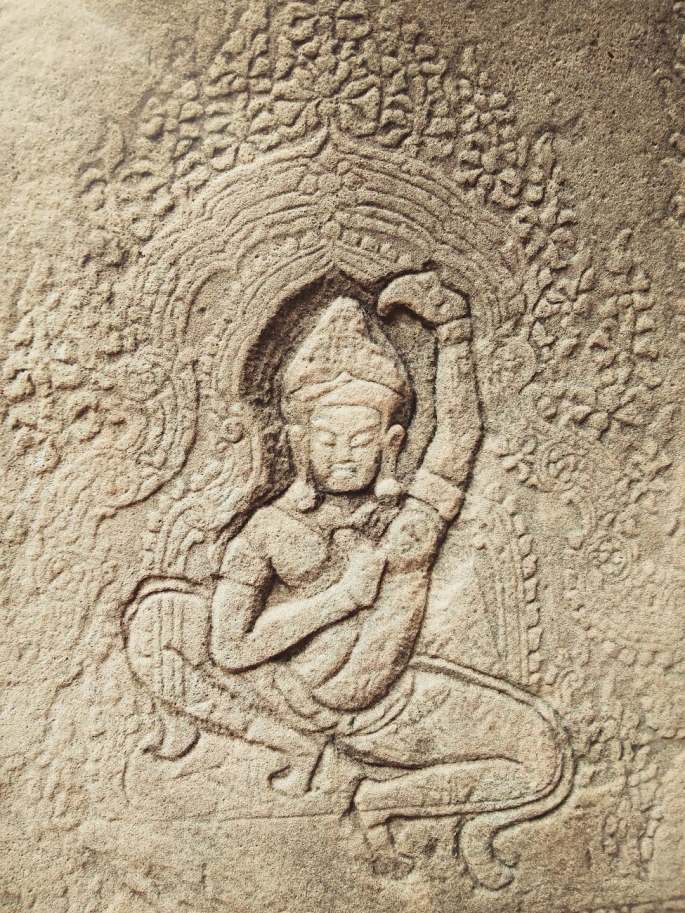
Lalitha Sahasranamam: The Divine Shield Against Malevolent Forces

In the sacred realm of Hindu spirituality, Lalitha Sahasranamam shines as a beacon of divine protection and empowerment. Revered as the hymn of a thousand names dedicated to Goddess Lalitha Tripura Sundari, this ancient scripture holds profound significance in safeguarding devotees from malevolent forces and bestowing blessings of divine grace. In this blog post, we’ll explore the mystical power of Lalitha Sahasranamam as a protective shield against black magic and how each divine name of the goddess brings unique blessings and absolves sins, instilling fearlessness in the hearts of its practitioners.

The Protective Power of Lalitha Sahasranamam: Lalitha Sahasranamam serves as a potent talisman against the dark forces of black magic and negative energies. Each divine name uttered in devotion acts as a protective shield, enveloping devotees and their families in the divine grace of Goddess Lalitha. By invoking the goddess through the recitation of her thousand names, devotees create a sacred barrier that repels malevolent influences and ensures the safety and well-being of their loved ones.

Banishing Sins and Instilling Fearlessness: The recitation of Lalitha Sahasranamam is not merely a devotional practice but a transformative journey towards spiritual purification and empowerment. Each name of the goddess carries unique blessings, bestowing devotees with virtues such as courage, wisdom, abundance, and divine grace. By chanting the thousand names of Goddess Lalitha, devotees are liberated from the shackles of sin and ignorance, embarking on a path of spiritual growth and enlightenment.

Protection Against Enemies: In the sacred verses of Lalitha Sahasranamam, devotees find solace and strength in the divine presence of Goddess Lalitha. As they immerse themselves in the rhythmic recitation of her names, they are enveloped in a cloak of divine protection that shields them from harm and ensures victory over adversaries. With the goddess as their guardian and protector, devotees need not fear enemies or malicious intentions, for her divine grace prevails over all obstacles and challenges.

Embracing Divine Grace: As devotees chant Lalitha Sahasranamam with faith and devotion, they open their hearts to receive the boundless blessings and grace of Goddess Lalitha. Through her divine names, she offers solace to the weary, strength to the weak, and protection to the vulnerable. Let us embrace the transformative power of Lalitha Sahasranamam as a sacred mantra that shields us from harm, purifies our souls, and leads us on the path of divine realization and ultimate liberation.

In the sacred verses of Lalitha Sahasranamam, devotees find not only divine protection but also spiritual elevation and empowerment. As we immerse ourselves in the rhythmic recitation of her thousand names, let us invoke the presence of Goddess Lalitha, the embodiment of divine grace and protection. May her divine shield envelop us and our families, safeguarding us from all harm and leading us towards the light of spiritual enlightenment and eternal bliss.

Theyyam: Unraveling the Mystique of India’s Divine Trance Ritual

In the heartlands of South India, amidst the verdant landscapes and vibrant culture, lies a mesmerizing spectacle that transcends time and space—the ancient ritual of Theyyam. Predating Hinduism itself, Theyyam is a mystical folk tradition that blurs the lines between the earthly and the divine, as men transform into gods and goddesses through elaborate costumes, sacred chants, and trance-induced performances. In this blog post, we’ll embark on a journey to unravel the mystique of Theyyam, exploring its origins, significance, and profound impact on the cultural tapestry of South India.

The Origins of Theyyam: Rooted in the indigenous traditions of Kerala and parts of Karnataka, Theyyam is believed to have originated over a millennium ago, tracing its roots to prehistoric animistic practices and tribal rituals. Predating the advent of Hinduism in the region, Theyyam embodies a syncretic blend of animism, shamanism, and folk religion, with influences from Dravidian and Adivasi cultures. Through its vibrant rituals and performances, Theyyam pays homage to the spirits of ancestors, deities of nature, and cosmic forces that govern the universe.

The Ritual Experience: At the heart of Theyyam lies the transformative experience of trance, wherein chosen performers—usually men from specific communities—become vessels for divine possession, embodying the spirits of gods, goddesses, and ancestral deities. Adorned in elaborate costumes, intricate makeup, and ornate headdresses, Theyyam performers undergo a ritualistic purification process before entering a state of heightened consciousness through music, dance, and sacred chants. In this transcendent state, they channel the divine energies and convey blessings, prophecies, and healing to the community gathered.

Symbolism and Significance: Theyyam embodies a rich tapestry of symbolism, mythology, and cultural significance, with each deity representing various aspects of nature, society, and spirituality. From the fierce goddess Kali to the benevolent serpent deity Nagaraja, Theyyam encompasses a diverse pantheon of deities, each with its own lore, rituals, and devotee base. Through its performances, Theyyam serves as a conduit for spiritual communion, social cohesion, and cultural preservation, fostering a deep sense of identity and belonging among participants and spectators alike.

Preservation and Revival: Despite the passage of time and the encroachment of modernity, Theyyam continues to thrive as a living tradition, upheld by dedicated practitioners, communities, and cultural organizations. Efforts to preserve and revive Theyyam have led to its recognition as an Intangible Cultural Heritage by UNESCO, shedding light on its importance as a custodian of indigenous knowledge, artistic expression, and spiritual heritage. Through festivals, performances, and educational initiatives, Theyyam serves as a potent symbol of resilience, resistance, and cultural continuity in an ever-changing world.

As we delve into the mystical realm of Theyyam, we are transported to a realm where gods walk among mortals and the boundaries between the seen and unseen blur into oblivion. Through its mesmerizing performances, profound symbolism, and cultural resonance, Theyyam stands as a testament to the enduring spirit of India’s folk traditions and the timeless quest for spiritual transcendence. Let us celebrate the magic of Theyyam, honoring its legacy as a bridge between the earthly and the divine, and embracing its profound wisdom and beauty for generations to come.

Aṣṭāṅga Hṛdaya: Bridging Ancient Wisdom

Ayurveda, the science of life, has been a trusted source of knowledge and practice for thousands of years in India. Its roots go back to the Vedic era, and over time it has evolved into a comprehensive system of healthcare and well-being. The Bṛhat Trayī, consisting of the three main Ayurvedic texts – Caraka Samhita, Suśruta Samhita, and Aṣṭāṅga Hṛdaya – serves as the foundation of Ayurveda.

Aṣṭāṅga Hṛdaya, also known as the “Heart of Ayurveda,” was compiled by the master Ayurvedic physician Vāgbhaṭa. This text serves as a bridge between Caraka Samhita and Suśruta Samhita, synthesizing their principles into a harmonious narrative that enriches our understanding of Ayurveda. The unique contribution of Aṣṭāṅga Hṛdaya is reflected in the fresh perspectives it offers on key concepts, providing a nuanced understanding of Ayurvedic principles.

A comparative analysis of the Bṛhat Trayī reveals a shared foundation of principles such as Tridoṣa and Saptadhātu, which form the basis of Ayurvedic practice. Recognizing the unique contributions of each text allows practitioners to appreciate the diverse approaches to diagnosis, treatment, and overall healthcare. The harmonization of these different perspectives is an important aspect of Ayurvedic wisdom.

The timeless principles of the Bṛhat Trayī find practical applications in modern healthcare. Integrating these principles into contemporary practices allows for a holistic and personalized approach to well-being. The individualized approach emphasized in Bṛhat Trayī aligns with the growing trend of personalized medicine, reflecting a profound understanding of the uniqueness of each individual’s constitution. By incorporating these principles into modern healthcare, we can provide patients with a personalized plan that addresses their specific needs.

The Bṛhat Trayī is a treasure trove of Ayurvedic wisdom that serves as the foundation of Ayurvedic practice. Aṣṭāṅga Hṛdaya, the bridge between Caraka Samhita and Suśruta Samhita, synthesizes their principles into a harmonious narrative that enriches our understanding of Ayurveda. By recognizing the shared foundation and diverse approaches of the Bṛhat Trayī, we can integrate its teachings into modern healthcare, providing patients with a holistic and personalized approach to well-being. As Ayurvedic practitioners, it is our responsibility to nurture this ancient wisdom and utilize it to improve the health and well-being of our patients.

The Timeless Wisdom of Ayurveda’s Bṛhat Trayī

Ayurveda is a system of medicine that has been practiced for over 5,000 years. At the heart of Ayurveda’s knowledge lies the Bṛhat Trayī – the three primary texts that weave together the intricate tapestry of this time-honored tradition. The Caraka Saṃhitā, Suśruta Saṃhitā, and Aṣṭāṅga Hṛdaya, collectively known as Bṛhat Trayī, provide a comprehensive view of Ayurveda’s principles and practices.
Caraka Saṃhitā: Nurturing the Sūtras of Health
The Caraka Saṃhitā is one of the oldest and most important texts in Ayurveda. It lays the foundation for the practice of Ayurveda and provides a profound understanding of the human body. This text emphasizes the concept of Tridoṣa, the three fundamental energies governing our physiology and psychology. Understanding the delicate balance of Vāta, Pitta, and Kapha is central to maintaining optimal health. Tridoṣa is the key to diagnosing and treating disorders. Every individual has a unique balance of these three energy types, and the Caraka Saṃhitā teaches practitioners how to balance them in each individual.

Saptadhātu Symphony:
The Caraka Saṃhitā introduces the Saptadhātu doctrine, which is the idea that there are seven tissues representing successive stages of nutrient transformation within the body. These tissues are responsible for nourishing the body and serve as a guide to understanding the holistic nature of our bodily systems. The doctrine of Saptadhātu teaches practitioners how to diagnose and treat diseases at their root. Practitioners can use this doctrine to identify problems with the tissues of the body and restore them to a healthy state.

Trimala Unveiled:
The Caraka Saṃhitā’s wisdom extends to the Trimala concept, which emphasizes the importance of three waste products – Mala, Mutra, and Śeṣa – in the detoxification process. Detoxification is a cornerstone of preventive medicine in Ayurveda. Proper elimination of these waste products helps to remove toxins and prevent disease. The Trimala concept further guides practitioners on how to maintain healthy digestion, assimilation of food, and elimination of waste products.

Suśruta Saṃhitā: The Art of Healing and Surgery
The Suśruta Saṃhitā is a text that transcends beyond theoretical knowledge, offering practical insights into anatomy, embryology, and surgical techniques. This ancient text showcases the advanced surgical skills possessed by Ayurvedic scholars. It describes a variety of surgical techniques for different conditions, including hernias, tumors, and fractures. Practitioners of Ayurveda still use many of these techniques to this day, which highlights the enduring relevance of the Suśruta Saṃhitā.
The Bṛhat Trayī – the Caraka Saṃhitā, Suśruta Saṃhitā, and Aṣṭāṅga Hṛdaya – are the primary texts of Ayurveda. They provide invaluable knowledge and insights into the practice of Ayurveda. The Caraka Saṃhitā forms the foundation of Ayurveda, providing a deep understanding of Tridoṣa, Saptadhātu, and Trimala. The Suśruta Saṃhitā offers practical knowledge about surgical techniques that remain relevant to this day. The knowledge in these texts continues to inspire practitioners worldwide, aiding them in providing healing and wellness services to those in need. Ayurveda’s Bṛhat Trayī is a timeless treasure that will continue to guide us for generations to come.

Understanding the Elements of the Mind in Ayurveda

Ayurveda is an ancient Indian system of medicine that emphasizes the balance of mind, body, and spirit. One of the key principles of Ayurveda is the concept of Prakriti, or the individual constitution. Prakriti is believed to be determined by three doshas, or life energies, which are Vata, Pitta, and Kapha. However, Prakriti also arises from the three elements of the mind: Buddhi, Manas, and Ahamkara. Furthermore, Samkhya philosophy, which underpins Ayurveda, describes an additional 20 elements that contribute to the human experience.

The first element of the mind in Ayurveda is Buddhi, also known as the higher mind. Buddhi is considered to be the seat of intuition, self-awareness, and higher consciousness. It is responsible for helping us connect to our innermost selves and the world around us. In Ayurvedic philosophy, Buddhi is associated with the Air element, which represents lightness and movement. Building a strong connection to Buddhi is believed to lead to greater clarity, wisdom, and spiritual insight.

The second component of the mind is Manas, or the lower mind. This is the part of the mind that is responsible for rational thinking, perception, and association. Manas helps us process information from the world around us, identify patterns and connections, and make sense of our experiences. In Ayurveda, Manas is linked to the Water element, which represents fluidity and adaptability. To cultivate a healthy Manas, it is essential to engage in mental exercises such as meditation, mindfulness, and positive affirmations.

The third element of the mind, Ahamkara, is translated as the ego or identity. It is the part of the mind that helps us distinguish ourselves from others and identify with our own unique experiences and attributes. Ahamkara is considered to be related to the Fire element, which symbolizes transformation and passion. While Ahamkara can be healthy in moderation, allowing us to have a strong sense of self and purpose, excessive attachment to the ego can lead to imbalance and suffering.

Samkhya philosophy also includes 20 additional elements that contribute to the human experience. The Jnanendriyas, or sensory organs, include hearing, touch, vision, taste, and smell, while the Karmendriyas, or organs of action, include speech, hands, feet, reproductive organs, and excretory organs. The Tanmatras, or subtle senses, are associated with sound, touch, form, taste, and smell. Finally, the Mahabhutas, or five elements that make up the material world, are Earth, Water, Fire, Air, and Space. Understanding the interplay of these elements can help us better understand our experiences and how to achieve balance in all aspects of our being.

The elements of the mind play a critical role in Ayurvedic philosophy. Buddhi, Manas, and Ahamkara each serve unique purposes, allowing us to connect to our inner selves, process information from the outer world, and form identities. Understanding these elements can help us cultivate greater self-awareness, spiritual insight, and mental wellbeing. Additionally, the 20 elements described in Samkhya philosophy provide a more comprehensive understanding of the human experience and the interplay of different factors that contribute to our sense of self and our connection to the world around us. By working to balance these elements, we can unlock greater levels of health, happiness, and fulfillment in our lives.

Deepening our awareness through Ayurveda is life changing.

I am available for online appointments.

May God Bless You,

Dr. Sugesh

Uncovering the Journey of Ashtanga Hridayam

Ashtanga Hridayam, a well-known ancient Indian text on Ayurveda, has been widely used and recommended even today. The text is said to be written in the 6th century AD, by an Indian sage named Vagbhata. Ashtanga Hridayam consists of 120 chapters and is one of the major texts of Ayurveda. Ayurveda, which translates as ‘the science of life,’ is an ancient Indian system of traditional medicine. It is based on the belief that health and wellness depend on its balance, which is maintained by treating the root cause rather than just treating the symptoms.

As we journey through the text, we’ll discover the key principles and concepts that make Ashtanga Hridayam so highly regarded. We’ll also explore its relevance and how it can benefit our modern-day lives.

Ashtanga Hridayam covers a wide range of topics, including diet, lifestyle practices, medicinal herbs, philosophy, and yoga. The text is written in Sanskrit, but it has been translated into various languages and is now gaining worldwide recognition for its insightful teachings and practical applications.

One of the unique features of Ashtanga Hridayam is its concise and straightforward language. Vagbhata, the author, made sure that the text was accessible to everyone, not just scholars or experts. He wrote it in a way that anyone could understand, which has made it a popular choice for people new to Ayurveda.

The book is divided into six sections, and each section addresses different aspects of Ayurveda. The first section, Sutrasthana, covers fundamental concepts such as the three doshas (vata, pitta, and kapha), the six tastes, and the seven tissues. These concepts are fundamental to Ayurveda and help us understand the body’s natural constitution and how it affects our overall well-being.

The second section, Nidanasthana, covers the diagnosis of diseases. Ayurveda believes that the root cause of disease lies in the imbalance of the doshas, which, if not treated properly, can lead to a host of health problems. This section teaches us how to identify and diagnose diseases and comes with a list of herbs and remedies to treat them.

The third section, Vimananasthana, deals with the management of diseases. It provides guidelines for creating a healthy lifestyle and diet to ensure the proper balance and harmony of the doshas in the body. This section is essential to maintain a healthy life, and it clearly lays out the steps needed to achieve it.

The fourth section, Sharirasthana, covers the anatomy and physiology of the human body. It offers detailed information on the organs and systems of the body and how they function. This section is vital for anyone who is interested in understanding their body and how they can take care of it.

The fifth section, Indriyasthana, deals with the sense organs and offers guidelines on how to care for them. Ayurveda believes that the sense organs are the gateway to the mind and soul and must be protected and nourished. This section teaches us how to take care of our senses, avoid harmful practices, and maintain overall sensory health.

The final section, Chikitsasthana, deals with the treatment of diseases. It focuses on using herbal medicines, diet, yoga, and other natural or holistic treatments to restore balance and harmony in the body.

Ashtanga Hridayam is a valuable text that offers a comprehensive and holistic approach to health and wellness. Its teachings are still relevant today, and its principles can be applied to modern-day life. Whether you are new to Ayurveda or have been practicing it for many years, Ashtanga Hridayam has something to offer everyone. By embracing its teachings and incorporating them into our daily lives, we can experience a state of balance and harmony that leads to a healthier and happier life.

The Spiritual Guide to Ashtanga Hridayam

Ashtanga Hridayam is a compilation of Ayurvedic knowledge from the previous two great treatises, Charaka Samhita and Susruta Samhita, which were written in Sanskrit. There are eight parts (“Ashtanga”) in the foundational structure of this Ayurvedic wisdom text. Each section covers various aspects of life, from hygiene to nutrition, from diagnosis to treatment. One of the most beneficial aspects of Ashtanga Hridayam is that it offers a comprehensive understanding of what ‘health” really means.

As we know, the principle of Ayurveda is based on three energies, known as doshas (Vata, Pitta, Kapha), they remain the foundation of Ayurveda healing and treatment. Understanding the mindfulness of each dosha is crucial in Ayurvedic care. Ashtanga Hridayam brings together the essential knowledge of these doshas, the mind, and the senses, ultimately creating a holistic approach to a balanced life.

The teachings in Ashtanga Hridayam emphasize that the human body is an extraordinary machine capable of healing itself when given the right guidance. Ayurveda describes the body as a product of the universe’s five elements – air, water, fire, earth, and ether. When all five elements are aligned, a person is in excellent health. Still, when any disturbance occurs, it affects the balance of elements, leading to disease. Ayurveda adopts a personalized healing approach, and Ashtanga Hridayam respects that individual differences require various treatment approaches.

The section of Ashtanga Hridayam, known as Sutrasthana, discusses the vital role that food plays in our wellbeing. The text highlights a simple truth – food is medicine. Ayurveda considers food as a significant part of mind-body healing, and it is essential to eat a balanced, nutritious diet to maintain ideal health. Ayurveda also emphasizes the importance of mindful eating, recognizing that it is not just what we eat, but how we eat that plays a crucial role in overall wellness.

The section on Nidanasthana is more diagnostic, aimed to identify the cause of the disease. It outlines the art of observation through the analysis of the patient’s symptoms, behaviors, and other characteristics. By observing and listening to the patient, the practitioner can deepen their understanding of the root cause of the problem, allowing for personalized treatment. By understanding this approach to diagnosis, one can see that Ashtanga Hridayam has a holistic healing process that takes into account the individual’s mind, body, and soul’s health.

Ashtanga Hridayam is undoubtedly a treasure of Ayurveda philosophy. The treatise successfully integrates Ayurvedic principles with spiritual teachings, and guides individuals to transforming their lifestyle in a way that balances the body and mind. It explains how prevention is always better than cure, and the importance of personalizing care through the understanding of doshas, mindfulness, and other factors. Learning from this treatise can help individuals take control of their life, make conscious decisions and awaken to a higher level of wellbeing. The more you learn about yourself through Ashtanga Hridayam, the more you can reconnect with your mind, body, and soul, achieving a healthier and more balanced life.

Schedule a consultation with me today!

THE IMPORANCE OF AYURVEDA AND AYURVEDIC MEDICINE IN MODERN LIFE 

Ayurvedic medicine is a way of life, it is an art of living. This practice of Ayurveda began 5000 years ago in India and is still prevalent around the world -shaping,enchanting the lives of many people.


Ayurveda, known as the Sister Science of Yoga, is one of the most renowned traditional systems of medicine that has evolved  into a comprehensive healthcare management system. The earliest recorded  texts called vedas, describe the transfer of this knowledge from Gods to sages, then sages to the doctors.


In the last two years,the rampant spread of COVID-19 across the world has brought into perspective the fragility of our health care system. It has also gone through a monumental transition with individuals moving from modern medicine to alternative methods of treatment and holistic way of living.


Incorporating Ayurveda into modern lives improves the quality of life, western medicines focus on the treatment and management of disease while Ayurveda concentrates on the prevention of disease. Recent studies show that around 38%of an adult’s in the U.S. use CAM treatments like acupuncture, herbs, nutrition, massage, and Ayurveda. Modern medicine and therapies have limitations when it comes to curing chronic and lifestyle conditions. As a result, the healthcare industry has been in the quest of making the health ecosystem more inclusive, holistic and affordable. These approaches have recently brought Ayurveda into the limelight again.


Ancient alternative medicine systems like Ayurveda often take a backseat especially in modern times. Allopathy and quick-fix remedies are common as they tend to offer fast solutions to health issues.with people busier than ever and fast lifestyles the norm,many of us don’t seem to want to put in the time and effort for holistic results.

HOW DOES MODERN LIFE AFFECT HEALTH
Lifestyle is an essential factor when it comes to our health. An unhealthy lifestyle can lead to disability, illness, and even death. Recent medical reports show a rise in issues like joint and skeletal problems, metabolic diseases, obesity, and hypertension. Some of the various modern lifestyle habits that affect our health.
In the fast-placed modern lifestyle, food has also become fast.people don’t find time to cook or eat meals together. They eat fast foods and frozen foods that are loaded with  preservatives, which in turn give rise to unwanted afflictions and diseases.
Modern life styles is just like race, nobody had time for self-care. It’s not just a silly issue but a fact that the modern lifestyle may cause serious health issues in human.because of the lack of time, everyone tends to take medication under allopathy which can cause side on the human body.
According to a study conducted by WHO, around 60%-85% of the world’s population do not engage in any kind of physical activity. Technology and the inactive modes of transport have made people lazy and increased the rate of a sedentary lifestyle.Modern lifestyle aspects such as computer screens, mobile phones, and longer commutes have blurred the line between personal time and work contributing to sleep deprivation. A minimum of seven hours of seven hours of sleep is required to maintain a healthy lifestyle.


AYURVEDA IMPROVES THE QUALITY OF YOUR DAILY LIFE
According to Ayurveda, the human body comprises Tridoshas or three primary functioning energies, vata dosha, kapha dosha and pitta dosha. Even though the same Tridoshas are present in every human being,the optimum level of these doshas differs from according to the bodys constitution. The Ayurvedic lifestyle helps reduce,restore,and maintain the optimum levels with natural remedies and treatments.
Ayurvedic treatments and remedies are built using ancient knowledge and complex compositions that can be easily incorporated into your life. These treatments and remedies have been in use since ancient times in various forms like Ayurvedic oils,Ayurvedic herbs, powders, pills, eye drops, balms, etc. These remedies are easily accessible, hassle-free, and can be easily adapted to your stressful modern lifestyle.


WHAT ARE THE HEALTH BENEFITS OF AYURVEDA?
According to Ayurveda experts, the traditional medicine system provides important insights into the understanding and management of diseases in the contemporary world. It puts great emphasis on the psychological state in the prevention and management of diseases. Here are some of the primary benefits of Ayurveda for physical and mental health.


1. Ensure better health at a cellular level-According to a study published in the National center for Biotechnology information, Ayurveda can help on a cellular level and has the potential to regenerate cells. It has been indicated that human bodies have the power to heal themselves of certain ailments, simply through the way we treat our bodies.


2. Lowers blood pressure and cholesterol-Most modern lifestyle diseases arise from high blood pressure and plaque buildup. The formation of cholesterol and fats in the inner lining of the arteries results in plaque. This is the root cause of heart attacks and strokes. Ayurvedic diets and relaxation techniques help reduce plaque buildup and prevent immunity related diseases. Ayurvedic herbs and essential oils also help improve blood flow and circulation while drawing out toxins from the body.


3. Improves digestion and reduces inflammation-root cause of many diseases began with inflammation due to bad digestion and unhealthy earring routines.Ayurvedic diets and treatments activate the digestive system during the right times of the day,resulting in a reduced toxic build-up in the digestive tract .This prevents the body from feeling lethargic and increases energy levels.


4. Helps in weight loss management-In Ayurveda,weight is not necessarily a major concern but it emphasizes healthy eating habits that help shed excessive body fat.correct dietary restrictions through Ayurveda allow the body to detox and make it possible toyi achieve a toned body.


5. Reduces stress -Today the fast-paced and sedentary lifestyle leaves no scope for the body to relax and rejuvenate.Ayurvedic herbal treatments and massage along with the regular practice of yoga,breathing exercises,and massages guarantee a reduction in stress and anxiety.These practices also allow the body to calm down, detoxify and rejuvenate.


6. Cleanses the body-in Ayurveda, panchakarma is the practice to remove toxins from the body through five different techniques. The administration of these techniques in the body allows the elimination of toxins that interfere with our body functions. A cleaned body, in turn, improves physical and mental health.


7. Ayurveda and Emotional wellbeing-A person’s psychological characteristics are determined based on the three bodily humors. Any change in their levels affects the individual’s mental health and well being. Ayurvedic herbs such as nootropic herbs are being studied for their properties that support congestive functions.


8. Ayurveda and immunity-Ayurveda offers various kinds of Ayurvedic ingredient’s and home remedies that can be incorporated in to our daily lives for strong and better immunity. Herbal devotions or Kadha are made from herbs like Tulasi or Basil, pepper, Dalchini or cinnamon, and shunti or dry ginger. These Ayurvedic herbs can be consumed in the form of tablets, powders, or jams as Chyawanprash.


9. Exploring Ayurvedic knowledge on Food and Health-Ayurvedic diet can be vegetarian and non vegetarian. The portion or size of the diet for each individual should be customized according to their doshas (body constitution) and agnibal (digestive power).
Since there are innumerable varieties of foods available, they are innumerable varieties  of foods available, they are categorized based on their actions on the individual and are determined by their qualities such as virya (potency), ras (taste), prabhav (pharmacological effect), and vipak (digestive effect). Hence, as per Ayurveda, food is classified based on its effects and properties of on digestion.


Ayurvedic products
Here’s and spices are among the top ingredients used to make Ayurvedic items.These include ashwagandha for stress and sleep, triphala for flatulence and constipation, brahmin for attention and memory, and cardamom for lowering blood pressure.It’s important to remember that while items are marketed as being natural, there are those that are adulterated with toxic metals.The best Ayurvedic products are organic and comply with safety standards, so always check the manufacturer’s certification and read the ingredients carefully-especially when buying Ayurveda products online.


Ayurvedic Health Assessment
If you’re ready to start discovering the importance of Ayurveda-and experience how it can change your life-you should begin with a health assessment by a reputable Ayurvedic Practitioner. This involves providing a detailed health and lifestyle history, an examination of your eyes, lips, skin, nails and tongue as well as pulse reading. These give me a detailed insight into your physical and mental health so they can create a treatment plan just for you.

Tracing the Roots of Ayurveda: A Journey Through Time

Ayurveda, which means the science of life, has been a part of the Indian subcontinent for more than 5000 years. Originating from the Vedic texts and deriving concepts from the Hindu mythology, Ayurveda is an ancient form of medicine that has attracted the world for its natural approach towards health and wellness. But how exactly did Ayurveda emerge? Who were the pioneers who propagated its principles? In this blog, let us take a walk down the path of history as we trace the roots of Ayurveda and discover its rich heritage.

According to Hindu mythology, Lord Brahma created Ayurveda and imparted the knowledge to Daksha Prajapati, who in turn passed it on to Ashwini Kumar, the celestial physicians of Inanda. It is said that Ayurvedic principles were followed even during the Sat Yuga in India. However, the first known developments in Ayurvedic medicine began in the Treta Yuga by Divodasa Dhanwantari, who wrote about the school of surgery during the 9-6 century BCE.

The most widely known and acclaimed Ayurvedic text in the world, the Sushrut Samhita, was written in the 5th-4th century BCE by a brilliant surgeon named Sushrut. He not only explained about general surgery but also included complex surgeries such as brain surgeries and cataract surgeries in his text. Another important Ayurvedic pioneer was Kashyap, a physician from the Dwapar Yuga, who specialized in obstetrics and gynecology.

Bharadwaj, who is hailed as the human father of Ayurvedic medicine, was also from Dwapar Yuga. He was a scholar and a practitioner who significantly contributed to the propagation of Ayurveda. His disciple, Atreya, developed the school of physicians during 8-6 century BCE, and wrote the famous Charak Samhita in the 1st century CE.

In the 8th century CE, the Ashtanga Hridayam, written by Vagbhata, provided holistic knowledge on Ayurveda, including surgery, medicines, and diet. In the 9th century CE, Madhavakara wrote a book called the Madhava Nidan, which talked about the diagnosis of diseases in detail. The Sharangadhara Samhita, compiled by Sharngadhara in the 13th century CE, became famous for its recipes for Ayurvedic medicines.

It was in the 14th century CE the use of mercury was first recorded in Ayurvedic medicine. This revolutionary step led to the discovery of the Rasashastra, which dealt with metals and minerals as medicinal substances. Bhavamishra, who wrote Bhavaprakasha in the 16th century CE, categorized the Ayurvedic medicines based on their actions on the human body.

From the mythical origins to the earliest practitioners and physicians, the history of Ayurveda is rich, diverse, and fascinating. It has endured over millennia and continues to be an integral part of Indian culture. The roots of Ayurveda have been traced to various periods of human civilization, and it stands as a testament to the insight and wisdom of our ancestors. As we appreciate the depth of knowledge that Ayurveda has to offer, let us also marvel at the journey it has taken to reach us.