Going Beyond the Surface: Understanding the Law of Attraction with Ayurveda

The Law of Attraction has become a buzzword in contemporary spiritual circles, often misinterpreted and simplified by the new-age culture. It is essential to acknowledge that the authentic and transformative teachings of this realm lie in Ayurveda, a wisdom that provides a profound understanding of mind, body, and spirit’s intricate balance.

  1. Defining the Law of Attraction: The Law of Attraction is a concept that suggests that our thoughts and emotions determine the reality we experience. In other words, what we focus on is what we attract into our lives. However, this concept often oversimplifies the idea and neglects the complexity of its application. Ayurveda offers a more comprehensive understanding of the Law of Attraction, emphasizing the importance of balance and alignment within the body, mind, and spirit. It is not just a matter of thinking positive thoughts, but it’s a holistic approach to life that includes physical and mental practices to aid in removing blockages.
  2. Inner Work and Manifestation: The idea of manifestation is often confused with new age concepts of instant gratification. Many people believe that it’s enough to visualize their desires and wait for them to come true. However, Ayurveda teaches that manifestation goes beyond visualization and positive thinking. Manifestation is a result of the personal transformation that happens as we align ourselves with the universe’s natural laws. Ayurveda prioritizes inner work as the foundation of manifestation, emphasizing the importance of daily practices that help us develop awareness, self-inquiry, and inner growth.
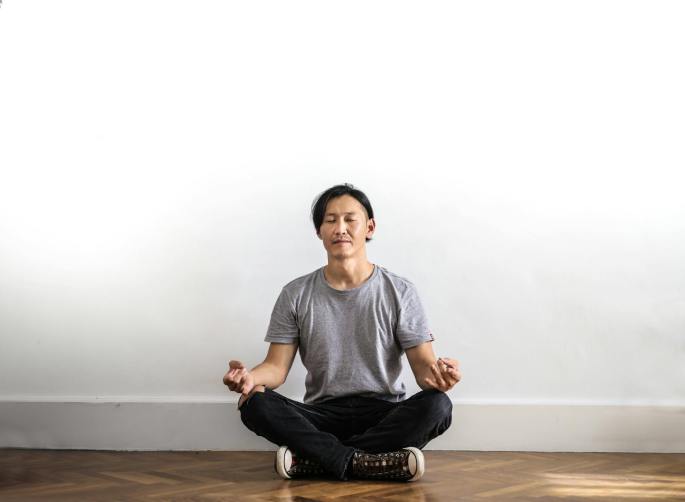
  3. Mind-Body Connection: Ayurveda’s teachings are rooted in the understanding of the mind-body connection. The Vedic texts believed that the mind and body are interconnected, and one affects the other. This concept implies that physical well-being is not only the absence of illness but a state of balance and harmony between the mind, body, and soul. Therefore, Ayurveda incorporates practices such as yoga, meditation, and mindfulness into its teachings, acknowledging their tremendous impact on mental and physical health.
  4. Authentic Transformation: The goal of Ayurveda is to achieve authentic transformation, which provides long-lasting results and changes the way we experience life. Unlike new age practices that might offer short-term changes or instant gratification, Ayurveda is a lifetime commitment to self-growth, health, and happiness. Ayurveda teaches that we must dive deep into our inner selves, identifying our true nature, and making conscious decisions that align with our goals and values.
  5. Applying Ayurveda’s teachings to Law of Attraction: Ayurveda can help us understand and apply the Law of Attraction authentically. Instead of relying on quick fixes or superficial affirmations, we can develop a deep understanding of ourselves and the universe, align our thoughts, emotions, and actions with our intentions, and welcome abundance and prosperity with a grateful heart.

The Law of Attraction is a concept that has been widely popularized in new-age circles, often misunderstood and oversimplified. Ayurveda offers a profound and holistic understanding of this concept, incorporating practices that lead to genuine transformation and authentic manifestation. By prioritizing inner work, mindfulness, and balance, we can apply the Law of Attraction in a way that respects the complexities of life, and brings lasting happiness, health, and success.

Blessings,

Dr. Sugesh

Ayurveda’s Approach to Combatting Stress, Anxiety, Loneliness, Depression, and Fear

We all experience stress at some point in our lives, and for some people, it can become excessive or chronic, leading to anxiety, loneliness, depression, and fear. In Ayurveda, we believe that our health and well-being are interconnected and that we must treat the root of the problem to restore balance.

When we experience stress, our body enters a fight-or-flight response, leading to decreased digestion and metabolism, and weakened immunity. Ayurveda believes that our digestive system, also known as Agni, is essential to our overall health and well-being. It’s our ability to digest our food, thoughts, and emotions that determine how we experience the world around us. When our Agni is strong, our body can absorb nutrients efficiently, eliminate toxins, and produce a vital essence called Ojas.

Ojas is the essence of vitality, immunity, and longevity in Ayurveda, and it’s what helps us combat stress, anxiety, loneliness, depression, and fear. When our Ojas is strong, we feel content, calm, and resilient, even in the face of adversity. In contrast, when our Ojas is depleted, we become more prone to physical and mental health issues.

Ayurveda looks beyond food and into our psyche to understand how our internal world affects our health and well-being. Ayurveda believes that our sense of sight, hearing, taste, smell, and touch impact the quality of our overall life experience. What we see, hear, taste, and smell around us influences our emotions, thoughts, and even our physiology. Ayurveda encourages us to engage with our five senses in ways that uplift and nourish our soul.

To help combat stress, anxiety, loneliness, depression, and fear, Ayurveda recommends incorporating practices such as daily meditation, pranayama (breathing exercises), yoga, and self-care routines that bring us joy and relaxation. These practices can help soothe our nervous system and encourage the production of Ojas, strengthening our ability to cope with life’s challenges.

Ayurveda offers a holistic approach to combatting stress, anxiety, loneliness, depression, and fear. By addressing the root cause of these mental and emotional health issues, we can become more resilient and better equipped to handle life’s challenges. By prioritizing our self-care routines, engaging with our five senses consciously, and incorporating Ayurvedic practices into our daily routine, we can learn to nourish our soul and cultivate vital essence, helping us live a more balanced and fulfilling life.

Please call me to schedule and appointment.

Namaste,

Dr. Sugesh

Importance of Yoga, Pranayama and Meditation

In today’s fast-paced and stressful life, we all need a way to relax and rejuvenate ourselves. One of the most effective ways to do this is by practicing yoga, pranayama, and meditation. Yoga, pranayama, and meditation have been practiced for centuries and have proven to be beneficial to our physical, mental, and emotional health. In this blog post, we will discuss the importance of yoga, pranayama, and meditation and how it can improve our well-being.

  1. Yoga

Yoga is an ancient practice that involves physical postures, breath control, and meditation. Regular practice of yoga can help improve flexibility, strength, and balance. It also helps to reduce stress and anxiety by promoting relaxation and mindfulness. Yoga is known to alleviate chronic pain, improve sleep quality, and boost the immune system. There are different types of yoga styles like Hatha, Vinyasa, Ashtanga, and Power Yoga. Choose which style suits you the most.

  1. Pranayama

Pranayama is a form of breath control that involves various breathing techniques. Practicing pranayama helps to calm the mind, reduce stress, and improve concentration. It can also improve lung capacity and aid in better digestion. Nadi shodhana pranayama (alternate nostril breathing), kapalbhati pranayama (breath of fire), and bhramari pranayama (bee breath) are some of the pranayama techniques that can be practiced regularly.

  1. Meditation

Meditation is the practice of focusing the mind on a particular object, thought, or activity to achieve a mentally clear and emotionally calm state. Meditation has been shown to reduce stress and anxiety, improve emotional stability, and improve overall well-being. Regular practice of meditation can also enhance self-awareness, increase happiness, and improve cardiovascular and immune health. There are various types of meditation techniques like mindfulness meditation, transcendental meditation, and loving-kindness meditation that can be practiced.

  1. Personalized Meditation

One unique aspect of meditation that I practice is personalized meditation. By analyzing a patient’s unique needs and constitution, I tailor a meditation practice that is suitable for them. This includes understanding the root cause of their stress and anxiety and customizing the meditation practice to address those specific issues. This approach has shown to be highly effective, and patients have reported significant improvements in their well-being after regular practice.

  1. Tips to Get Started

If you are new to yoga, pranayama, or meditation, it may seem challenging to get started. Here are some tips to help you begin:

  • Start with easy and basic practices and move gradually to advanced practices.
  • Take help of an expert or teacher if you are not sure how to get started.
  • Schedule a regular time to practice.
  • Create a peaceful environment to practice.
  • Be consistent in your practice, even if it’s for a few minutes a day.

Practicing yoga, pranayama, and meditation can significantly improve our physical, mental, and emotional health. Regular practice can help reduce stress and anxiety, improve overall well-being, and lead to a happier and more peaceful life. So, start your practice today and experience the benefits of these ancient practices. Remember, starting small and being consistent is key. Happy meditating!

Ayurveda and Adaptive Change: A Holistic Approach to Health

Ayurveda is an ancient Indian system of medicine that dates back thousands of years ago. It is a holistic approach that emphasizes the balance of the mind, body, and spirit. Ayurveda offers a unique perspective on health and healing, viewing each individual as unique and therefore requiring a personalized approach to treatment. Ayurveda is not just for the treatment and cure of diseases but is also for maintaining optimum health in a preventative approach. The therapies used by Ayurveda for prevention and care are the same. In this blog post, we will discuss Ayurveda’s perspective on adaptive change for a healthy lifestyle.

Ayurveda believes in the role of adaptive change for the maintenance of good health. It recognizes that nothing stays constant, and changes are an intrinsic part of life. Therefore, it is necessary to adapt to these changes to maintain optimal health. For instance, if there is a change in seasons like winter to summer, our body’s internal environment also changes along with it. Ayurveda recommends adapting our diet, lifestyle, behavior, and daily routine to this change. In this way, it prevents the accumulation of toxins in the body that may lead to diseases.

Ayurveda uses a holistic approach towards prevention and treatment. It includes Panchakarma, a rejuvenation therapy that detoxifies the body and strengthens the immune system. The Panchakarma procedure employs five different purification processes that eliminate the accumulated toxins from the body. Ayurveda also includes nutrition as part of its therapeutic approach towards adaptive change. A diet plan that suits the individual’s unique constitution is prescribed to maintain optimum health.

Ayurveda believes in the power of yoga, pranayama, and meditation to prevent and treat diseases. Yoga helps in creating physical and mental balance and brings about peace of mind. It also helps to strengthen the immune system and improve overall health. Pranayama techniques help in bringing about the balance of the doshas, and meditation helps in reducing stress and anxiety.

Chakra therapy is another powerful tool in Ayurvedic healing. Chakras are the energy centers in the body that interact with our physical, mental, and emotional well-being. Chakra therapy helps in aligning and balancing these energy centers. Ayurveda also believes in natural skin and hair treatments that use everyday ingredients like aloe vera, henna, coconut oil, and turmeric. Meditation, massage (abhyanga), and stress management techniques help in reducing stress levels, maintaining mental balance, and promoting good sleep hygiene.

Ayurveda medicine is personalized and tailored to each individual’s unique constitution and medical history. It includes herbal supplements, Ayurvedic formulations, and mineral preparations that are prescribed based on the individual’s unique needs. Ayurvedic medicine is gentle and natural. It works in harmony with the body to promote healing and balance.

In conclusion, Ayurveda is a holistic approach to health and emphasizes the importance of adaptive change for optimal health. Ayurveda is used for both preventative and curative care, and the therapies used for prevention and care are the same. Ayurveda recognizes that every individual is unique and therefore requires a personalized approach to treatment. Ayurveda uses a combination of lifestyle changes, nutrition, yoga, meditation, chakra therapy, natural skin and hair care, massage, and stress management techniques to prevent and treat diseases. The holistic approach of Ayurveda provides a long-term solution to maintaining optimum health through adaptive change.