THE IMPORANCE OF AYURVEDA AND AYURVEDIC MEDICINE IN MODERN LIFE 

Ayurvedic medicine is a way of life, it is an art of living. This practice of Ayurveda began 5000 years ago in India and is still prevalent around the world -shaping,enchanting the lives of many people.


Ayurveda, known as the Sister Science of Yoga, is one of the most renowned traditional systems of medicine that has evolved  into a comprehensive healthcare management system. The earliest recorded  texts called vedas, describe the transfer of this knowledge from Gods to sages, then sages to the doctors.


In the last two years,the rampant spread of COVID-19 across the world has brought into perspective the fragility of our health care system. It has also gone through a monumental transition with individuals moving from modern medicine to alternative methods of treatment and holistic way of living.


Incorporating Ayurveda into modern lives improves the quality of life, western medicines focus on the treatment and management of disease while Ayurveda concentrates on the prevention of disease. Recent studies show that around 38%of an adult’s in the U.S. use CAM treatments like acupuncture, herbs, nutrition, massage, and Ayurveda. Modern medicine and therapies have limitations when it comes to curing chronic and lifestyle conditions. As a result, the healthcare industry has been in the quest of making the health ecosystem more inclusive, holistic and affordable. These approaches have recently brought Ayurveda into the limelight again.


Ancient alternative medicine systems like Ayurveda often take a backseat especially in modern times. Allopathy and quick-fix remedies are common as they tend to offer fast solutions to health issues.with people busier than ever and fast lifestyles the norm,many of us don’t seem to want to put in the time and effort for holistic results.

HOW DOES MODERN LIFE AFFECT HEALTH
Lifestyle is an essential factor when it comes to our health. An unhealthy lifestyle can lead to disability, illness, and even death. Recent medical reports show a rise in issues like joint and skeletal problems, metabolic diseases, obesity, and hypertension. Some of the various modern lifestyle habits that affect our health.
In the fast-placed modern lifestyle, food has also become fast.people don’t find time to cook or eat meals together. They eat fast foods and frozen foods that are loaded with  preservatives, which in turn give rise to unwanted afflictions and diseases.
Modern life styles is just like race, nobody had time for self-care. It’s not just a silly issue but a fact that the modern lifestyle may cause serious health issues in human.because of the lack of time, everyone tends to take medication under allopathy which can cause side on the human body.
According to a study conducted by WHO, around 60%-85% of the world’s population do not engage in any kind of physical activity. Technology and the inactive modes of transport have made people lazy and increased the rate of a sedentary lifestyle.Modern lifestyle aspects such as computer screens, mobile phones, and longer commutes have blurred the line between personal time and work contributing to sleep deprivation. A minimum of seven hours of seven hours of sleep is required to maintain a healthy lifestyle.


AYURVEDA IMPROVES THE QUALITY OF YOUR DAILY LIFE
According to Ayurveda, the human body comprises Tridoshas or three primary functioning energies, vata dosha, kapha dosha and pitta dosha. Even though the same Tridoshas are present in every human being,the optimum level of these doshas differs from according to the bodys constitution. The Ayurvedic lifestyle helps reduce,restore,and maintain the optimum levels with natural remedies and treatments.
Ayurvedic treatments and remedies are built using ancient knowledge and complex compositions that can be easily incorporated into your life. These treatments and remedies have been in use since ancient times in various forms like Ayurvedic oils,Ayurvedic herbs, powders, pills, eye drops, balms, etc. These remedies are easily accessible, hassle-free, and can be easily adapted to your stressful modern lifestyle.


WHAT ARE THE HEALTH BENEFITS OF AYURVEDA?
According to Ayurveda experts, the traditional medicine system provides important insights into the understanding and management of diseases in the contemporary world. It puts great emphasis on the psychological state in the prevention and management of diseases. Here are some of the primary benefits of Ayurveda for physical and mental health.


1. Ensure better health at a cellular level-According to a study published in the National center for Biotechnology information, Ayurveda can help on a cellular level and has the potential to regenerate cells. It has been indicated that human bodies have the power to heal themselves of certain ailments, simply through the way we treat our bodies.


2. Lowers blood pressure and cholesterol-Most modern lifestyle diseases arise from high blood pressure and plaque buildup. The formation of cholesterol and fats in the inner lining of the arteries results in plaque. This is the root cause of heart attacks and strokes. Ayurvedic diets and relaxation techniques help reduce plaque buildup and prevent immunity related diseases. Ayurvedic herbs and essential oils also help improve blood flow and circulation while drawing out toxins from the body.


3. Improves digestion and reduces inflammation-root cause of many diseases began with inflammation due to bad digestion and unhealthy earring routines.Ayurvedic diets and treatments activate the digestive system during the right times of the day,resulting in a reduced toxic build-up in the digestive tract .This prevents the body from feeling lethargic and increases energy levels.


4. Helps in weight loss management-In Ayurveda,weight is not necessarily a major concern but it emphasizes healthy eating habits that help shed excessive body fat.correct dietary restrictions through Ayurveda allow the body to detox and make it possible toyi achieve a toned body.


5. Reduces stress -Today the fast-paced and sedentary lifestyle leaves no scope for the body to relax and rejuvenate.Ayurvedic herbal treatments and massage along with the regular practice of yoga,breathing exercises,and massages guarantee a reduction in stress and anxiety.These practices also allow the body to calm down, detoxify and rejuvenate.


6. Cleanses the body-in Ayurveda, panchakarma is the practice to remove toxins from the body through five different techniques. The administration of these techniques in the body allows the elimination of toxins that interfere with our body functions. A cleaned body, in turn, improves physical and mental health.


7. Ayurveda and Emotional wellbeing-A person’s psychological characteristics are determined based on the three bodily humors. Any change in their levels affects the individual’s mental health and well being. Ayurvedic herbs such as nootropic herbs are being studied for their properties that support congestive functions.


8. Ayurveda and immunity-Ayurveda offers various kinds of Ayurvedic ingredient’s and home remedies that can be incorporated in to our daily lives for strong and better immunity. Herbal devotions or Kadha are made from herbs like Tulasi or Basil, pepper, Dalchini or cinnamon, and shunti or dry ginger. These Ayurvedic herbs can be consumed in the form of tablets, powders, or jams as Chyawanprash.


9. Exploring Ayurvedic knowledge on Food and Health-Ayurvedic diet can be vegetarian and non vegetarian. The portion or size of the diet for each individual should be customized according to their doshas (body constitution) and agnibal (digestive power).
Since there are innumerable varieties of foods available, they are innumerable varieties  of foods available, they are categorized based on their actions on the individual and are determined by their qualities such as virya (potency), ras (taste), prabhav (pharmacological effect), and vipak (digestive effect). Hence, as per Ayurveda, food is classified based on its effects and properties of on digestion.


Ayurvedic products
Here’s and spices are among the top ingredients used to make Ayurvedic items.These include ashwagandha for stress and sleep, triphala for flatulence and constipation, brahmin for attention and memory, and cardamom for lowering blood pressure.It’s important to remember that while items are marketed as being natural, there are those that are adulterated with toxic metals.The best Ayurvedic products are organic and comply with safety standards, so always check the manufacturer’s certification and read the ingredients carefully-especially when buying Ayurveda products online.


Ayurvedic Health Assessment
If you’re ready to start discovering the importance of Ayurveda-and experience how it can change your life-you should begin with a health assessment by a reputable Ayurvedic Practitioner. This involves providing a detailed health and lifestyle history, an examination of your eyes, lips, skin, nails and tongue as well as pulse reading. These give me a detailed insight into your physical and mental health so they can create a treatment plan just for you.

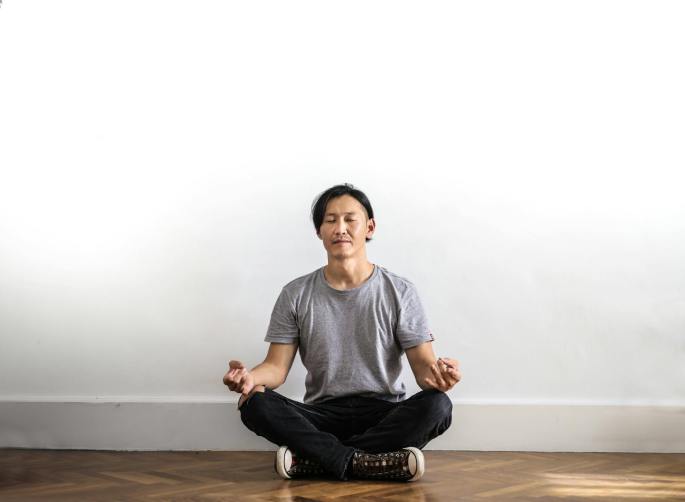
The Deadly Effects of Stress from the Modern Lifestyle

Stress has become the norm in the modern lifestyle. Whether it’s work, family, finances, or relationships, we all deal with stress on a daily basis. Although small amounts of stress can be motivational, too much stress can have a detrimental effect on our overall well-being, leading to physical, emotional, and mental issues. During special occasions like holidays, stress levels can escalate, which is why it’s vital to learn how to recognize the signs of stress and manage them proactively. In this blog, we’ll explore how stress is the biggest killer of modern lifestyle and how Ayurveda can help alleviate stress-related symptoms.

Stress is a silent killer that weakens the immune system, making us more susceptible to physical and mental ailments. The first signs of stress are usually physical symptoms such as a headache, disturbed sleep, loss of appetite, muscle tension, or aches and pains. If left unchecked, stress can lead to elevated blood pressure, insomnia, anxiety, and depression. Therefore, it is crucial to identify the symptoms of stress early and take preventative measures.

One effective preventative measure is through seeking consultation with a skilled Ayurvedic doctor. Dr. Sugesh is an Ayurvedic expert who can help you identify and treat the root cause of stress and provide you with personalized treatment options. So, don’t hesitate to seek help if you’re experiencing symptoms of stress as it can benefit you physically, emotionally, and spiritually.

Ayurveda has many therapies that can be helpful for de-stressing. Chakra therapy involves balancing the seven chakras in the body to reduce anxiety, calm the mind, and improve overall well-being. Deep relaxation massage is a popular Ayurvedic treatment that helps relax the body and mind by increasing blood flow, reducing tension and stress. Reflexology is another form of Ayurvedic therapy where pressure is applied to specific points on the feet, hands, or ears to relieve stress and anxiety.

Aroma therapy massage is a relaxing Ayurvedic treatment that involves the use of essential oils to enhance physical and mental well-being. Yoga and meditation are considered useful for calming the mind and reducing stress. It’s recommended to practice yoga and meditation regularly to help relieve stress and rejuvenate the body and mind. Shirodhara is another Ayurvedic therapy that involves the pouring of warm herbal oils on the forehead to help calm the central nervous system, preventing stress, and calming the mind. Warm herbal wraps and marma therapy are also excellent Ayurvedic treatments for de-stressing.

Stress has become an epidemic that can have a severe impact on our physical, emotional and mental health. By using Ayurvedic therapies, we can proactively alleviate stress symptoms, and improve overall well-being. At the first signs of stress, don’t hesitate to reach out to a skilled Ayurvedic doctor like Dr. Sugesh, who can provide you with personalized treatment options. Incorporating Ayurvedic therapies into your lifestyle can help you feel relaxed, rejuvenated, and stress-free. Start practicing stress-reducing activities today to promote better health and longevity.

Importance of Yoga, Pranayama and Meditation

In today’s fast-paced and stressful life, we all need a way to relax and rejuvenate ourselves. One of the most effective ways to do this is by practicing yoga, pranayama, and meditation. Yoga, pranayama, and meditation have been practiced for centuries and have proven to be beneficial to our physical, mental, and emotional health. In this blog post, we will discuss the importance of yoga, pranayama, and meditation and how it can improve our well-being.

  1. Yoga

Yoga is an ancient practice that involves physical postures, breath control, and meditation. Regular practice of yoga can help improve flexibility, strength, and balance. It also helps to reduce stress and anxiety by promoting relaxation and mindfulness. Yoga is known to alleviate chronic pain, improve sleep quality, and boost the immune system. There are different types of yoga styles like Hatha, Vinyasa, Ashtanga, and Power Yoga. Choose which style suits you the most.

  1. Pranayama

Pranayama is a form of breath control that involves various breathing techniques. Practicing pranayama helps to calm the mind, reduce stress, and improve concentration. It can also improve lung capacity and aid in better digestion. Nadi shodhana pranayama (alternate nostril breathing), kapalbhati pranayama (breath of fire), and bhramari pranayama (bee breath) are some of the pranayama techniques that can be practiced regularly.

  1. Meditation

Meditation is the practice of focusing the mind on a particular object, thought, or activity to achieve a mentally clear and emotionally calm state. Meditation has been shown to reduce stress and anxiety, improve emotional stability, and improve overall well-being. Regular practice of meditation can also enhance self-awareness, increase happiness, and improve cardiovascular and immune health. There are various types of meditation techniques like mindfulness meditation, transcendental meditation, and loving-kindness meditation that can be practiced.

  1. Personalized Meditation

One unique aspect of meditation that I practice is personalized meditation. By analyzing a patient’s unique needs and constitution, I tailor a meditation practice that is suitable for them. This includes understanding the root cause of their stress and anxiety and customizing the meditation practice to address those specific issues. This approach has shown to be highly effective, and patients have reported significant improvements in their well-being after regular practice.

  1. Tips to Get Started

If you are new to yoga, pranayama, or meditation, it may seem challenging to get started. Here are some tips to help you begin:

  • Start with easy and basic practices and move gradually to advanced practices.
  • Take help of an expert or teacher if you are not sure how to get started.
  • Schedule a regular time to practice.
  • Create a peaceful environment to practice.
  • Be consistent in your practice, even if it’s for a few minutes a day.

Practicing yoga, pranayama, and meditation can significantly improve our physical, mental, and emotional health. Regular practice can help reduce stress and anxiety, improve overall well-being, and lead to a happier and more peaceful life. So, start your practice today and experience the benefits of these ancient practices. Remember, starting small and being consistent is key. Happy meditating!

Ayurveda and Adaptive Change: A Holistic Approach to Health

Ayurveda is an ancient Indian system of medicine that dates back thousands of years ago. It is a holistic approach that emphasizes the balance of the mind, body, and spirit. Ayurveda offers a unique perspective on health and healing, viewing each individual as unique and therefore requiring a personalized approach to treatment. Ayurveda is not just for the treatment and cure of diseases but is also for maintaining optimum health in a preventative approach. The therapies used by Ayurveda for prevention and care are the same. In this blog post, we will discuss Ayurveda’s perspective on adaptive change for a healthy lifestyle.

Ayurveda believes in the role of adaptive change for the maintenance of good health. It recognizes that nothing stays constant, and changes are an intrinsic part of life. Therefore, it is necessary to adapt to these changes to maintain optimal health. For instance, if there is a change in seasons like winter to summer, our body’s internal environment also changes along with it. Ayurveda recommends adapting our diet, lifestyle, behavior, and daily routine to this change. In this way, it prevents the accumulation of toxins in the body that may lead to diseases.

Ayurveda uses a holistic approach towards prevention and treatment. It includes Panchakarma, a rejuvenation therapy that detoxifies the body and strengthens the immune system. The Panchakarma procedure employs five different purification processes that eliminate the accumulated toxins from the body. Ayurveda also includes nutrition as part of its therapeutic approach towards adaptive change. A diet plan that suits the individual’s unique constitution is prescribed to maintain optimum health.

Ayurveda believes in the power of yoga, pranayama, and meditation to prevent and treat diseases. Yoga helps in creating physical and mental balance and brings about peace of mind. It also helps to strengthen the immune system and improve overall health. Pranayama techniques help in bringing about the balance of the doshas, and meditation helps in reducing stress and anxiety.

Chakra therapy is another powerful tool in Ayurvedic healing. Chakras are the energy centers in the body that interact with our physical, mental, and emotional well-being. Chakra therapy helps in aligning and balancing these energy centers. Ayurveda also believes in natural skin and hair treatments that use everyday ingredients like aloe vera, henna, coconut oil, and turmeric. Meditation, massage (abhyanga), and stress management techniques help in reducing stress levels, maintaining mental balance, and promoting good sleep hygiene.

Ayurveda medicine is personalized and tailored to each individual’s unique constitution and medical history. It includes herbal supplements, Ayurvedic formulations, and mineral preparations that are prescribed based on the individual’s unique needs. Ayurvedic medicine is gentle and natural. It works in harmony with the body to promote healing and balance.

In conclusion, Ayurveda is a holistic approach to health and emphasizes the importance of adaptive change for optimal health. Ayurveda is used for both preventative and curative care, and the therapies used for prevention and care are the same. Ayurveda recognizes that every individual is unique and therefore requires a personalized approach to treatment. Ayurveda uses a combination of lifestyle changes, nutrition, yoga, meditation, chakra therapy, natural skin and hair care, massage, and stress management techniques to prevent and treat diseases. The holistic approach of Ayurveda provides a long-term solution to maintaining optimum health through adaptive change.