Panchakarma: An Ayurvedic Doctor’s Perspective on the Deep Detox Your Body Deserves

By Dr. Sugesh, Ayurvedic Doctor and Panchakarma Specialist

In my years of practicing Ayurveda, if there’s one therapy that consistently transforms people—physically, mentally, and spiritually—it’s Panchakarma. This time-tested, deeply rejuvenating Ayurvedic detoxification process is more than just a cleanse. It’s a profound reset for your entire system, offering relief from chronic ailments, emotional heaviness, and fatigue that modern lifestyles often create.

What Is Panchakarma?

In Sanskrit, Panchakarma means “five actions.” These five therapeutic procedures are designed to remove accumulated toxins (ama), balance the three doshas (Vata, Pitta, and Kapha), and restore the body’s natural rhythm and vitality. Panchakarma is not a one-size-fits-all experience—it’s tailored to the individual’s constitution (prakriti), current imbalances (vikriti), season, and specific health conditions.

The five classical procedures are:

  • Vamana (therapeutic vomiting) – to release excess Kapha.
  • Virechana (purgation) – to cleanse excess Pitta from the liver and small intestine.
  • Basti (medicated enema) – considered the most powerful treatment for balancing Vata.
  • Nasya (nasal cleansing) – to purify the head and sinuses.
  • Raktamokshana (bloodletting) – used in specific cases to detoxify the blood.

These are supported by preparatory and post-detox procedures like Abhyanga (oil massage), Swedana (herbal steam), Shirodhara, and dietary regimens to ease the body into and out of detoxification.


Why Do You Need Panchakarma?

Modern life accumulates more than just physical toxins. Stress, pollution, processed food, irregular routines, and suppressed emotions all leave residue in the body and mind. This builds up as ama, which clogs channels, disturbs digestion, disrupts sleep, and eventually leads to disease.

When a client comes to me with fatigue, weight gain, anxiety, or digestive issues, they often don’t realize these symptoms are connected. Panchakarma allows us to clean the slate. It’s a powerful way to remove deep-rooted toxins and restore your inner intelligence—the body’s natural ability to heal and thrive.


Benefits I See in My Practice

I’ve guided hundreds through Panchakarma, and the results are often nothing short of extraordinary. Here are a few shifts I witness regularly:

  • Improved digestion and elimination
  • Stronger immunity and fewer seasonal illnesses
  • Mental clarity, calm, and better sleep
  • Hormonal balance and relief from menstrual or menopausal symptoms
  • Relief from chronic pain, inflammation, and arthritis
  • Weight loss and reduction of water retention
  • A renewed sense of purpose and energy

Panchakarma doesn’t just detox the body—it rejuvenates the soul.


When and Where to Do Panchakarma

The best times for Panchakarma are at the seasonal junctions—particularly spring and fall—when the body naturally wants to shed and reset. However, it can also be done based on individual health conditions and readiness.

It’s essential that Panchakarma is done under the guidance of a qualified Ayurvedic doctor. This is not a DIY cleanse. The therapies are powerful, and when done improperly or at the wrong time, can create imbalance instead of healing.

Panchakarma is a sacred process. It’s not about quick fixes or trends—it’s about aligning with the deeper intelligence of nature and your body. In a world that constantly demands more, Panchakarma gives you permission to slow down, cleanse, and remember your inherent vitality.

If you’re feeling stuck—physically, mentally, or emotionally—I invite you to explore this path. As your Ayurvedic guide, I will walk beside you through each step, helping you emerge lighter, stronger, and more connected to your true self.


Ready to experience Panchakarma?
Reach out for a consultation to begin your personalized Ayurvedic journey. Your body already knows how to heal—let’s help it remember.
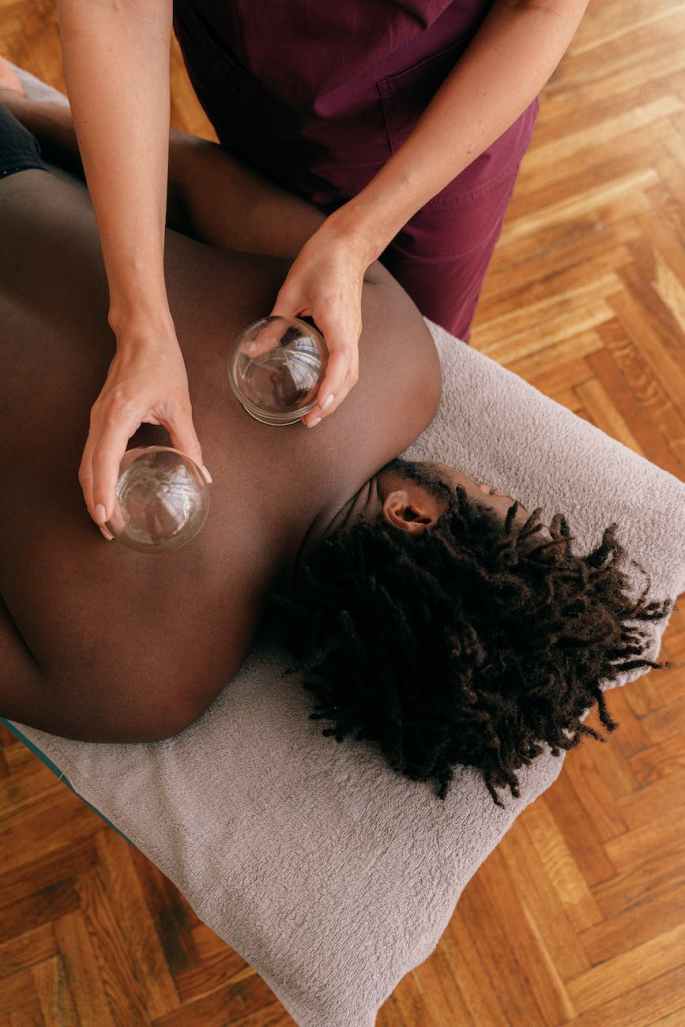
Discovering the Ayurvedic Approach to Men’s Sexual Health through Panchakarma

In today’s fast-paced world, men’s sexual health often takes a back seat to other priorities. However, Ignoring sexual health can lead to various physical and psychological issues in men. In Ayurveda, an ancient Indian medicine system, the approach to sexuality is holistic and comprehensive. Ayurveda recognizes that the physical, psychological, and spiritual dimensions of sexual health are interconnected and that balance is essential for good health. One of the most effective ways to restore balance is through panchakarma, a powerful Ayurvedic detoxification and rejuvenation therapy.

Ayurveda views sexuality as a vital part of a man’s overall well-being. According to Ayurveda, sexual energy is a highly potent source of vitality and creativity. Sexual vitality incorporates physical, emotional, psychological, and spiritual dimensions, and any discord or imbalance in any of these areas results in dysfunctional sexual health. Ayurveda identifies three stages of sexual functionality in men, including arousal, ejaculation, and satisfaction. Altered hormonal levels, anxiety, poor diet, stress, and lifestyle factors can lead to dysfunction in any of these stages. Ayurveda deals with these issues through a comprehensive approach, encompassing a balanced diet, rejuvenation therapies, and medicinal plants.

The Ayurvedic approach to sexual dysfunction involves balancing the doshas, namely Vata, Pitta, and Kapha, to restore equilibrium. The root cause of the sexual dysfunction is analyzed by examining the doshas’ levels and energy flow in the body. Once the underlying reason is identified, the Ayurvedic practitioner may suggest that the individual undergoes specific Panchakarma treatments. Panchakarma is a unique detoxification process that removes toxins from the body and strengthens the digestive fire and metabolic balance. The therapy involves five procedures, including Virechana (purgation), Vamana (vomiting), Basti (enema), Nasya (nasal administration of medicine), and Raktamokshana (bloodletting).

Among these procedures, the Basti is one of the most effective ways to remove toxins from the body and enhance bodily functions. The Basti procedure involves the administration of natural oils and herbs directly into the rectum, which removes toxins and pathogens from the body. Basti treatments can help to address specific sexual health issues such as premature ejaculation and erectile dysfunction. The procedure is considered a key Panchakarma therapy that has superior long-term benefits in boosting sexual health and vitality.

The benefits of Panchakarma for men’s sexual health are many. Panchakarma helps to balance hormones and removes the toxins that cause sexual dysfunction. It also eliminates stress and anxiety, which can significantly affect sexual health. Additionally, Panchakarma can improve mood, leading to better sexual performance and satisfaction and a more fulfilling sex life. The treatment is non-invasive, and the herbs and oils used during the treatment are natural and safe, making it a healthy and effective solution for enhancing sexual health.

Ayurvedic approach to men’s sexual health is a comprehensive and holistic one that aims to restore the balance in physical, psychological, and spiritual dimensions. Ayurveda’s Panchakarma therapy is an effective way to help men enhance their sexual vitality. The therapy uses a combination of natural herbs, oils, and techniques to remove toxins from the body, boost the metabolism and digestive fire, balance hormones, reduce stress and anxiety, and improve sexual function. These benefits make Panchakarma an excellent option for any man who wants to enhance his sexual health and experience a more fulfilling life. If you’re struggling with sexual dysfunction or simply want to improve your sexual health, consider Panchakarma and make an appointment with me today!

Here is access to my Men’s Sexual Health Course! It is super affordable!

Panchakarma- The Traditional Ayurvedic Treatment for Total Cleansing and Rejuvenation

Ayurveda, the ancient Indian holistic healing system, is rapidly gaining popularity worldwide for its natural remedies and treatments. One such treatment is Panchakarma, which is an extensive purification and cleansing therapy that aims to remove the toxins from the body and rejuvenate it holistically. Panchakarma is a Sanskrit word that means ‘five actions, ‘pentad,’ or ‘five treatments.’ This therapy is specifically designed to remove physical and emotional imbalances in the body that cause diseases. In this blog post, we will explore the details of the Panchakarma therapy, its benefits, and how it works.

Panchakarma is a sequential therapy that comes under the branch of Ayurveda called Shodhana Chikitsa, which means ‘purification therapy.’ This treatment involves five procedures:

  1. Vamana: Emesis therapy (therapeutic vomiting)
  2. Virechana: Purgation therapy
  3. Nasya: Nasal administration of medicated oil
  4. Basti: Medicated enema and therapeutic oil application
  5. Raktamokshana: Bloodletting

Each procedure serves various functions of detoxification and purification, such as eliminating toxins from the gut, bloodstream, tissues, and cells. Panchakarma is effective in providing deeper and longer-lasting results, especially when combined with a balanced diet and lifestyle.

Panchakarma is suitable for all ages and addresses various health issues like allergies, anxiety, asthma, arthritis, chronic pain, digestive disorders, depression, insomnia, infertility, migraines, skin disorders, and stress. Depending on the condition, the number of therapies can vary, and it can take from one day to four weeks to complete a full Panchakarma cycle.

The therapy begins with a consultation with an Ayurvedic practitioner, who assesses the patient’s physical, mental, and emotional conditions. Based on the assessment, the practitioner devises a personalized and comprehensive treatment plan that includes massage, herbal remedies, diet, and lifestyle recommendations. The therapy typically involves both external and internal treatments to purify the body from toxins, eliminate unwanted elements, and enhance overall well-being.

One of the significant benefits of Panchakarma is that it aids in the elimination of toxins from the body. By removing the accumulated toxins, the therapy helps in reducing inflammation, improving digestion, and reducing stress on the body’s organs. Panchakarma also boosts the immune system, balances hormones, improves vitality, and promotes mental clarity.

Panchakarma is an ancient Ayurvedic therapy that provides complete purification and rejuvenation of the body and mind. It is a holistic approach for restoring the natural balance of the body and promotes overall well-being. The therapy is suitable for anyone looking for a natural and effective means of preventing or treating chronic diseases. However, it is always essential to consult a qualified Ayurvedic practitioner before undergoing the therapy. The Panchakarma therapy is not a one-time solution for all ailments, but it can significantly transform one’s physical, emotional, and spiritual health in the long run.

Ayurveda and Adaptive Change: A Holistic Approach to Health

Ayurveda is an ancient Indian system of medicine that dates back thousands of years ago. It is a holistic approach that emphasizes the balance of the mind, body, and spirit. Ayurveda offers a unique perspective on health and healing, viewing each individual as unique and therefore requiring a personalized approach to treatment. Ayurveda is not just for the treatment and cure of diseases but is also for maintaining optimum health in a preventative approach. The therapies used by Ayurveda for prevention and care are the same. In this blog post, we will discuss Ayurveda’s perspective on adaptive change for a healthy lifestyle.

Ayurveda believes in the role of adaptive change for the maintenance of good health. It recognizes that nothing stays constant, and changes are an intrinsic part of life. Therefore, it is necessary to adapt to these changes to maintain optimal health. For instance, if there is a change in seasons like winter to summer, our body’s internal environment also changes along with it. Ayurveda recommends adapting our diet, lifestyle, behavior, and daily routine to this change. In this way, it prevents the accumulation of toxins in the body that may lead to diseases.

Ayurveda uses a holistic approach towards prevention and treatment. It includes Panchakarma, a rejuvenation therapy that detoxifies the body and strengthens the immune system. The Panchakarma procedure employs five different purification processes that eliminate the accumulated toxins from the body. Ayurveda also includes nutrition as part of its therapeutic approach towards adaptive change. A diet plan that suits the individual’s unique constitution is prescribed to maintain optimum health.

Ayurveda believes in the power of yoga, pranayama, and meditation to prevent and treat diseases. Yoga helps in creating physical and mental balance and brings about peace of mind. It also helps to strengthen the immune system and improve overall health. Pranayama techniques help in bringing about the balance of the doshas, and meditation helps in reducing stress and anxiety.

Chakra therapy is another powerful tool in Ayurvedic healing. Chakras are the energy centers in the body that interact with our physical, mental, and emotional well-being. Chakra therapy helps in aligning and balancing these energy centers. Ayurveda also believes in natural skin and hair treatments that use everyday ingredients like aloe vera, henna, coconut oil, and turmeric. Meditation, massage (abhyanga), and stress management techniques help in reducing stress levels, maintaining mental balance, and promoting good sleep hygiene.

Ayurveda medicine is personalized and tailored to each individual’s unique constitution and medical history. It includes herbal supplements, Ayurvedic formulations, and mineral preparations that are prescribed based on the individual’s unique needs. Ayurvedic medicine is gentle and natural. It works in harmony with the body to promote healing and balance.

In conclusion, Ayurveda is a holistic approach to health and emphasizes the importance of adaptive change for optimal health. Ayurveda is used for both preventative and curative care, and the therapies used for prevention and care are the same. Ayurveda recognizes that every individual is unique and therefore requires a personalized approach to treatment. Ayurveda uses a combination of lifestyle changes, nutrition, yoga, meditation, chakra therapy, natural skin and hair care, massage, and stress management techniques to prevent and treat diseases. The holistic approach of Ayurveda provides a long-term solution to maintaining optimum health through adaptive change.