Ayurveda’s Approach to Combatting Stress, Anxiety, Loneliness, Depression, and Fear

We all experience stress at some point in our lives, and for some people, it can become excessive or chronic, leading to anxiety, loneliness, depression, and fear. In Ayurveda, we believe that our health and well-being are interconnected and that we must treat the root of the problem to restore balance.

When we experience stress, our body enters a fight-or-flight response, leading to decreased digestion and metabolism, and weakened immunity. Ayurveda believes that our digestive system, also known as Agni, is essential to our overall health and well-being. It’s our ability to digest our food, thoughts, and emotions that determine how we experience the world around us. When our Agni is strong, our body can absorb nutrients efficiently, eliminate toxins, and produce a vital essence called Ojas.

Ojas is the essence of vitality, immunity, and longevity in Ayurveda, and it’s what helps us combat stress, anxiety, loneliness, depression, and fear. When our Ojas is strong, we feel content, calm, and resilient, even in the face of adversity. In contrast, when our Ojas is depleted, we become more prone to physical and mental health issues.

Ayurveda looks beyond food and into our psyche to understand how our internal world affects our health and well-being. Ayurveda believes that our sense of sight, hearing, taste, smell, and touch impact the quality of our overall life experience. What we see, hear, taste, and smell around us influences our emotions, thoughts, and even our physiology. Ayurveda encourages us to engage with our five senses in ways that uplift and nourish our soul.

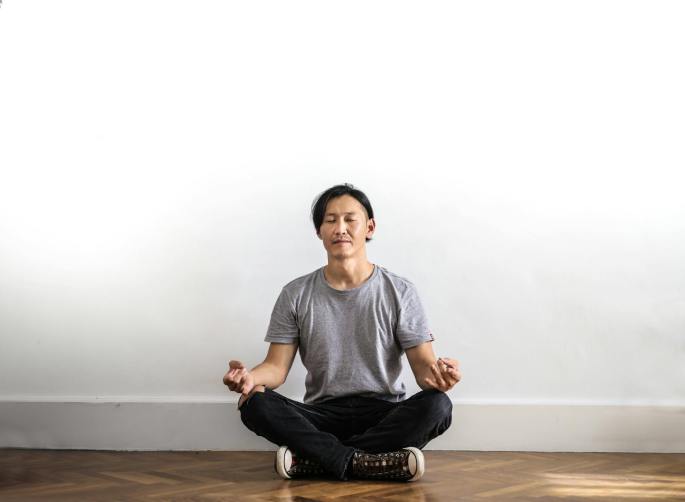
To help combat stress, anxiety, loneliness, depression, and fear, Ayurveda recommends incorporating practices such as daily meditation, pranayama (breathing exercises), yoga, and self-care routines that bring us joy and relaxation. These practices can help soothe our nervous system and encourage the production of Ojas, strengthening our ability to cope with life’s challenges.

Ayurveda offers a holistic approach to combatting stress, anxiety, loneliness, depression, and fear. By addressing the root cause of these mental and emotional health issues, we can become more resilient and better equipped to handle life’s challenges. By prioritizing our self-care routines, engaging with our five senses consciously, and incorporating Ayurvedic practices into our daily routine, we can learn to nourish our soul and cultivate vital essence, helping us live a more balanced and fulfilling life.

Please call me to schedule and appointment.

Namaste,

Dr. Sugesh

Importance of Yoga, Pranayama and Meditation

In today’s fast-paced and stressful life, we all need a way to relax and rejuvenate ourselves. One of the most effective ways to do this is by practicing yoga, pranayama, and meditation. Yoga, pranayama, and meditation have been practiced for centuries and have proven to be beneficial to our physical, mental, and emotional health. In this blog post, we will discuss the importance of yoga, pranayama, and meditation and how it can improve our well-being.

  1. Yoga

Yoga is an ancient practice that involves physical postures, breath control, and meditation. Regular practice of yoga can help improve flexibility, strength, and balance. It also helps to reduce stress and anxiety by promoting relaxation and mindfulness. Yoga is known to alleviate chronic pain, improve sleep quality, and boost the immune system. There are different types of yoga styles like Hatha, Vinyasa, Ashtanga, and Power Yoga. Choose which style suits you the most.

  1. Pranayama

Pranayama is a form of breath control that involves various breathing techniques. Practicing pranayama helps to calm the mind, reduce stress, and improve concentration. It can also improve lung capacity and aid in better digestion. Nadi shodhana pranayama (alternate nostril breathing), kapalbhati pranayama (breath of fire), and bhramari pranayama (bee breath) are some of the pranayama techniques that can be practiced regularly.

  1. Meditation

Meditation is the practice of focusing the mind on a particular object, thought, or activity to achieve a mentally clear and emotionally calm state. Meditation has been shown to reduce stress and anxiety, improve emotional stability, and improve overall well-being. Regular practice of meditation can also enhance self-awareness, increase happiness, and improve cardiovascular and immune health. There are various types of meditation techniques like mindfulness meditation, transcendental meditation, and loving-kindness meditation that can be practiced.

  1. Personalized Meditation

One unique aspect of meditation that I practice is personalized meditation. By analyzing a patient’s unique needs and constitution, I tailor a meditation practice that is suitable for them. This includes understanding the root cause of their stress and anxiety and customizing the meditation practice to address those specific issues. This approach has shown to be highly effective, and patients have reported significant improvements in their well-being after regular practice.

  1. Tips to Get Started

If you are new to yoga, pranayama, or meditation, it may seem challenging to get started. Here are some tips to help you begin:

  • Start with easy and basic practices and move gradually to advanced practices.
  • Take help of an expert or teacher if you are not sure how to get started.
  • Schedule a regular time to practice.
  • Create a peaceful environment to practice.
  • Be consistent in your practice, even if it’s for a few minutes a day.

Practicing yoga, pranayama, and meditation can significantly improve our physical, mental, and emotional health. Regular practice can help reduce stress and anxiety, improve overall well-being, and lead to a happier and more peaceful life. So, start your practice today and experience the benefits of these ancient practices. Remember, starting small and being consistent is key. Happy meditating!