Rediscovering Ancient Roots: The Benefits of Abhyanga Massage

In modern times, self-care is more important than ever before, and it’s no surprise that people are constantly seeking ways to relieve stress and improve overall health. One such effective solution is Abhyanga- an ancient Indian form of massage that has been practiced for more than 5,000 years. Abhyanga is commonly used in Ayurvedic therapy which is becoming increasingly popular around the world. Today, we’ll take a deep dive into the world of Abhyanga, and discover why it’s a therapy that everyone must try!


Abhyanga: An Overview
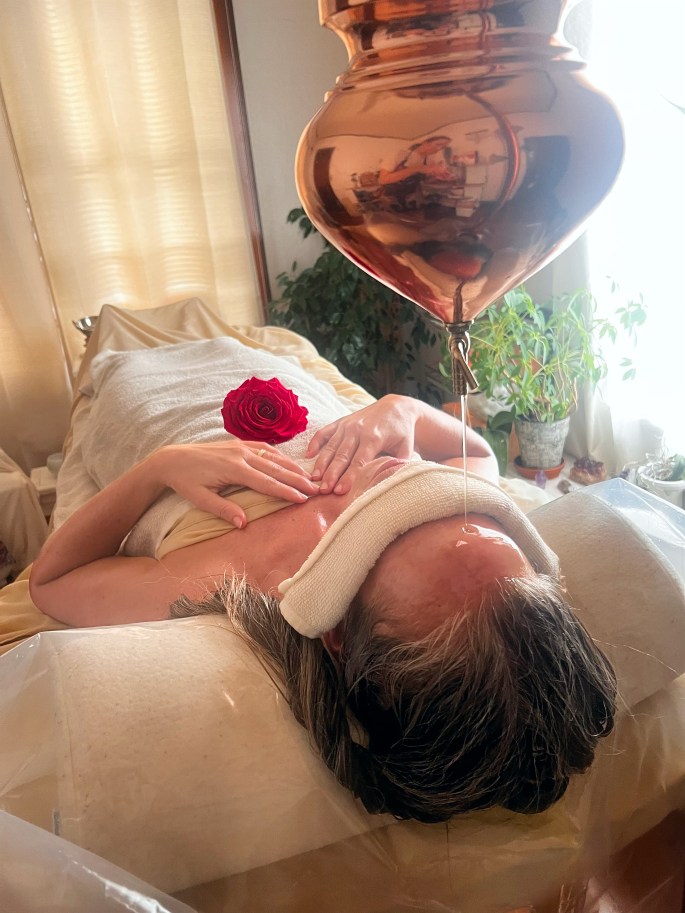
Abhyanga is a type of Ayurvedic massage that involves the use of warm oils and specialized techniques to promote circulation and detoxify the body. The oil used in the massage is usually chosen based on the individual’s body type and health needs. During the massage, the oil is applied to the body using long, gentle strokes and is absorbed by the skin. This ensures that the body is receiving essential nutrients and that toxins are being removed. Abhyanga is known to provide a wide range of benefits, including faster wound healing, a stronger immune system, and a more relaxed mind.

Why Everyone Needs An Abhyanga Massage
People who lead a high-stress lifestyle, those experiencing chronic pain, or individuals who suffer from sleeping disorders can greatly benefit from an Abhyanga session. Ayurvedic massage helps with blood circulation, which releases endorphins that promote relaxation, pain relief, and a better mood overall. Moreover, Abhyanga can help in the reduction of stress hormones like cortisol and norepinephrine, which damage your body in the long run. Abhyanga can improve your overall physical, mental health along with nourishing your skin too.

What to Expect During an Abhyanga Massage Session
Depending on your chosen location, the massage session, generally, lasts for 60-90 minutes. Before the massage starts, Dr. Sugesh, an ayurvedic specialist, will consult with you to determine the right oil to use, based on your body type and health condition. Dr. Sugesh will also advise you on the areas of your body that need more attention. During the massage, the therapist will use their hands to apply pressure to different parts of your body while simultaneously using long, gentle strokes. The session usually ends with a warm shower/bath to cleanse your body.

Cautions to Take
Individuals with wounds, skin rashes or infections must avoid having an Abhyanga massage. If you are pregnant or menstuating, Dr. Sugesh advises that you consult your gynaecologist before getting an Abhyanga massage. Dr. Sugesh will also ask you about any allergies so that he can choose the right oil for you. Moreover, if you have undergone any surgery, it’s advisable to wait for at least 6 months before getting an Abhyanga massage.


Abhyanga is an ancient therapy with incredible benefits that has stood the test of time. Scheduling a regular Abhyanga massage session with Dr. Sugesh and his staff will ensure that you receive all the benefits, like increased circulation, toxin removal, relaxation, pain relief, and an improved mental and physical health. So, what are you waiting for? Discover the ancient roots to a modern solution to self-care!
Skin & Hair

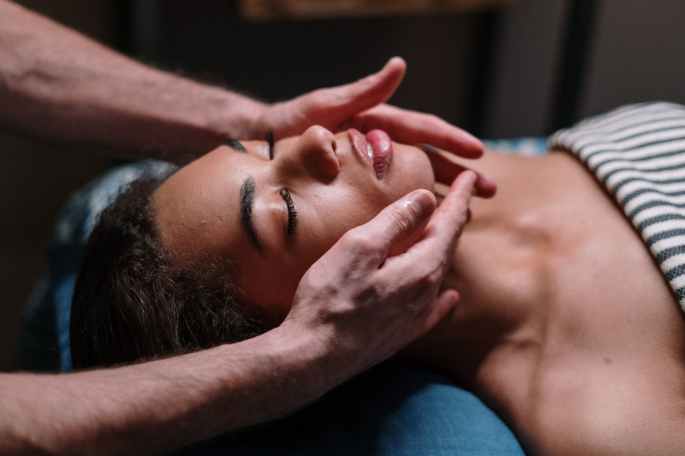
Maintaining healthy skin and hair requires more than just using generic products that promise quick results. In order to achieve a balance of both preventative and curative treatment, it’s important to consider herbal remedies. Dr. Sugesh is a specialist in herbal skincare and haircare and offers both fixed and customized treatments for optimal balance. In this blog, we will explore the importance of herbal remedies for skin and haircare and how it can improve overall health.

  1. Understanding Herbal Skincare:

Herbal remedies have been used for centuries and have shown immense benefits for the skin. Unlike commercial products, herbal remedies are free from harsh chemicals that can cause damage to the skin and hair. These remedies work in harmony with the body’s natural processes to provide a healthier and brighter complexion. They also help to soothe inflammation and can even treat conditions such as acne, eczema, and psoriasis. Dr. Sugesh specializes in herbal skincare and provides customized treatment solutions based on individual skin types.

  1. How Herbal Haircare Can Benefit:

Herbal remedies can help to improve the overall health of your hair. They address problems such as hair loss, dryness, and damage. Hair products that contain harsh chemicals can strip away the hair’s natural oils, leading to dryness and breakage. Herbal remedies help to nourish and strengthen the hair from its roots, providing a healthy and lustrous shine. Dr. Sugesh offers a variety of customized treatments including herbal hair masks, oils, and shampoos to promote healthy hair growth.

  1. The Benefits of Customized Herbal Treatments:

Dr. Sugesh offers both fixed and customized treatments depending on individual needs. Before prescribing any treatment, he conducts a thorough analysis of the skin and hair type to identify specific concerns and conditions. After identifying the cause, Dr. Sugesh comes up with personalized solutions using the right blend of herbs, oils, creams, masks, scrubs, and lotions. These customized treatments can help to improve the skin and hair’s overall health by providing essential vitamins and minerals for optimal balance.

  1. Rejuvenation and Healing:

Herbal remedies can offer both preventative and curative treatment for the skin and hair. Depending on individual needs, Dr. Sugesh can provide treatments for rejuvenation and healing. While prevention is always better than cure, curative treatment is necessary for existing skin and hair problems. Herbal remedies can help to soothe inflammation, reduce redness, and even prevent future damage. By providing the body with essential nutrients and minerals, the skin and hair can achieve a healthier and more radiant glow.

  1. The Long-Term Benefits of Herbal Remedies:

Using herbal remedies as a part of your daily skincare and haircare routine can provide long-term benefits. Unlike commercial products, herbal remedies work in harmony with the body’s natural processes to provide a healthier and brighter complexion. They help to provide essential nutrients for the skin and hair’s overall health, leading to a reduction in the signs of aging and a better overall appearance. Dr. Sugesh’s herbal skincare and haircare treatments offer a holistic approach to beauty that promotes optimal balance and long-term results.

Herbal remedies have shown immense benefits in the world of skincare and haircare. They offer both preventative and curative treatment for various conditions and can improve overall health. Dr. Sugesh’s customized treatments provide a personalized approach to beauty that promotes optimal balance for the skin and hair. Whether you’re looking to reduce the signs of aging or address existing skin and hair concerns, herbal remedies can help to achieve a healthier and more radiant glow.

Importance of Yoga, Pranayama and Meditation

In today’s fast-paced and stressful life, we all need a way to relax and rejuvenate ourselves. One of the most effective ways to do this is by practicing yoga, pranayama, and meditation. Yoga, pranayama, and meditation have been practiced for centuries and have proven to be beneficial to our physical, mental, and emotional health. In this blog post, we will discuss the importance of yoga, pranayama, and meditation and how it can improve our well-being.

  1. Yoga

Yoga is an ancient practice that involves physical postures, breath control, and meditation. Regular practice of yoga can help improve flexibility, strength, and balance. It also helps to reduce stress and anxiety by promoting relaxation and mindfulness. Yoga is known to alleviate chronic pain, improve sleep quality, and boost the immune system. There are different types of yoga styles like Hatha, Vinyasa, Ashtanga, and Power Yoga. Choose which style suits you the most.

  1. Pranayama

Pranayama is a form of breath control that involves various breathing techniques. Practicing pranayama helps to calm the mind, reduce stress, and improve concentration. It can also improve lung capacity and aid in better digestion. Nadi shodhana pranayama (alternate nostril breathing), kapalbhati pranayama (breath of fire), and bhramari pranayama (bee breath) are some of the pranayama techniques that can be practiced regularly.

  1. Meditation

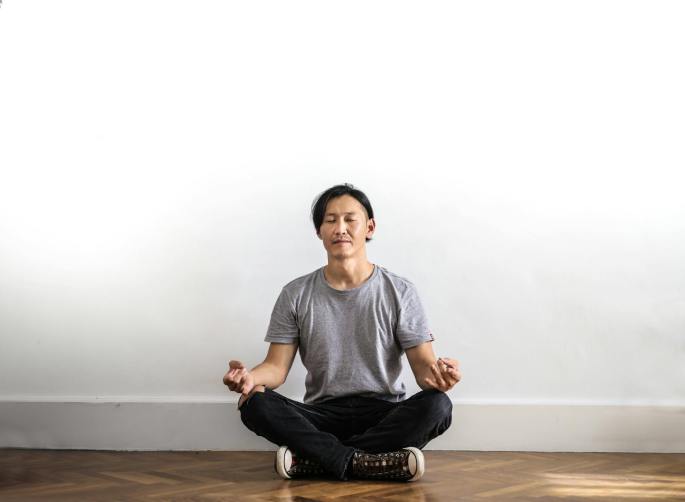
Meditation is the practice of focusing the mind on a particular object, thought, or activity to achieve a mentally clear and emotionally calm state. Meditation has been shown to reduce stress and anxiety, improve emotional stability, and improve overall well-being. Regular practice of meditation can also enhance self-awareness, increase happiness, and improve cardiovascular and immune health. There are various types of meditation techniques like mindfulness meditation, transcendental meditation, and loving-kindness meditation that can be practiced.

  1. Personalized Meditation

One unique aspect of meditation that I practice is personalized meditation. By analyzing a patient’s unique needs and constitution, I tailor a meditation practice that is suitable for them. This includes understanding the root cause of their stress and anxiety and customizing the meditation practice to address those specific issues. This approach has shown to be highly effective, and patients have reported significant improvements in their well-being after regular practice.

  1. Tips to Get Started

If you are new to yoga, pranayama, or meditation, it may seem challenging to get started. Here are some tips to help you begin:

  • Start with easy and basic practices and move gradually to advanced practices.
  • Take help of an expert or teacher if you are not sure how to get started.
  • Schedule a regular time to practice.
  • Create a peaceful environment to practice.
  • Be consistent in your practice, even if it’s for a few minutes a day.

Practicing yoga, pranayama, and meditation can significantly improve our physical, mental, and emotional health. Regular practice can help reduce stress and anxiety, improve overall well-being, and lead to a happier and more peaceful life. So, start your practice today and experience the benefits of these ancient practices. Remember, starting small and being consistent is key. Happy meditating!

Chakra Therapy: A Guide to Inner Balance

Do you feel like something isn’t quite right in your life? Does it seem like no matter what you do, you can’t break free from negative thought patterns or energy blocks? If so, it may be time to consider chakra therapy. Chakra therapy is a holistic healing practice that focuses on balancing the energy centers in your body to promote physical, emotional, and spiritual well-being. In this blog post, we’ll explore the basics of chakra therapy, its benefits, and what to expect during a session.

The first step in chakra therapy is a chakra diagnosis. This involves Dr. Sugesh checking the energy balance in all of your chakras, which are spinning wheels of energy found throughout your body. If your chakras are unbalanced, it can manifest in physical symptoms like pain or illnesses, emotional challenges such as anxiety or depression, or even spiritual struggles. Once Dr. Sugesh assesses your chakra balance, they will develop a personalized treatment plan unique to your body and needs.

Chakra therapy involves working to balance and align your chakras to improve health and mental balance, as well as to cure specific problems such as trauma, blockages, or undigested grief. During a session, your therapist may use various techniques such as meditation, sound therapy, or energy healing to help unblock energy and promote healing. Each therapy session is tailored to the individual’s needs and the specific issues they are dealing with.

One of the main benefits of chakra therapy is that it helps to promote a sense of overall well-being. As your chakras become more balanced and aligned, you’ll likely experience improvements in your physical and emotional health. You may sleep better, feel more relaxed, and experience less anxiety or depression. You may also find that you’re better able to handle stress and feel more connected with yourself and the world around you.

It is important that chakra therapy is conducted with strict personal hygiene. Ensuring the therapist and patient are healthy as well as microbiologically clean, especially during the global pandemic, can help to prevent contamination and prevent disease transmission. The therapist will also work with healthy people who want to improve their health and mental balance.

Chakra therapy is a powerful healing tool that can help you find balance in your mind, body, and spirit. Whether you’re struggling with physical pain, emotional distress, or spiritual turmoil, chakra therapy can help you overcome these challenges and live a more fulfilling life. You’ll be able to develop a personalized treatment plan that addresses your unique needs and helps you achieve your goals. So if you’re ready to take control of your health and well-being, consider trying chakra therapy today.

Panchakarma- The Traditional Ayurvedic Treatment for Total Cleansing and Rejuvenation

Ayurveda, the ancient Indian holistic healing system, is rapidly gaining popularity worldwide for its natural remedies and treatments. One such treatment is Panchakarma, which is an extensive purification and cleansing therapy that aims to remove the toxins from the body and rejuvenate it holistically. Panchakarma is a Sanskrit word that means ‘five actions, ‘pentad,’ or ‘five treatments.’ This therapy is specifically designed to remove physical and emotional imbalances in the body that cause diseases. In this blog post, we will explore the details of the Panchakarma therapy, its benefits, and how it works.

Panchakarma is a sequential therapy that comes under the branch of Ayurveda called Shodhana Chikitsa, which means ‘purification therapy.’ This treatment involves five procedures:

  1. Vamana: Emesis therapy (therapeutic vomiting)
  2. Virechana: Purgation therapy
  3. Nasya: Nasal administration of medicated oil
  4. Basti: Medicated enema and therapeutic oil application
  5. Raktamokshana: Bloodletting

Each procedure serves various functions of detoxification and purification, such as eliminating toxins from the gut, bloodstream, tissues, and cells. Panchakarma is effective in providing deeper and longer-lasting results, especially when combined with a balanced diet and lifestyle.

Panchakarma is suitable for all ages and addresses various health issues like allergies, anxiety, asthma, arthritis, chronic pain, digestive disorders, depression, insomnia, infertility, migraines, skin disorders, and stress. Depending on the condition, the number of therapies can vary, and it can take from one day to four weeks to complete a full Panchakarma cycle.

The therapy begins with a consultation with an Ayurvedic practitioner, who assesses the patient’s physical, mental, and emotional conditions. Based on the assessment, the practitioner devises a personalized and comprehensive treatment plan that includes massage, herbal remedies, diet, and lifestyle recommendations. The therapy typically involves both external and internal treatments to purify the body from toxins, eliminate unwanted elements, and enhance overall well-being.

One of the significant benefits of Panchakarma is that it aids in the elimination of toxins from the body. By removing the accumulated toxins, the therapy helps in reducing inflammation, improving digestion, and reducing stress on the body’s organs. Panchakarma also boosts the immune system, balances hormones, improves vitality, and promotes mental clarity.

Panchakarma is an ancient Ayurvedic therapy that provides complete purification and rejuvenation of the body and mind. It is a holistic approach for restoring the natural balance of the body and promotes overall well-being. The therapy is suitable for anyone looking for a natural and effective means of preventing or treating chronic diseases. However, it is always essential to consult a qualified Ayurvedic practitioner before undergoing the therapy. The Panchakarma therapy is not a one-time solution for all ailments, but it can significantly transform one’s physical, emotional, and spiritual health in the long run.

Ayurveda and Adaptive Change: A Holistic Approach to Health

Ayurveda is an ancient Indian system of medicine that dates back thousands of years ago. It is a holistic approach that emphasizes the balance of the mind, body, and spirit. Ayurveda offers a unique perspective on health and healing, viewing each individual as unique and therefore requiring a personalized approach to treatment. Ayurveda is not just for the treatment and cure of diseases but is also for maintaining optimum health in a preventative approach. The therapies used by Ayurveda for prevention and care are the same. In this blog post, we will discuss Ayurveda’s perspective on adaptive change for a healthy lifestyle.

Ayurveda believes in the role of adaptive change for the maintenance of good health. It recognizes that nothing stays constant, and changes are an intrinsic part of life. Therefore, it is necessary to adapt to these changes to maintain optimal health. For instance, if there is a change in seasons like winter to summer, our body’s internal environment also changes along with it. Ayurveda recommends adapting our diet, lifestyle, behavior, and daily routine to this change. In this way, it prevents the accumulation of toxins in the body that may lead to diseases.

Ayurveda uses a holistic approach towards prevention and treatment. It includes Panchakarma, a rejuvenation therapy that detoxifies the body and strengthens the immune system. The Panchakarma procedure employs five different purification processes that eliminate the accumulated toxins from the body. Ayurveda also includes nutrition as part of its therapeutic approach towards adaptive change. A diet plan that suits the individual’s unique constitution is prescribed to maintain optimum health.

Ayurveda believes in the power of yoga, pranayama, and meditation to prevent and treat diseases. Yoga helps in creating physical and mental balance and brings about peace of mind. It also helps to strengthen the immune system and improve overall health. Pranayama techniques help in bringing about the balance of the doshas, and meditation helps in reducing stress and anxiety.

Chakra therapy is another powerful tool in Ayurvedic healing. Chakras are the energy centers in the body that interact with our physical, mental, and emotional well-being. Chakra therapy helps in aligning and balancing these energy centers. Ayurveda also believes in natural skin and hair treatments that use everyday ingredients like aloe vera, henna, coconut oil, and turmeric. Meditation, massage (abhyanga), and stress management techniques help in reducing stress levels, maintaining mental balance, and promoting good sleep hygiene.

Ayurveda medicine is personalized and tailored to each individual’s unique constitution and medical history. It includes herbal supplements, Ayurvedic formulations, and mineral preparations that are prescribed based on the individual’s unique needs. Ayurvedic medicine is gentle and natural. It works in harmony with the body to promote healing and balance.

In conclusion, Ayurveda is a holistic approach to health and emphasizes the importance of adaptive change for optimal health. Ayurveda is used for both preventative and curative care, and the therapies used for prevention and care are the same. Ayurveda recognizes that every individual is unique and therefore requires a personalized approach to treatment. Ayurveda uses a combination of lifestyle changes, nutrition, yoga, meditation, chakra therapy, natural skin and hair care, massage, and stress management techniques to prevent and treat diseases. The holistic approach of Ayurveda provides a long-term solution to maintaining optimum health through adaptive change.