

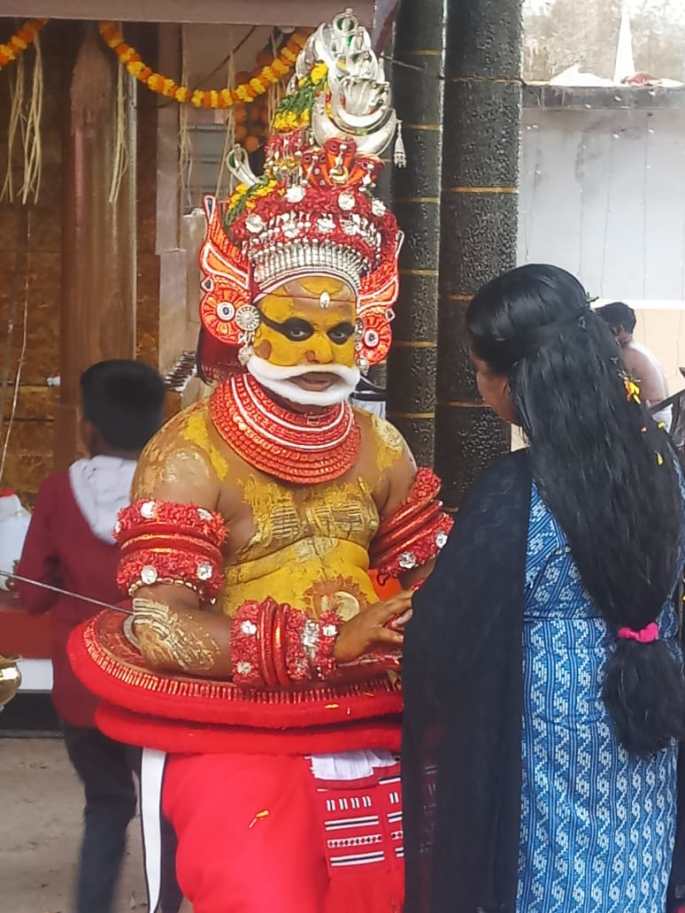
In the heartlands of South India, amidst the verdant landscapes and vibrant culture, lies a mesmerizing spectacle that transcends time and space—the ancient ritual of Theyyam. Predating Hinduism itself, Theyyam is a mystical folk tradition that blurs the lines between the earthly and the divine, as men transform into gods and goddesses through elaborate costumes, sacred chants, and trance-induced performances. In this blog post, we’ll embark on a journey to unravel the mystique of Theyyam, exploring its origins, significance, and profound impact on the cultural tapestry of South India.
The Origins of Theyyam: Rooted in the indigenous traditions of Kerala and parts of Karnataka, Theyyam is believed to have originated over a millennium ago, tracing its roots to prehistoric animistic practices and tribal rituals. Predating the advent of Hinduism in the region, Theyyam embodies a syncretic blend of animism, shamanism, and folk religion, with influences from Dravidian and Adivasi cultures. Through its vibrant rituals and performances, Theyyam pays homage to the spirits of ancestors, deities of nature, and cosmic forces that govern the universe.
The Ritual Experience: At the heart of Theyyam lies the transformative experience of trance, wherein chosen performers—usually men from specific communities—become vessels for divine possession, embodying the spirits of gods, goddesses, and ancestral deities. Adorned in elaborate costumes, intricate makeup, and ornate headdresses, Theyyam performers undergo a ritualistic purification process before entering a state of heightened consciousness through music, dance, and sacred chants. In this transcendent state, they channel the divine energies and convey blessings, prophecies, and healing to the community gathered.
Symbolism and Significance: Theyyam embodies a rich tapestry of symbolism, mythology, and cultural significance, with each deity representing various aspects of nature, society, and spirituality. From the fierce goddess Kali to the benevolent serpent deity Nagaraja, Theyyam encompasses a diverse pantheon of deities, each with its own lore, rituals, and devotee base. Through its performances, Theyyam serves as a conduit for spiritual communion, social cohesion, and cultural preservation, fostering a deep sense of identity and belonging among participants and spectators alike.
Preservation and Revival: Despite the passage of time and the encroachment of modernity, Theyyam continues to thrive as a living tradition, upheld by dedicated practitioners, communities, and cultural organizations. Efforts to preserve and revive Theyyam have led to its recognition as an Intangible Cultural Heritage by UNESCO, shedding light on its importance as a custodian of indigenous knowledge, artistic expression, and spiritual heritage. Through festivals, performances, and educational initiatives, Theyyam serves as a potent symbol of resilience, resistance, and cultural continuity in an ever-changing world.
As we delve into the mystical realm of Theyyam, we are transported to a realm where gods walk among mortals and the boundaries between the seen and unseen blur into oblivion. Through its mesmerizing performances, profound symbolism, and cultural resonance, Theyyam stands as a testament to the enduring spirit of India’s folk traditions and the timeless quest for spiritual transcendence. Let us celebrate the magic of Theyyam, honoring its legacy as a bridge between the earthly and the divine, and embracing its profound wisdom and beauty for generations to come.
 Dr. Sugesh