Ayurveda for Male Infertility: Tips and Treatments

Infertility can be a stressful issue for both men and women, but it is more often discussed in women than it is in men. However, men also deal with infertility issues. Nearly 30% of infertility cases are caused by male factors. In Ayurveda, male infertility is known as Shukra Dhatu Kshaya. Ayurveda offers various tips and treatments for male fertility, which we will be discussing in this blog.

  1. Diet and Lifestyle Changes:

The first and foremost factor in treating male infertility is a healthy lifestyle. A balanced and nutritious diet is crucial in enhancing male fertility. Foods like almonds, walnuts, bananas, garlic, ginger, and more are beneficial in increasing the sperm count. Besides a healthy diet, physical activity and exercise are also necessary for male fertility.

  1. Ayurvedic Herb Supplements:

Ayurvedic herbs have been used for centuries to improve fertility in males. Herbs like Shatavari, Kapikacchu, Ashwagandha, and Gokshura are known to improve the quality and quantity of sperm and alleviate infertility. These herbs help in increasing testosterone levels, reducing stress, and balancing hormones, leading to healthy sperm production.

  1. Panchakarma Treatment:

Panchakarma therapy is used to detoxify and purify the body and mind. This treatment can help to rejuvenate the body, increase the sperm count, and improve fertility. Panchakarma therapy may include Abhyanga (Ayurvedic massage), Swedana (herbal steam therapy), Shirodhara (a continuous stream of warm oil over the forehead), and more, based on individual needs.

  1. Yoga and Meditation:

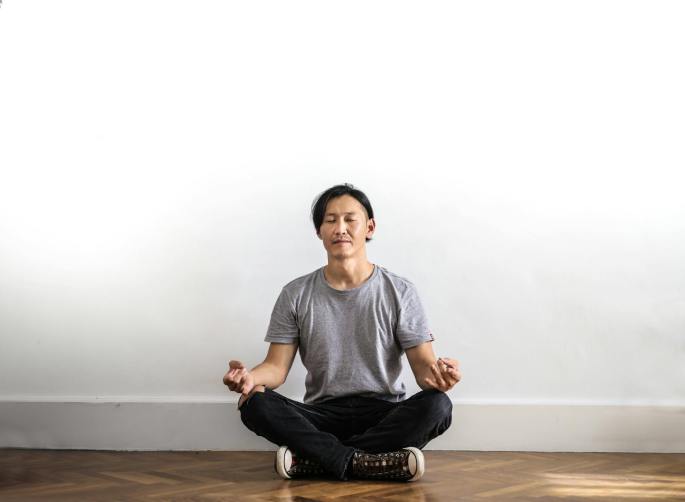
Yoga and meditation are forms of physical and mental exercise. They are essential in reducing stress levels and improving overall health and fertility. Practicing yoga and meditation have been shown to increase sperm motility, decrease DNA damage, and boost antioxidant levels. Yoga asanas like Ardha Matsyendrasana, Surya Namaskar, and Bhujangasana are beneficial for male fertility.

  1. Natural Fertility Tonics:

Natural fertility tonics made from milk, ghee, and honey can increase the sperm count, sperm motility, and sexual stamina. They also help in reducing oxidative stress and improving overall reproductive health. Shatavari milk, Ashwagandha milk, and Brahmi ghrita are some of the popular fertility tonics used in Ayurveda.

Male infertility is a sensitive issue that can cause psychological stress and emotional trauma. Taking Ayurvedic treatments and implementing lifestyle modifications can go a long way in addressing male infertility issues. I can offer you a personalized treatment and care for male infertility. Make an appointment with me today. Before starting any Ayurvedic treatment, it is recommended to consult with a qualified practitioner to determine the best treatment plan based on individual needs. You may also order Ayurvedic Herbal Supplements Below or take my affordable online course!


Grounding Meditation for Spiritual Growth

As human beings, we often find ourselves caught up in the chaos of our busy lives. We tend to operate in a constant state of overthinking and anxiety, which often leads to us feeling disconnected from ourselves and the world around us. What we fail to realize is that we possess the power to ground ourselves and reconnect with our inner selves through various meditative practices. Grounding meditation is a spiritual journey that allows us to release negative energy and connect to the earth’s natural energy, ultimately leading to a state of peace and tranquility.

Grounding meditation is a type of meditation that focuses on connecting our physical and energetic bodies to the natural energy of the earth. This practice is believed to help relieve feelings of anxiety, improve sleep quality, and enhance overall spiritual wellness. Before beginning your grounding meditation journey, find a quiet and peaceful place to sit down. Start by taking deep breaths to release any tension you may have in your body, inhaling positivity, and exhaling negativity.

Next, visualize a connection between your body and the earth beneath you. Picture the energy of the earth rising up through your feet and into your body. Focus on the sensation of your feet planted firmly on the ground, and imagine any negative energy within you traveling down your spine and into the earth through your feet.

As you continue to breathe deeply, focus on your body’s connection to the environment around you. Listen to the sounds of nature – birds chirping, leaves rustling, or the sound of water flowing. Observe the beauty around you and let the natural energy of the earth fill you with gratitude and love.

During grounding meditation, it’s important to remain present and focus on the physical sensations within your body. Pay attention to the feeling of relaxation and peace that spreads throughout your body. Embrace the rejuvenating energy and remind yourself that you are loved, supported, and worthy of inner peace.

With practice, grounding meditation can become a regular part of your self-care routine, enhancing your physical, emotional, and spiritual well-being. Whether you are experiencing stress or seeking spiritual growth, grounding meditation can help you achieve inner peace and connect with the earth’s natural energy.

Grounding meditation is a powerful spiritual practice that allows you to connect with yourself and the world around you. By focusing on the energy of the earth and releasing negative energy, you can achieve a state of tranquility and peace that can have a significant impact on your overall well-being. Remember to take time for yourself and practice grounding meditation regularly to enhance your spiritual growth journey. Allow yourself to be present, observe, and embrace the natural energy around you, and connect to the beauty and peace that lies within you.

The Spiritual Guide to Ashtanga Hridayam

Ashtanga Hridayam is a compilation of Ayurvedic knowledge from the previous two great treatises, Charaka Samhita and Susruta Samhita, which were written in Sanskrit. There are eight parts (“Ashtanga”) in the foundational structure of this Ayurvedic wisdom text. Each section covers various aspects of life, from hygiene to nutrition, from diagnosis to treatment. One of the most beneficial aspects of Ashtanga Hridayam is that it offers a comprehensive understanding of what ‘health” really means.

As we know, the principle of Ayurveda is based on three energies, known as doshas (Vata, Pitta, Kapha), they remain the foundation of Ayurveda healing and treatment. Understanding the mindfulness of each dosha is crucial in Ayurvedic care. Ashtanga Hridayam brings together the essential knowledge of these doshas, the mind, and the senses, ultimately creating a holistic approach to a balanced life.

The teachings in Ashtanga Hridayam emphasize that the human body is an extraordinary machine capable of healing itself when given the right guidance. Ayurveda describes the body as a product of the universe’s five elements – air, water, fire, earth, and ether. When all five elements are aligned, a person is in excellent health. Still, when any disturbance occurs, it affects the balance of elements, leading to disease. Ayurveda adopts a personalized healing approach, and Ashtanga Hridayam respects that individual differences require various treatment approaches.

The section of Ashtanga Hridayam, known as Sutrasthana, discusses the vital role that food plays in our wellbeing. The text highlights a simple truth – food is medicine. Ayurveda considers food as a significant part of mind-body healing, and it is essential to eat a balanced, nutritious diet to maintain ideal health. Ayurveda also emphasizes the importance of mindful eating, recognizing that it is not just what we eat, but how we eat that plays a crucial role in overall wellness.

The section on Nidanasthana is more diagnostic, aimed to identify the cause of the disease. It outlines the art of observation through the analysis of the patient’s symptoms, behaviors, and other characteristics. By observing and listening to the patient, the practitioner can deepen their understanding of the root cause of the problem, allowing for personalized treatment. By understanding this approach to diagnosis, one can see that Ashtanga Hridayam has a holistic healing process that takes into account the individual’s mind, body, and soul’s health.

Ashtanga Hridayam is undoubtedly a treasure of Ayurveda philosophy. The treatise successfully integrates Ayurvedic principles with spiritual teachings, and guides individuals to transforming their lifestyle in a way that balances the body and mind. It explains how prevention is always better than cure, and the importance of personalizing care through the understanding of doshas, mindfulness, and other factors. Learning from this treatise can help individuals take control of their life, make conscious decisions and awaken to a higher level of wellbeing. The more you learn about yourself through Ashtanga Hridayam, the more you can reconnect with your mind, body, and soul, achieving a healthier and more balanced life.

Schedule a consultation with me today!

Importance of Yoga, Pranayama and Meditation

In today’s fast-paced and stressful life, we all need a way to relax and rejuvenate ourselves. One of the most effective ways to do this is by practicing yoga, pranayama, and meditation. Yoga, pranayama, and meditation have been practiced for centuries and have proven to be beneficial to our physical, mental, and emotional health. In this blog post, we will discuss the importance of yoga, pranayama, and meditation and how it can improve our well-being.

  1. Yoga

Yoga is an ancient practice that involves physical postures, breath control, and meditation. Regular practice of yoga can help improve flexibility, strength, and balance. It also helps to reduce stress and anxiety by promoting relaxation and mindfulness. Yoga is known to alleviate chronic pain, improve sleep quality, and boost the immune system. There are different types of yoga styles like Hatha, Vinyasa, Ashtanga, and Power Yoga. Choose which style suits you the most.

  1. Pranayama

Pranayama is a form of breath control that involves various breathing techniques. Practicing pranayama helps to calm the mind, reduce stress, and improve concentration. It can also improve lung capacity and aid in better digestion. Nadi shodhana pranayama (alternate nostril breathing), kapalbhati pranayama (breath of fire), and bhramari pranayama (bee breath) are some of the pranayama techniques that can be practiced regularly.

  1. Meditation

Meditation is the practice of focusing the mind on a particular object, thought, or activity to achieve a mentally clear and emotionally calm state. Meditation has been shown to reduce stress and anxiety, improve emotional stability, and improve overall well-being. Regular practice of meditation can also enhance self-awareness, increase happiness, and improve cardiovascular and immune health. There are various types of meditation techniques like mindfulness meditation, transcendental meditation, and loving-kindness meditation that can be practiced.

  1. Personalized Meditation

One unique aspect of meditation that I practice is personalized meditation. By analyzing a patient’s unique needs and constitution, I tailor a meditation practice that is suitable for them. This includes understanding the root cause of their stress and anxiety and customizing the meditation practice to address those specific issues. This approach has shown to be highly effective, and patients have reported significant improvements in their well-being after regular practice.

  1. Tips to Get Started

If you are new to yoga, pranayama, or meditation, it may seem challenging to get started. Here are some tips to help you begin:

  • Start with easy and basic practices and move gradually to advanced practices.
  • Take help of an expert or teacher if you are not sure how to get started.
  • Schedule a regular time to practice.
  • Create a peaceful environment to practice.
  • Be consistent in your practice, even if it’s for a few minutes a day.

Practicing yoga, pranayama, and meditation can significantly improve our physical, mental, and emotional health. Regular practice can help reduce stress and anxiety, improve overall well-being, and lead to a happier and more peaceful life. So, start your practice today and experience the benefits of these ancient practices. Remember, starting small and being consistent is key. Happy meditating!

Ayurveda and Adaptive Change: A Holistic Approach to Health

Ayurveda is an ancient Indian system of medicine that dates back thousands of years ago. It is a holistic approach that emphasizes the balance of the mind, body, and spirit. Ayurveda offers a unique perspective on health and healing, viewing each individual as unique and therefore requiring a personalized approach to treatment. Ayurveda is not just for the treatment and cure of diseases but is also for maintaining optimum health in a preventative approach. The therapies used by Ayurveda for prevention and care are the same. In this blog post, we will discuss Ayurveda’s perspective on adaptive change for a healthy lifestyle.

Ayurveda believes in the role of adaptive change for the maintenance of good health. It recognizes that nothing stays constant, and changes are an intrinsic part of life. Therefore, it is necessary to adapt to these changes to maintain optimal health. For instance, if there is a change in seasons like winter to summer, our body’s internal environment also changes along with it. Ayurveda recommends adapting our diet, lifestyle, behavior, and daily routine to this change. In this way, it prevents the accumulation of toxins in the body that may lead to diseases.

Ayurveda uses a holistic approach towards prevention and treatment. It includes Panchakarma, a rejuvenation therapy that detoxifies the body and strengthens the immune system. The Panchakarma procedure employs five different purification processes that eliminate the accumulated toxins from the body. Ayurveda also includes nutrition as part of its therapeutic approach towards adaptive change. A diet plan that suits the individual’s unique constitution is prescribed to maintain optimum health.

Ayurveda believes in the power of yoga, pranayama, and meditation to prevent and treat diseases. Yoga helps in creating physical and mental balance and brings about peace of mind. It also helps to strengthen the immune system and improve overall health. Pranayama techniques help in bringing about the balance of the doshas, and meditation helps in reducing stress and anxiety.

Chakra therapy is another powerful tool in Ayurvedic healing. Chakras are the energy centers in the body that interact with our physical, mental, and emotional well-being. Chakra therapy helps in aligning and balancing these energy centers. Ayurveda also believes in natural skin and hair treatments that use everyday ingredients like aloe vera, henna, coconut oil, and turmeric. Meditation, massage (abhyanga), and stress management techniques help in reducing stress levels, maintaining mental balance, and promoting good sleep hygiene.

Ayurveda medicine is personalized and tailored to each individual’s unique constitution and medical history. It includes herbal supplements, Ayurvedic formulations, and mineral preparations that are prescribed based on the individual’s unique needs. Ayurvedic medicine is gentle and natural. It works in harmony with the body to promote healing and balance.

In conclusion, Ayurveda is a holistic approach to health and emphasizes the importance of adaptive change for optimal health. Ayurveda is used for both preventative and curative care, and the therapies used for prevention and care are the same. Ayurveda recognizes that every individual is unique and therefore requires a personalized approach to treatment. Ayurveda uses a combination of lifestyle changes, nutrition, yoga, meditation, chakra therapy, natural skin and hair care, massage, and stress management techniques to prevent and treat diseases. The holistic approach of Ayurveda provides a long-term solution to maintaining optimum health through adaptive change.